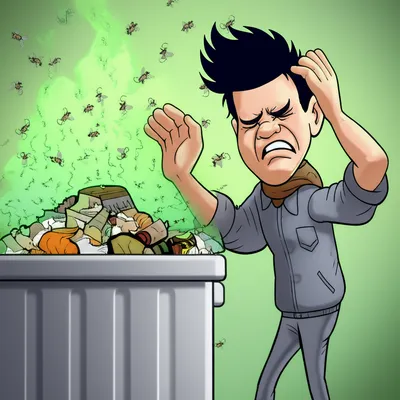
noun 다운로드 🔗공유 혐오감, 혐오, 반감 Abhorrence, a sense of loathing, intense aversion, repugnance, repulsion, horror. Examples : "Seeing the dirty, overflowing trash cans filled with spoiled food created a revulsion in her. " 썩은 음식으로 가득 찬 더럽고 넘쳐나는 쓰레기통을 보자 그녀는 혐오감을 느꼈다. emotion mind sensation AI와 채팅어휘 게임독해 연습
noun 다운로드 🔗공유 혐오감, 반감 A sudden violent feeling of disgust. Examples : "Seeing the spoiled milk in the fridge caused a revulsion in Maya; she couldn't bear the smell. " 냉장고 안의 상한 우유를 본 마야는 혐오감을 느꼈고, 냄새를 참을 수 없었다. mind sensation emotion AI와 채팅어휘 게임독해 연습
noun 다운로드 🔗공유 반발 The treatment of one diseased area by acting elsewhere; counterirritation. Examples : "The doctor suggested a revulsion therapy for her sore throat, by applying a warm compress to her neck. " 의사는 그녀의 목에 따뜻한 찜질을 함으로써, 그녀의 인후통에 대한 반발 요법을 제안했습니다. medicine physiology AI와 채팅어휘 게임독해 연습
noun 다운로드 🔗공유 혐오감, 반감 A strong pulling or drawing back; withdrawal. Examples : "Her revulsion at the spoiled milk made her gag. " 상한 우유에 대한 그녀의 혐오감은 그녀를 메스껍게 만들었다. sensation emotion mind AI와 채팅어휘 게임독해 연습
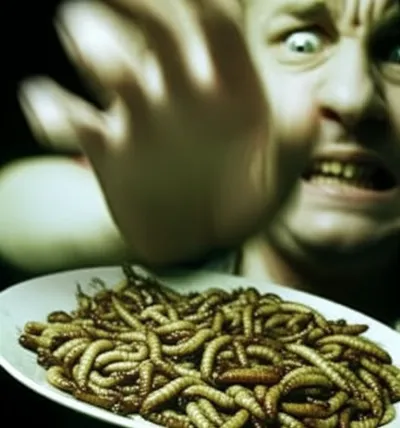
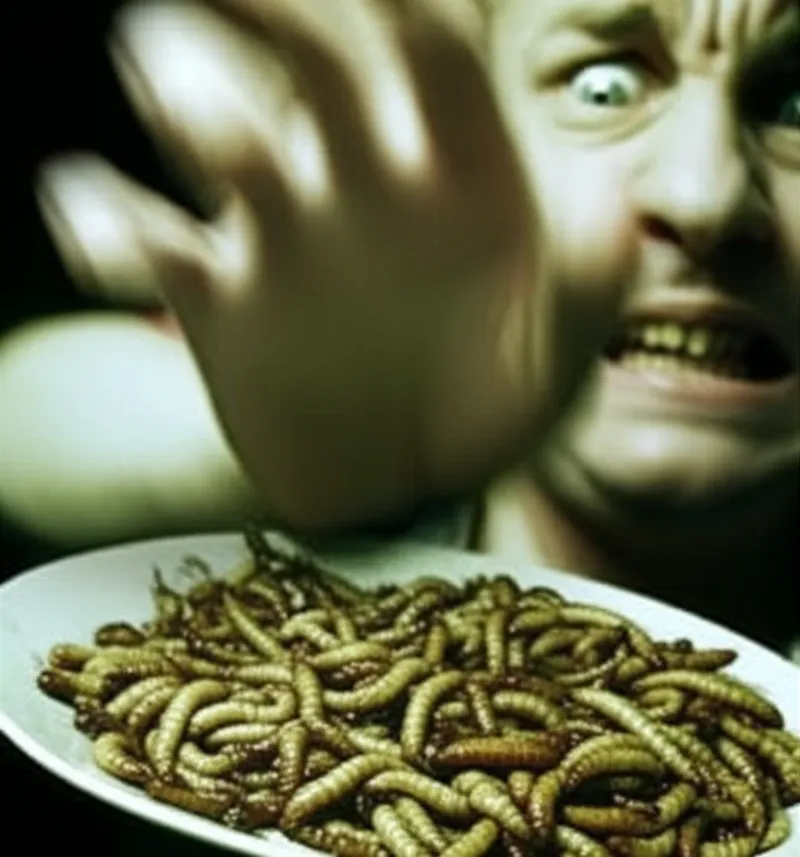
noun 다운로드 🔗공유 혐오, 반감 A sudden reaction; a sudden and complete change of the feelings. Examples : "The sight of the cockroach in her soup filled her with revulsion. " 수프 속 바퀴벌레를 보자 그녀는 혐오감을 느꼈다. emotion mind sensation AI와 채팅어휘 게임독해 연습