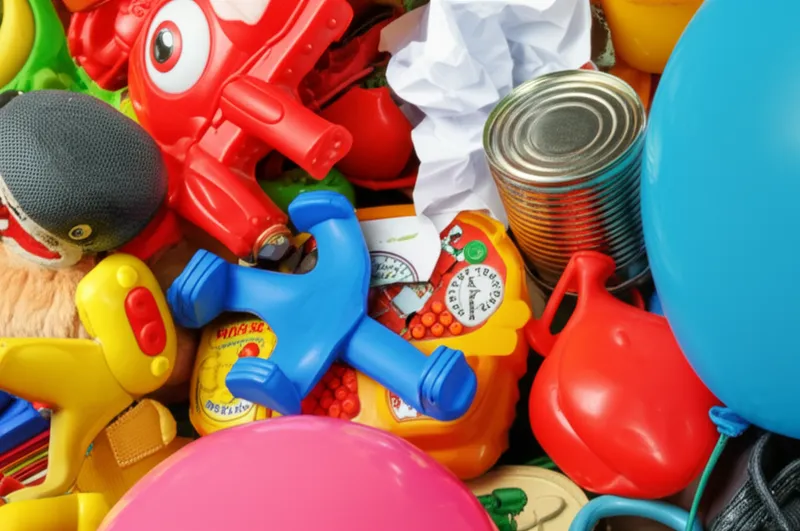

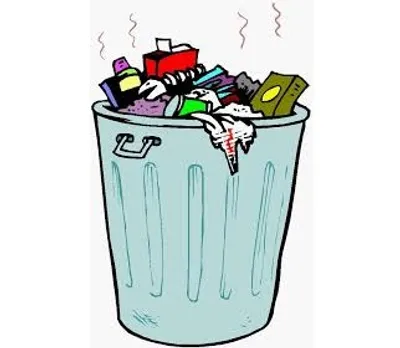






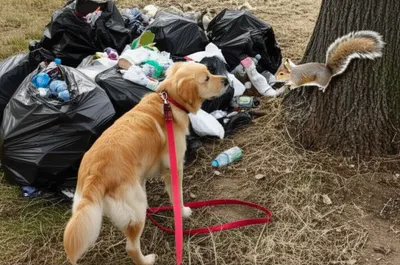
noun🔗Share쓰레기, 폐물Useless things to be discarded; rubbish; refuse."The overflowing trash can meant we needed to take out the trash before we could have visitors. "넘쳐나는 쓰레기통은 손님을 맞이하기 전에 쓰레기를 버려야 한다는 것을 의미했다.environmentitemthingChat with AIVocabulary GamePractice Reading
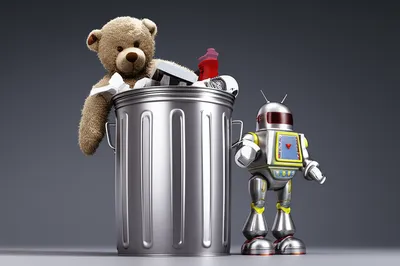
noun🔗Share쓰레기통A container into which things are discarded."My mom emptied the trash can before putting out the recycling. "엄마는 재활용품을 내놓기 전에 쓰레기통을 비웠다.utilityitemthingChat with AIVocabulary GamePractice Reading
noun🔗Share쓰레기, 폐물Something worthless or of poor quality."The old textbook was considered trash because it had many errors and was no longer useful. "오래된 교과서는 오류가 많고 더 이상 쓸모가 없어서 쓰레기로 여겨졌다.qualitythingChat with AIVocabulary GamePractice Reading
noun🔗Share쓰레기, 하류층People of low social status or class. (See, for example, white trash or Eurotrash.)"Some people in the community viewed the unemployed as trash. "지역 사회의 일부 사람들은 실업자를 하류층으로 여겼다.culturesocietypersonvalueChat with AIVocabulary GamePractice Reading
noun🔗Share광팬, 열성 팬A fan who is excessively obsessed with their fandom and its fanworks."I am Harry Potter trash."나는 해리 포터 광팬이야.cultureentertainmentinternetcommunicationmediastyleattitudepersongroupChat with AIVocabulary GamePractice Reading
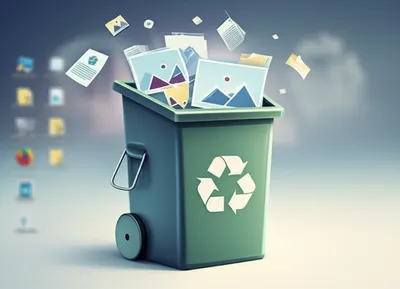
noun🔗Share휴지통Temporary storage on disk for files that the user has deleted, allowing them to be recovered if necessary."The trash on my computer holds files I accidentally deleted from my school project. "내 컴퓨터의 휴지통에는 학교 프로젝트에서 실수로 삭제한 파일이 들어 있습니다.computingtechnologyinternetutilitysystemdevicefunctiontechnicalmachineelectronicsinfoChat with AIVocabulary GamePractice Reading
noun🔗Share목줄, 가죽 끈A collar, leash, or halter used to restrain a dog in pursuing game."The hunter used a sturdy trash to keep his dog close while hunting rabbits. "사냥꾼은 토끼 사냥을 하는 동안 개를 가까이 두기 위해 튼튼한 목줄을 사용했다.animalgamesportChat with AIVocabulary GamePractice Reading
verb🔗Share버리다, 폐기하다To discard."After dinner, I trashed the empty pizza boxes. "저녁 식사 후, 나는 빈 피자 상자를 버렸다.environmentactionChat with AIVocabulary GamePractice Reading
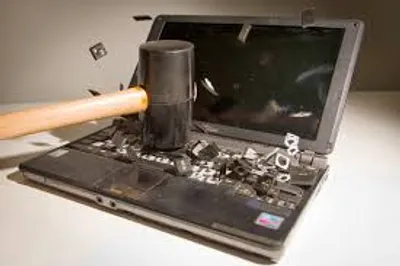
verb🔗Share엉망으로 만들다, 망치다To make into a mess."The burglars trashed the house."강도들은 집을 엉망으로 만들었다.environmentactionChat with AIVocabulary GamePractice Reading
verb🔗Share완파하다, 박살내다To beat soundly in a game."The opposing team trashed our school basketball team in the final game. "상대 팀은 결승전에서 우리 학교 농구팀을 완파했다.gamesportentertainmentChat with AIVocabulary GamePractice Reading
verb🔗Share비난하다, 헐뜯다To disrespect someone or something"My little brother trashed my carefully organized room. "내 남동생은 내가 정성껏 정리해 놓은 방을 헐뜯었다.attitudecommunicationlanguagewordChat with AIVocabulary GamePractice Reading
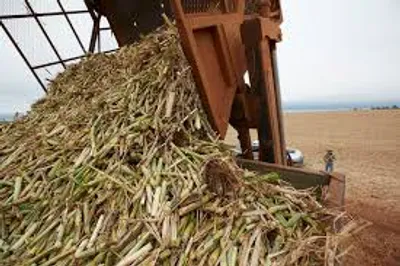
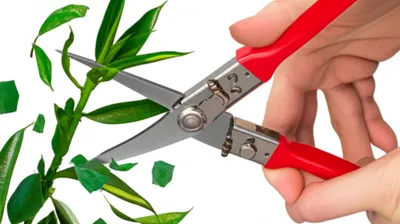
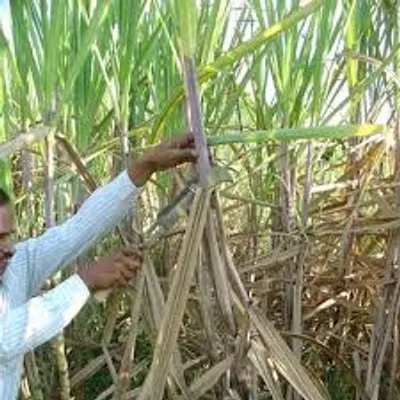
verb🔗Share쓰레기를 버리다, 제거하다To free from trash, or worthless matter; hence, to lop; to crop."to trash the rattoons of sugar cane"사탕수수 싹을 제거하다environmentagricultureactionChat with AIVocabulary GamePractice Reading
verb🔗Share쓰레기 취급하다, 멸시하다To treat as trash, or worthless matter; hence, to spurn, humiliate, or crush."The teacher trashed Maria's idea for the class project, saying it was completely impractical. "선생님은 마리아의 수업 프로젝트 아이디어를 쓰레기 취급하며 완전히 비실용적이라고 말했다.attitudeactionvalueChat with AIVocabulary GamePractice Reading
verb🔗Share방해하다, 억제하다To hold back by a trash or leash, as a dog in pursuing game; hence, to retard, encumber, or restrain; to clog; to hinder vexatiously."The heavy backpack trashed her progress on the hiking trail, slowing her down considerably. "무거운 배낭은 하이킹 길에서 그녀의 진전을 방해하여 그녀의 속도를 상당히 늦췄다.animalsportactionChat with AIVocabulary GamePractice Reading