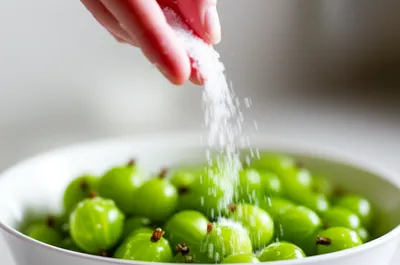
noun 다운로드 🔗공유 단맛 The basic taste sensation induced by sugar. Examples : "The children craved sweets after finishing their healthy lunch. " 아이들은 건강한 점심을 먹고 나서 단맛을 갈망했다. food sensation AI와 채팅어휘 게임독해 연습
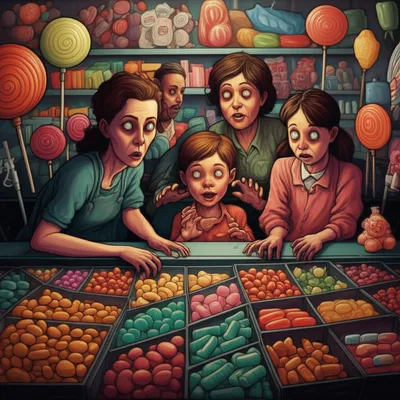
noun 다운로드 🔗공유 과자, 사탕 A confection made from sugar, or high in sugar content; a candy. Examples : "My little brother always asks for sweets after dinner. " 내 남동생은 저녁 식사 후에 항상 과자를 달라고 한다. food AI와 채팅어휘 게임독해 연습
noun 다운로드 🔗공유 과자, 디저트 A food eaten for dessert. Examples : "Can we see the sweet menu, please?" 디저트 메뉴를 볼 수 있을까요? food AI와 채팅어휘 게임독해 연습
noun 다운로드 🔗공유 애인, 자기야 Sweetheart; darling. Examples : ""Don't worry, sweets," Grandma said, patting my hand, "everything will be alright." " 할머니는 내 손을 토닥이며 "걱정 마, 자기야, 다 괜찮아질 거야."라고 말했다. person family AI와 채팅어휘 게임독해 연습
noun 다운로드 🔗공유 향수, 향기 That which is sweet or pleasant in odour; a perfume. Examples : "The sweets of the blooming jasmine filled the courtyard with a delightful fragrance. " 피어나는 재스민의 향수는 안뜰을 즐거운 향기로 채웠다. sensation AI와 채팅어휘 게임독해 연습
noun 다운로드 🔗공유 과자, 달콤함 Sweetness, delight; something pleasant to the mind or senses. Examples : "The sweets of spending time with family are often remembered fondly. " 가족과 함께 시간을 보내는 달콤함은 종종 좋게 기억된다. food sensation mind entertainment AI와 채팅어휘 게임독해 연습
verb 다운로드 🔗공유 달게 하다 To sweeten. Examples : "She likes to sweets her tea with honey instead of sugar. " 그녀는 설탕 대신 꿀로 차를 달게 하는 것을 좋아한다. food AI와 채팅어휘 게임독해 연습
noun 다운로드 🔗공유 자기야, 애인 A term of endearment; sweetheart. Examples : "I miss you, sweets." 보고 싶어, 자기야. person family character human AI와 채팅어휘 게임독해 연습
noun 다운로드 🔗공유 과자, 사탕 Confectionery, candy. Examples : "The children were excited to get sweets after dinner. " 아이들은 저녁 식사 후 사탕을 받게 되어 신이 났습니다. food entertainment AI와 채팅어휘 게임독해 연습
noun 다운로드 🔗공유 마약 Drugs Examples : "He got hooked on sweets at a young age, and now he's struggling to quit. " 그는 어린 나이에 마약에 중독되었고, 지금 끊으려고 애쓰고 있다. medicine substance AI와 채팅어휘 게임독해 연습