noun 다운로드 🔗공유 악당, 빌런 A vile, wicked person. Examples : "The school bully was a real villain, always stealing lunch money and pushing other kids around. " 학교의 불량배는 진짜 악당이었고, 항상 점심값을 훔치고 다른 아이들을 밀쳤다. character person story moral AI와 채팅어휘 게임독해 연습
noun 다운로드 🔗공유 악당, 빌런 In fiction, a character who has the role of being bad, especially antagonizing the hero. Examples : "The villain in the school play was a very mean bully. " 학교 연극의 악당은 매우 못된 불량배였다. character literature entertainment story AI와 채팅어휘 게임독해 연습
noun 다운로드 🔗공유 악당, 적 Any opponent player, especially a hypothetical player for example and didactic purposes. Compare: hero. Examples : "In our school debate, the villain argued against the proposed student council rules. " 우리 학교 토론에서 악당은 제안된 학생회 규칙에 반대하는 주장을 펼쳤다. character literature entertainment story game AI와 채팅어휘 게임독해 연습
verb 다운로드 🔗공유 비하하다, 폄하하다 To debase; to degrade. Examples : "The company's management decided to villain the honest employee by falsely accusing him of theft to avoid paying his severance package. " 회사의 경영진은 퇴직금을 지급하지 않기 위해 정직한 직원을 절도 혐의로 허위 고발하여 비하하기로 결정했다. moral character value AI와 채팅어휘 게임독해 연습
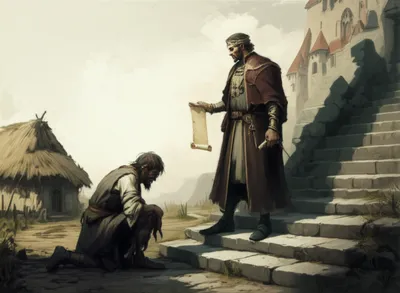
noun 다운로드 🔗공유 농노, 소작농 A feudal tenant. Examples : "The villain in the dispute over the family farm was a tenant with a long-standing claim to the land. " 가족 농장을 둘러싼 분쟁에서 농노는 토지에 대한 오랜 주장을 가진 소작농이었다. history job person society AI와 채팅어휘 게임독해 연습