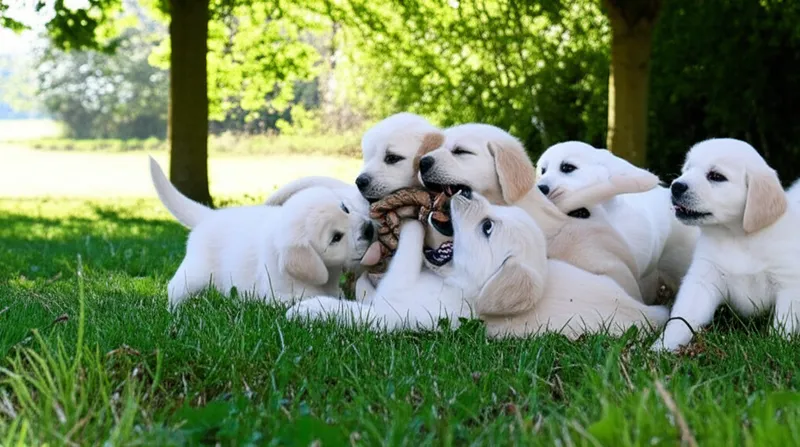
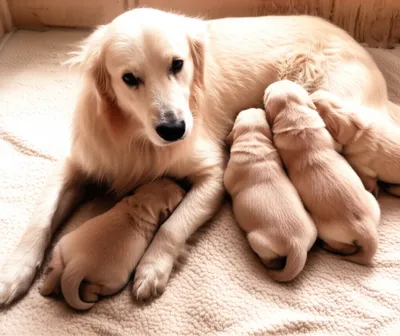
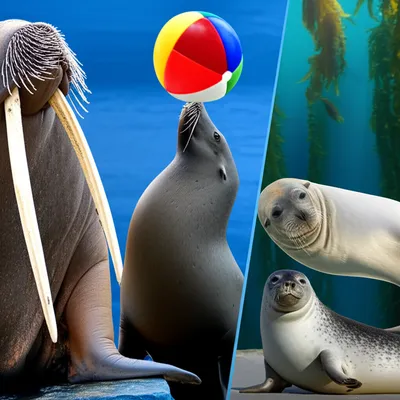
noun 다운로드 🔗공유 강아지, 새끼 A young offspring of a canid (ursid, felid, pinniped), especially of a dog or a wolf, the young of a bear or similar mammal (lion, tiger, seal); a pup, wolf cub. Examples : "The mother dog protected her whelps from the cold wind. " 어미 개는 추운 바람으로부터 강아지들을 보호했다. animal nature biology family AI와 채팅어휘 게임독해 연습
noun 다운로드 🔗공유 건방진 젊은이, 애송이 An insolent youth; a mere child. Examples : "The young whelps in the class argued constantly with the teacher. " 수업의 건방진 젊은이들은 선생님과 끊임없이 다퉜다. age character person attitude human AI와 채팅어휘 게임독해 연습
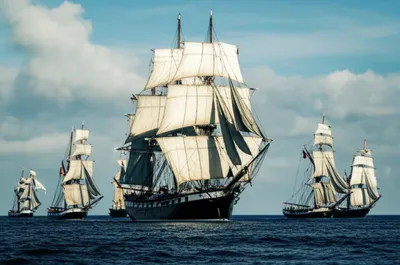
noun 다운로드 🔗공유 배의 종류 A kind of ship. Examples : "The historian described how whelps were often used for coastal trade due to their maneuverability in shallow waters. " 역사가는 배의 종류가 얕은 물에서의 기동성 때문에 해안 무역에 자주 사용되었다고 설명했다. nautical vehicle sailing AI와 채팅어휘 게임독해 연습
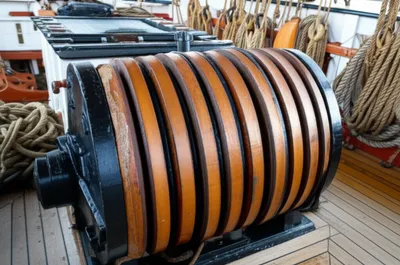
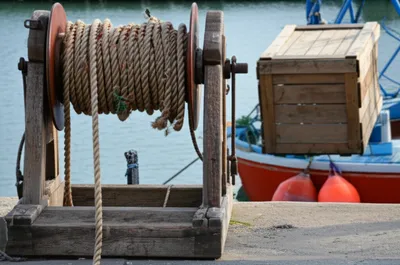
noun 다운로드 🔗공유 클리퍼 시대 배의 윈드래스 마모를 방지하는 나무 조각 One of several wooden strips to prevent wear on a windlass on a clipper-era ship. Examples : "The carpenter carefully inspected the whelps on the windlass, ensuring they were securely fastened to protect the wood from the anchor chain's constant friction. " 목수는 닻줄의 지속적인 마찰로부터 나무를 보호하기 위해 윈드래스에 있는 나무 조각들을 주의 깊게 검사하여 단단히 고정되었는지 확인했다. nautical sailing part AI와 채팅어휘 게임독해 연습
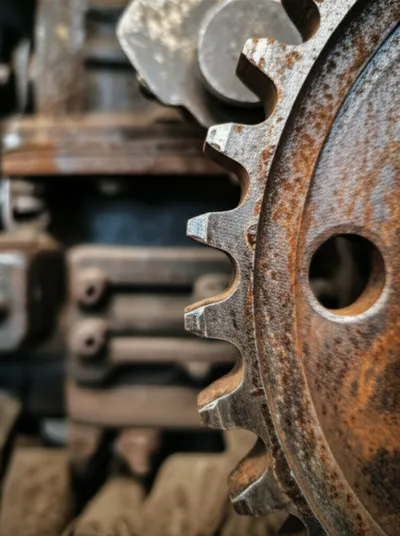
noun 다운로드 🔗공유 이빨, 톱니 A tooth on a sprocket wheel (compare sprocket and cog). Examples : "The bicycle chain kept slipping because several whelps on the rear sprocket were worn down. " 뒷 스프라켓의 여러 톱니가 닳아서 자전거 체인이 계속 미끄러졌다. machine part technical AI와 채팅어휘 게임독해 연습
verb 다운로드 🔗공유 새끼를 낳다 (of she-dog, she-wolf, vixen, etc.) To give birth. Examples : "The bitch whelped." 암캐가 새끼를 낳았다. animal biology AI와 채팅어휘 게임독해 연습