noun 下载 🔗分享 对手,敌人,反对者。 An opponent or enemy. Examples : "The school bully was the antagonist in many students' lives. " 那个校园霸凌者是很多学生生活中的死对头。 story character person literature 与AI对话词汇游戏阅读练习
noun 下载 🔗分享 对抗者,反对者 One who antagonizes or stirs. Examples : "The school's new principal was the antagonist in the teachers' union's negotiations. " 学校新来的校长在教师工会的谈判中扮演了一个对抗者的角色。 character person story 与AI对话词汇游戏阅读练习
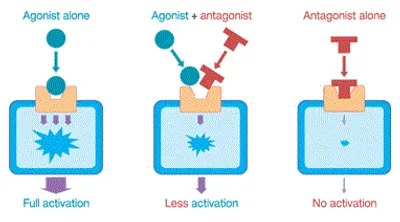
noun 下载 🔗分享 拮抗剂,对抗剂 A chemical that binds to a receptor but does not produce a physiological response, blocking the action of agonist chemicals. Examples : "2001: The calcium antagonists represent one of the top ten classes of prescription drugs in terms of commercial value, with worldwide sales of nearly $10 billion in 1999. — Leslie Iversen, Drugs: A Very Short Introduction (Oxford 2001, p. 41)" 2001年:就商业价值而言,钙拮抗剂是处方药销售额排名前十的类别之一,1999年全球销售额接近100亿美元。 medicine biochemistry physiology biology science compound 与AI对话词汇游戏阅读练习
noun 下载 🔗分享 反派,对立人物,反面角色 (authorship) The main character or force opposing the protagonist in a literary work or drama. Examples : "In the school play, the antagonist was the jealous classmate who tried to sabotage the protagonist's project. " 在学校的戏剧里,反派角色是那个嫉妒心强的同学,他试图破坏主角的项目。 literature character story 与AI对话词汇游戏阅读练习
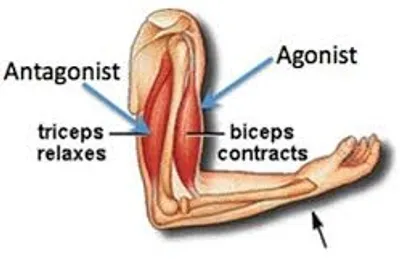
noun 下载 🔗分享 拮抗肌, 对抗肌 A muscle that acts in opposition to another. Examples : "A flexor, which bends a part, is the antagonist of an extensor, which extends it." 一个屈肌的作用是弯曲身体的某个部位,而伸肌的作用是伸展它,因此屈肌和伸肌互为拮抗肌。 physiology anatomy body 与AI对话词汇游戏阅读练习