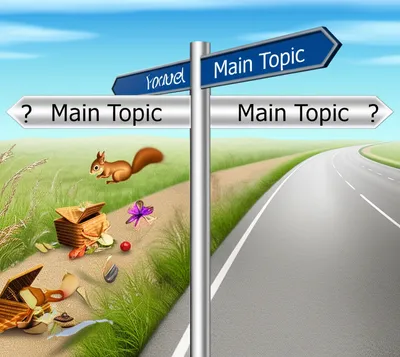
noun 下载 🔗分享 题外话,离题,跑题。 An aside, an act of straying from the main subject in speech or writing. Examples : "The professor's interesting lecture often included digressions about his travels and personal life, but they were always related to the main topic. " 那位教授的讲座很有趣,经常穿插一些关于他旅行和个人生活的题外话,但这些题外话总是和主题相关的。 communication language writing literature style 与AI对话词汇游戏阅读练习
noun 下载 🔗分享 题外话,离题,跑题 The act of straying from the main subject in speech or writing, particularly for rhetorical effect. Examples : "make digression... by way of digression..." 为了让文章更生动,我偶尔会跑题,说些题外话。 language writing communication literature 与AI对话词汇游戏阅读练习
noun 下载 🔗分享 题外话, 离题, 跑题. A deviancy, a sin or error, an act of straying from the path of righteousness or a general rule. Examples : "His constant digressions from the lesson plan made it difficult for the students to learn. " 他总是跑题,偏离教学计划,这让学生们很难学习。 moral philosophy religion theology character attitude action tendency 与AI对话词汇游戏阅读练习
noun 下载 🔗分享 题外话,离题,跑题。 A deviation, an act of straying from a path. Examples : "The teacher tried to stick to the main topic, but her lesson was full of interesting digressions about her own experiences. " 老师试图坚持讲课的主题,但她的课上充满了关于她个人经历的有趣题外话。 way action direction point tendency 与AI对话词汇游戏阅读练习
noun 下载 🔗分享 题外话,离题,跑题。 An elongation, a deflection or deviation from a mean position or expected path. Examples : "The history lecture was interesting, but the professor's constant digressions about his personal life made it hard to follow the main topic. " 历史课很有趣,但教授总是跑题,不停地说他自己的私生活,让人很难跟上主线内容。 direction way action tendency style communication literature writing 与AI对话词汇游戏阅读练习