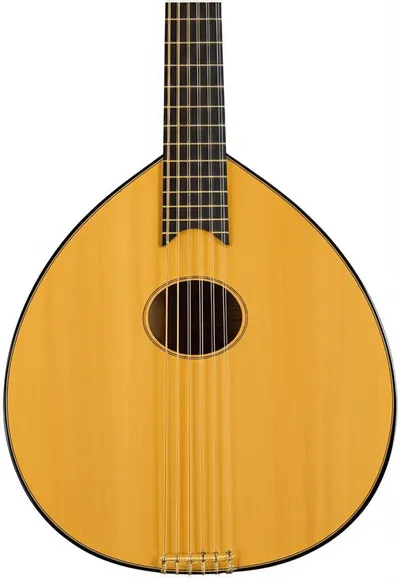
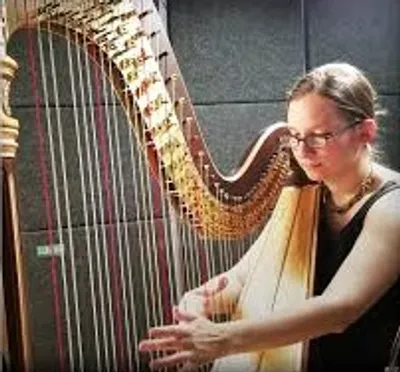
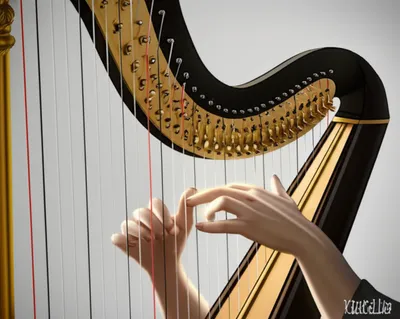
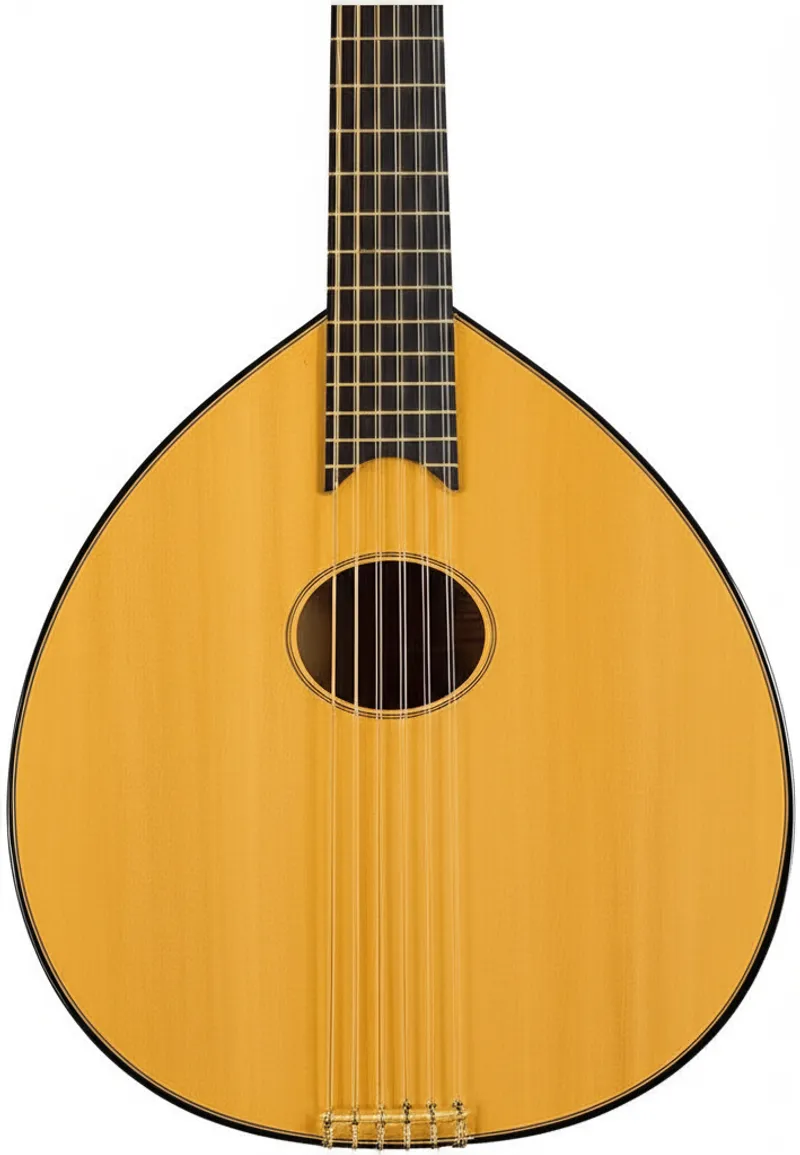
noun 下载 🔗分享 竖琴 A musical instrument consisting of a body and a curved neck, strung with strings of varying length that are stroked or plucked with the fingers and are vertical to the soundboard when viewed from the end of the body Examples : "My grandmother played the harp beautifully at the family gathering. " 我的奶奶在家庭聚会上把竖琴弹奏得非常优美动听。 music art entertainment utensil sound 与AI对话词汇游戏阅读练习
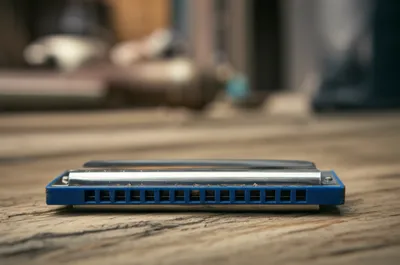
noun 下载 🔗分享 口琴,風琴。 A harmonica. Examples : "My brother plays a harp, not the stringed instrument, but the harmonica. " 我哥哥會吹口琴,不是那種弦樂器豎琴,而是口琴。 music utensil 与AI对话词汇游戏阅读练习
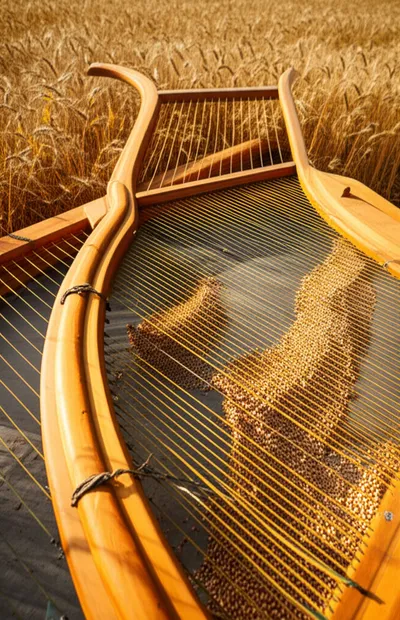
noun 下载 🔗分享 箩,簸箕 A grain sieve. Examples : "The farmer used the harp to separate the wheat from the chaff. " 农民用箩筐把麦子和麦糠分开了。 agriculture utensil 与AI对话词汇游戏阅读练习
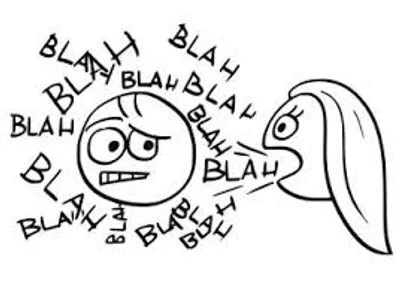
verb 下载 🔗分享 老调重弹,喋喋不休。 (usually with on) To repeatedly mention a subject. Examples : "Why do you harp on a single small mistake?" 你为什么老是揪着一个小错误不放,喋喋不休呢? communication language attitude 与AI对话词汇游戏阅读练习
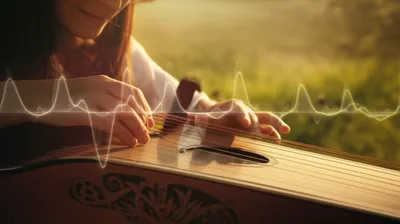
verb 下载 🔗分享 弹奏竖琴 To play on (a harp or similar instrument) Examples : "The musician will harp on the beautiful harp during the concert. " 音乐家将在音乐会上弹奏这架美丽的竖琴。 music art entertainment 与AI对话词汇游戏阅读练习
verb 下载 🔗分享 弹奏竖琴,演奏竖琴 To play (a tune) on the harp. Examples : "The musician will harp a beautiful melody at the family gathering. " 那位音乐家将在家庭聚会上弹奏一首优美的竖琴曲。 music entertainment 与AI对话词汇游戏阅读练习
verb 下载 🔗分享 弹奏,反复强调,抓住不放。 To develop or give expression to by skill and art; to sound forth as from a harp; to hit upon. Examples : "The musician expertly harped on the importance of practice for improving their skills. " 那位音乐家熟练地反复强调练习对于提高技能的重要性。 music art language literature 与AI对话词汇游戏阅读练习