

infinitive
Meanings

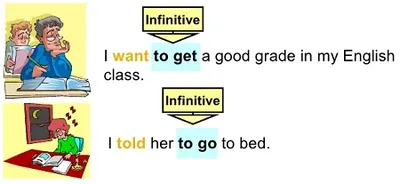

动词不定式,原形动词
Examples :



Related Words
dictionary noun
/ˈdɪkʃəˌnɛɹi/ /ˈdɪkʃ(ə)n(ə)ɹi/
词典,字典
"To understand the word "optimistic," I looked it up in the dictionary. "
为了理解“optimistic”这个词的意思,我查了词典。




grammatical adjective
/ɡɹəˈmætɪkəl/
语法正确的,合乎语法的.
"Your writing is not grammatical enough for publication."
你的文章语法不够规范,还达不到发表的标准。

inflection noun
/ɪnˈflɛkʃən/
词形变化, 变格, 词尾变化

possibilities noun
/ˌpɒsɪˈbɪlitiz/ /ˌpɑsɪˈbɪlitiz/
可能性,可能,Potentiality.



constructing verb
/kənˈstrʌktɪŋ/ /kənˈstrʌktɪn/
建造,构建。

subordinate noun
/səˈbɔːrdənət/ /ˈsɔːbɔːrdənət/
下属,部下。
"The subordinate in the student council is responsible for organizing the school dances. "
学生会的下属负责组织学校舞会。

graduation noun
/ˌɡɹædʒuˈeɪʃən/
毕业,毕业典礼.
"After years of hard work, Maria's graduation from university was a joyful celebration. "
经过多年的努力,玛丽亚从大学毕业并拿到毕业证,这真是一场令人高兴的庆祝。