pronoun 下载 🔗分享 我们 (personal) The speakers/writers, or the speaker/writer and at least one other person (not the person being addressed). (This is the exclusive we.) Examples : "We are going to the park after school today. " 我们今天放学后要去公园。(但不包括你。) grammar language word essential 与AI对话词汇游戏阅读练习
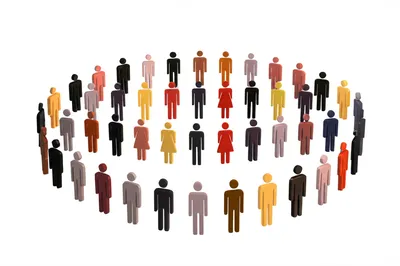
pronoun 下载 🔗分享 我们,咱们。 (personal) The speaker(s)/writer(s) and the person(s) being addressed. (This is the inclusive we.) Examples : "We are going to the park after school today. " 咱们今天放学后一起去公园吧。 language grammar word communication person essential 与AI对话词汇游戏阅读练习
pronoun 下载 🔗分享 笔者,朕 (personal) The speaker/writer alone. (This use of we is the editorial we, used by writers and others, including royalty—the royal we—as a less personal substitute for I. The reflexive case of this sense of we is ourself.) Examples : "We believe that students should be given more opportunities to learn about different cultures. " 笔者认为,学生应该有更多机会去了解不同的文化。 grammar language writing literature word essential 与AI对话词汇游戏阅读练习
pronoun 下载 🔗分享 我们,咱们 (personal) The plural form of you, including everyone being addressed. Examples : "How are we all tonight?" 咱们今天晚上都怎么样? grammar language essential 与AI对话词汇游戏阅读练习
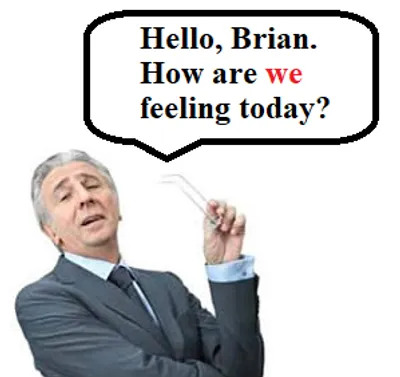
pronoun 下载 🔗分享 我们 (wǒmen), 咱 (zán) (personal, often considered patronising) A second- or third-person pronoun for a person in the speaker's care. Examples : "How are we feeling this morning?" 今天早上感觉怎么样啊? (Jīntiān zǎoshang gǎnjué zěnme yàng a?) language linguistics essential 与AI对话词汇游戏阅读练习