noun 下载 🔗分享 自我,自身。 One individual's personality, character, demeanor, or disposition. Examples : "The teacher praised the student for their strong sense of self. " 老师表扬了那个学生,因为他/她很有自己的个性。 character mind person being soul philosophy 与AI对话词汇游戏阅读练习
noun 下载 🔗分享 自身,自我。 The subject of one's own experience of phenomena: perception, emotions, thoughts. Examples : "After a long day of helping others, the nurses finally had time to focus on their own selves and process their emotions. " 在帮助他人忙碌了一整天后,护士们终于有时间关注自身,并处理自己的情绪了。 mind philosophy soul being person human 与AI对话词汇游戏阅读练习
noun 下载 🔗分享 自我,自身。 An individual person as the object of his own reflective consciousness (plural selves). Examples : "Each student struggled to understand their own selves, sometimes confusing their own needs with the needs of others. " 每个学生都在努力理解他们自己的自我,有时会将自己的需求与他人的需求混淆。 mind philosophy person human being soul character 与AI对话词汇游戏阅读练习
noun 下载 🔗分享 自身利益,私利 Self-interest or personal advantage. Examples : "The students focused on their own selves, neglecting the group project. " 学生们只顾自身利益,忽略了小组项目。 philosophy mind character value 与AI对话词汇游戏阅读练习
noun 下载 🔗分享 自我,自身。 Identity or personality. Examples : "My younger sister's strong sense of self is evident in her confident presentations at school. " 我妹妹在学校做报告时充满自信,充分展现了她强大的自我意识。 mind person philosophy soul character being 与AI对话词汇游戏阅读练习
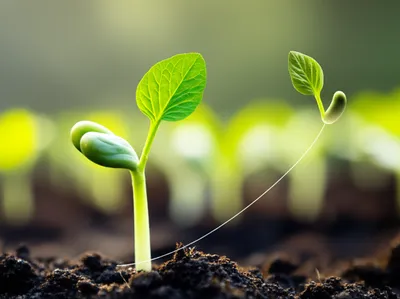
noun 下载 🔗分享 自交苗 A seedling produced by self-pollination (plural selfs). Examples : "The plant breeder carefully separated the selves (seedlings from self-pollination) from the hybrid seedlings to study the effects of inbreeding. " 植物育种家小心地将自交苗与杂交苗分开,以研究近亲繁殖的影响。 agriculture plant biology seed 与AI对话词汇游戏阅读练习
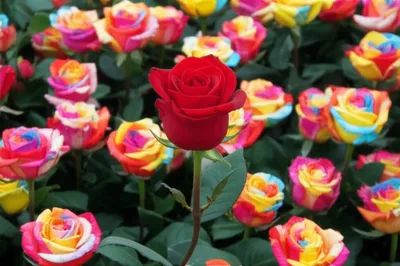
noun 下载 🔗分享 单色花 A flower having its colour uniform as opposed to variegated. Examples : "The roses in the garden all had a uniform, a single shade of red; they were selfs. " 花园里的玫瑰花都是统一的单色红色,它们是单色花。 color plant nature biology 与AI对话词汇游戏阅读练习
noun 下载 🔗分享 自身,自体。 Any molecule, cell, or tissue of an organism's own (belonging to the self), as opposed to a foreign (nonself) molecule, cell, or tissue (for example, infective, allogenic, or xenogenic). Examples : "The immune system learns to distinguish between the body's own selves and foreign invaders like bacteria. " 免疫系统会学习区分身体自身的细胞和分子与像细菌这样的外来入侵者。 organism physiology medicine anatomy biology biochemistry 与AI对话词汇游戏阅读练习