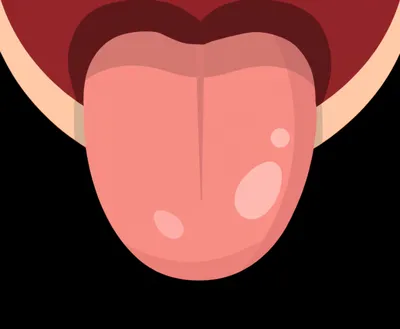
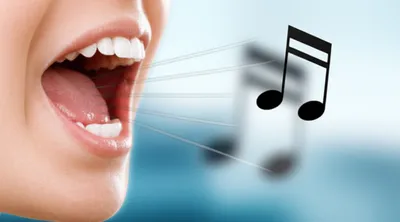
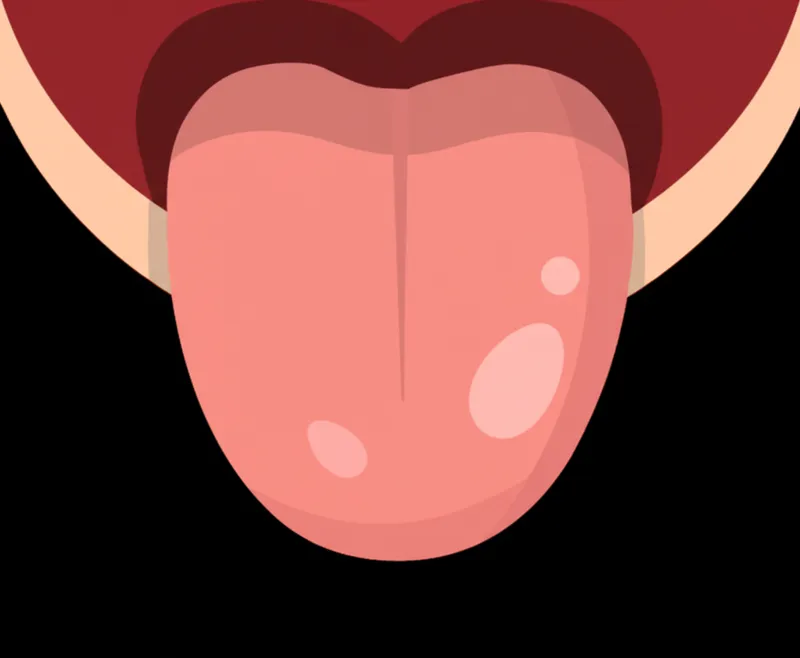
noun Descargar 🔗Compartir Una consonante alveolar An alveolar consonant Examples : ""In English, 't' and 'd' are alveolar sounds because the tongue touches the alveolar ridge behind the upper teeth to pronounce them." " En inglés, 't' y 'd' son sonidos alveolares porque la lengua toca la cresta alveolar detrás de los dientes superiores para pronunciarlos. phonetics language linguistics Chat con IAJuego de vocabularioPracticar lectura
adjective Descargar 🔗Compartir Alveolar Of or relating to an alveolus. Examples : "The doctor examined the patient's alveolar sacs to check for any damage. " El médico examinó los sacos alveolares del paciente para verificar si había algún daño. anatomy physiology medicine biology Chat con IAJuego de vocabularioPracticar lectura
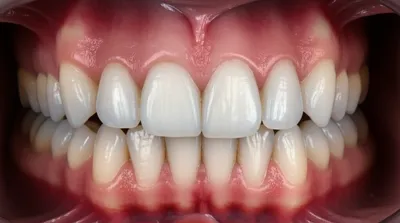
adjective Descargar 🔗Compartir Alveolar, relativo a la cresta alveolar Relating to the jaw ridge containing the tooth sockets. Examples : "The dentist examined the patient's alveolar bone to check for bone loss around the teeth. " El dentista examinó el hueso alveolar del paciente para verificar la pérdida ósea alrededor de los dientes. anatomy physiology medicine biology organ linguistics phonetics Chat con IAJuego de vocabularioPracticar lectura
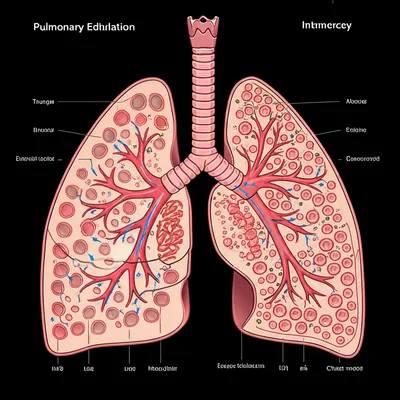
adjective Descargar 🔗Compartir Relativo a los alvéolos pulmonares Relating to the alveoli (small air sacs) of the lungs. Examples : "The doctor explained that the patient's alveolar sacs were inflamed, making breathing difficult. " El médico explicó que los sacos alveolares del paciente estaban inflamados, lo que dificultaba la respiración. anatomy physiology medicine biology organ body Chat con IAJuego de vocabularioPracticar lectura
adjective Descargar 🔗Compartir Alveolar Formed with the tongue touching or approaching the inner ridge of the gums of the upper front teeth. Examples : "When pronouncing the sounds "t" and "d," your tongue makes an alveolar contact just behind your upper teeth. " Al pronunciar los sonidos "t" y "d", tu lengua hace contacto alveolar justo detrás de tus dientes superiores. phonetics language linguistics Chat con IAJuego de vocabularioPracticar lectura