没入型のビジュアルとAIで語彙をマスター
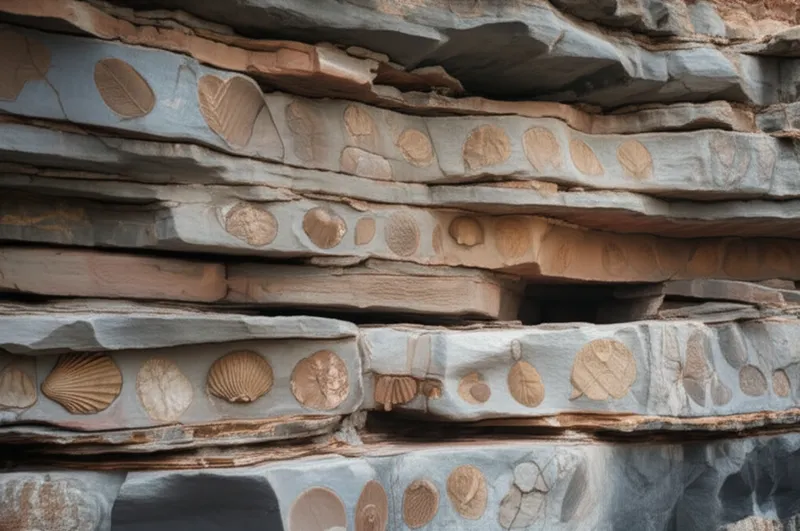
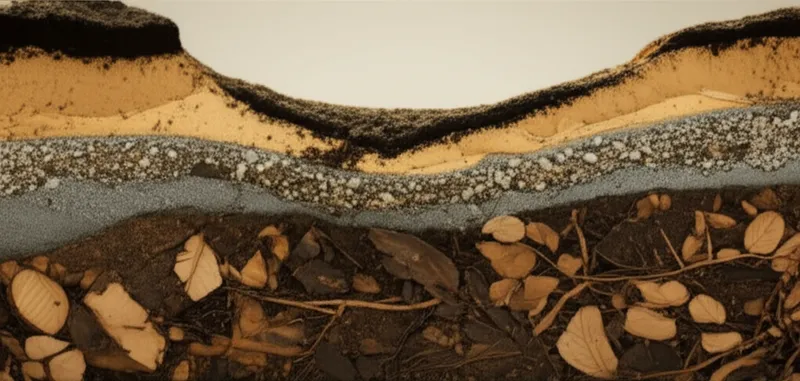
時間の経過に伴う環境変化の記録とみなされる、物質の自然堆積物
"soil archive; peat archive"
土壌アーカイブ; 泥炭アーカイブ
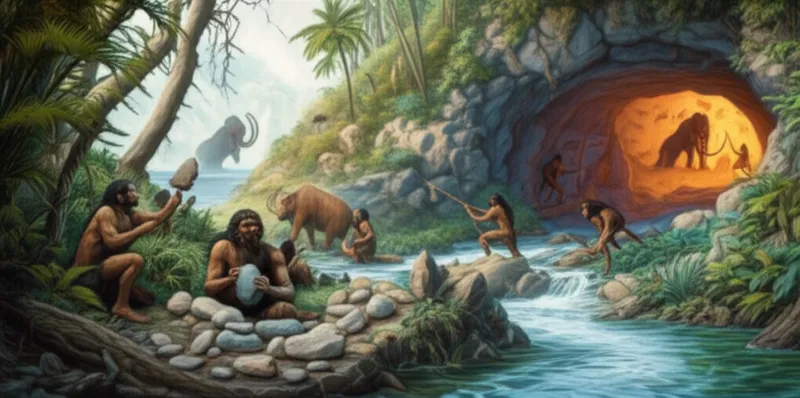
先史時代
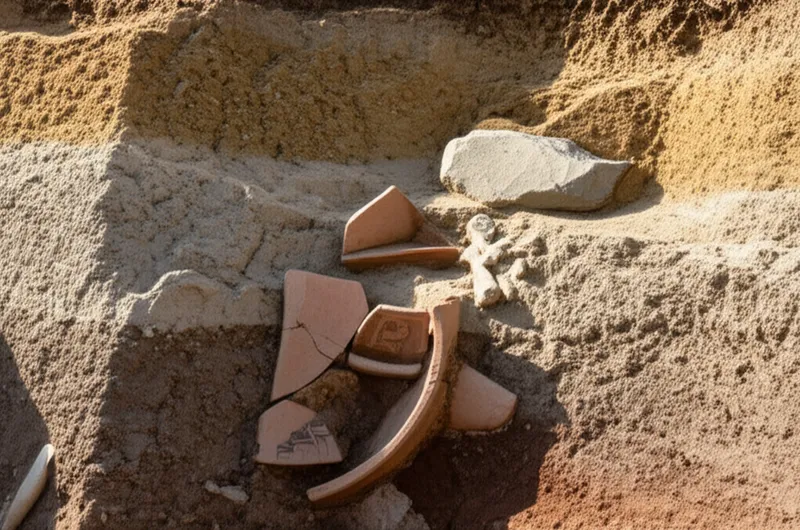
"Archaeologists study tools and bones to learn about life in prehistory. "
考古学者は先史時代の生活について学ぶために、道具や骨を研究します。
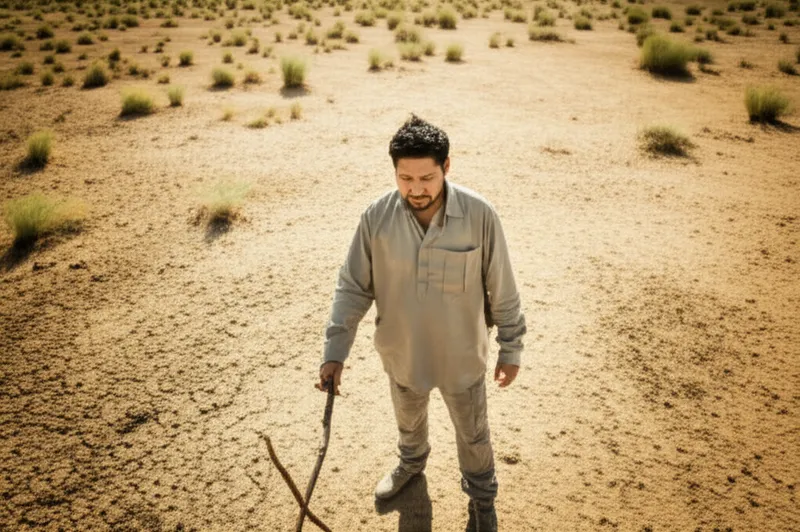
占う, 探知する
"The farmer decided to dowse for water before digging a new well on his property. "
農夫は自分の土地に新しい井戸を掘る前に、水を探すために占うことにした。
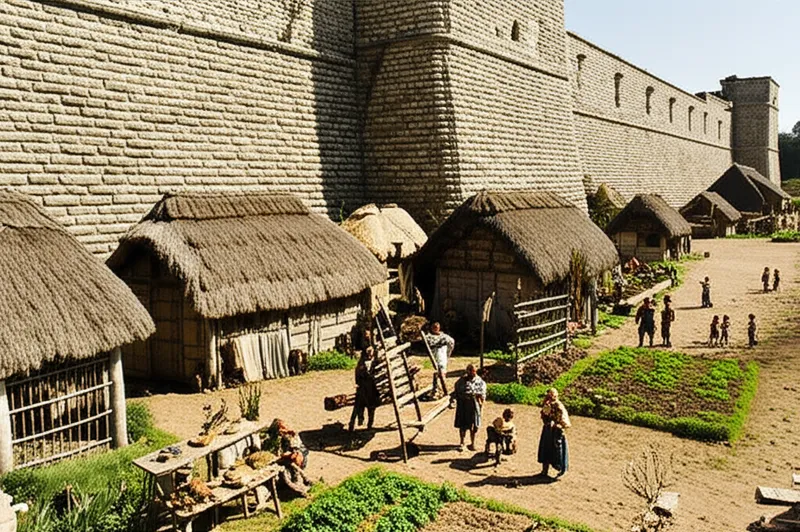
ローマの砦の外の小さな民間入植地
"The archaeologist carefully excavated the vici outside the Roman fort, hoping to uncover everyday objects from the lives of the soldiers' families and local traders who lived there. "
考古学者は、そこに住んでいた兵士の家族や地元の商人の生活から日用品を発見しようと、ローマの砦の外にある小さな民間入植地を注意深く発掘しました。
古土壌
"While digging the foundation for the new school building, construction workers discovered paleosols, ancient soils that provided clues about the area's past environment before the current topsoil existed. "
新しい校舎の基礎を掘削中、建設作業員は古土壌を発見しました。これは、現在の表土が存在する前の地域の過去の環境に関する手がかりを提供する古代の土壌でした。
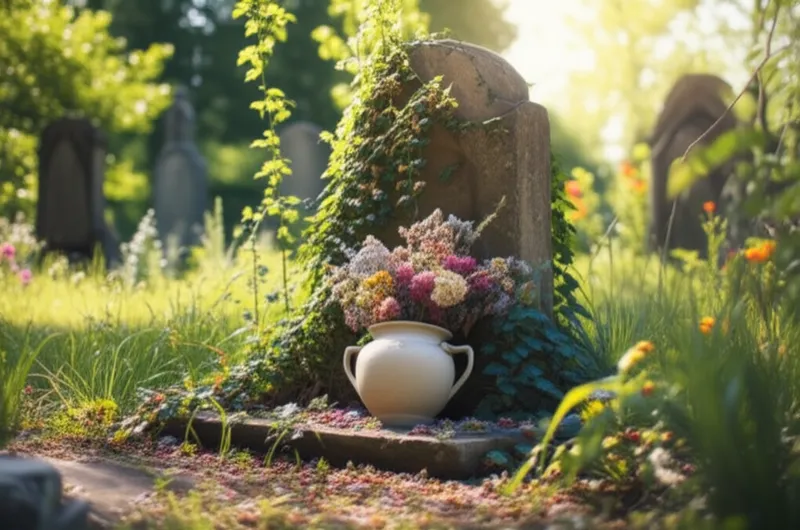
墓, 墓地
"After a long life, she found her final rest in the family urn, next to her beloved husband. "
長い人生の後、彼女は最愛の夫の隣の家族の墓で永遠の安らぎを見つけました。
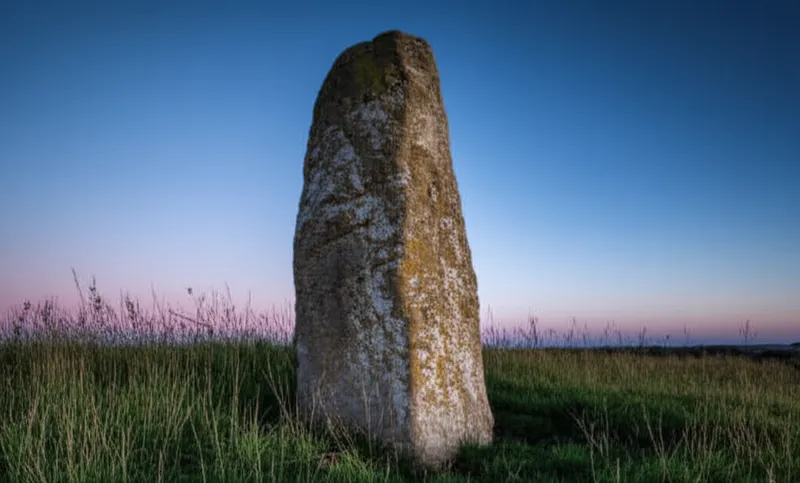
石碑, オベリスク
"The ancient city was filled with stelae, each one marking the burial place of a respected citizen. "
古代都市は石碑で満たされ、それぞれが尊敬される市民の埋葬場所を示していました。
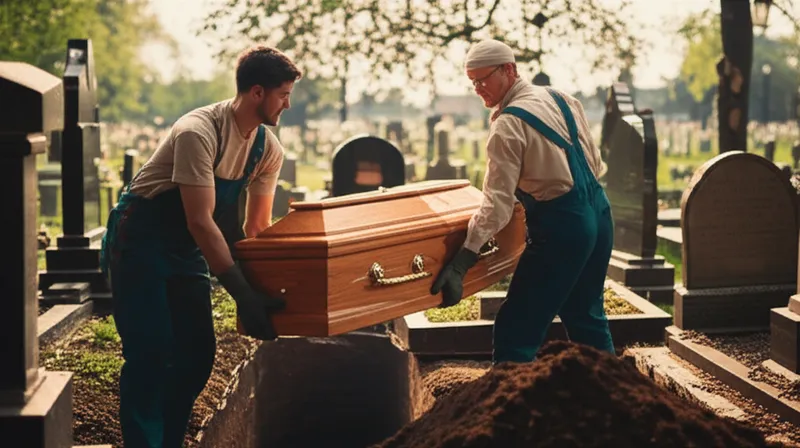
再埋葬する
"After the old cemetery flooded, the town decided to reinter the bodies in a new, safer location. "
古い墓地が浸水した後、町は遺体を新しくより安全な場所に再埋葬することを決定しました。
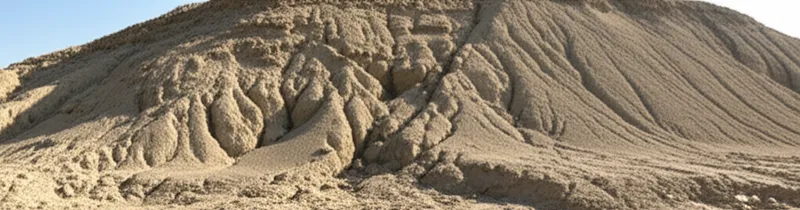
テル、丘
"The archaeologists carefully studied the tell, hoping to learn more about the ancient city buried beneath it. "
考古学者は、その下に埋もれた古代都市についてもっと知りたいと願い、テルを注意深く調査した。
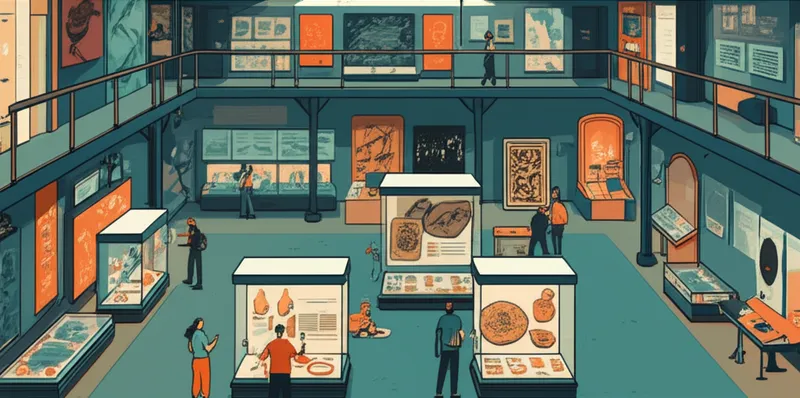
博物館
"The local museum has an excellent exhibit on ancient Egyptian artifacts. "
地元の博物館には、古代エジプトの遺物に関する素晴らしい展示があります。
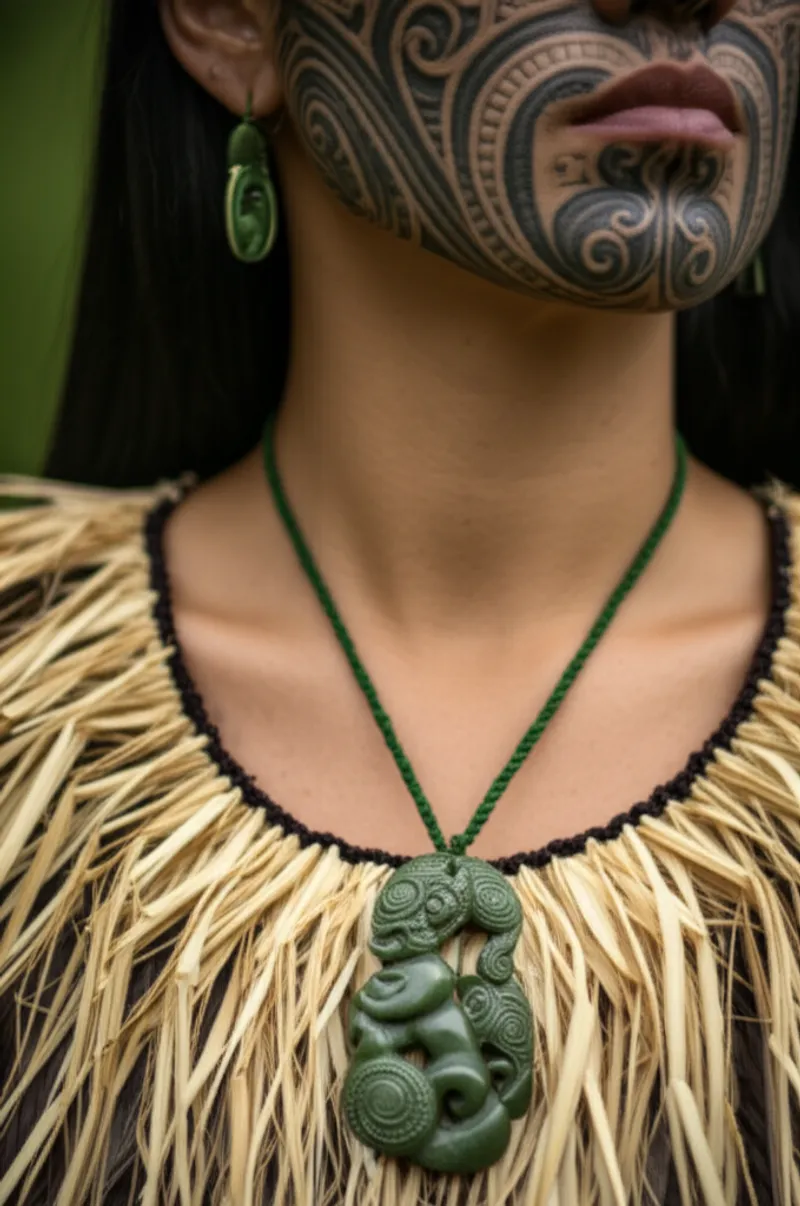
マオリ族の間で見られる、首に掛けて身につける装飾用のグリーンストーンのペンダント
"The grandmother carefully placed the hei-tiki around her grandson's neck. "
祖母は孫の首にヘイティキを丁寧にかけた。
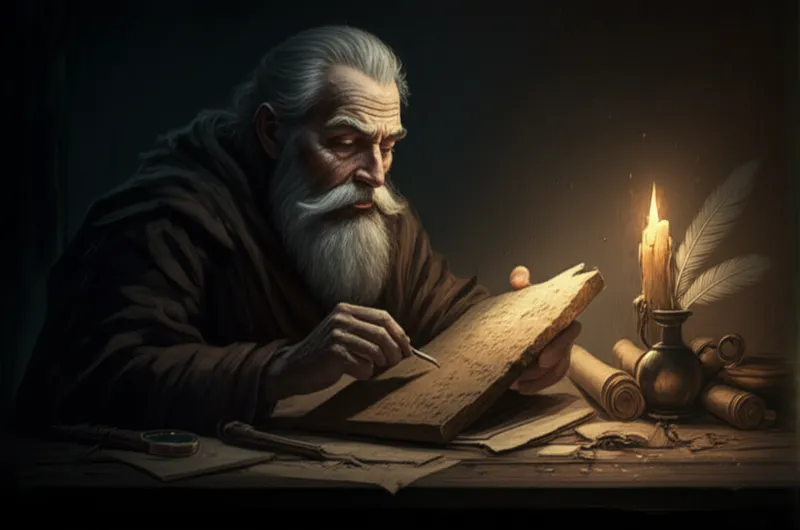
古文書学
"The historian used paleography to decipher the faded letters on the old manuscript. "
歴史家は、古い写本の薄れた文字を解読するために古文書学を使用した。
母材、基質
"The archaeologists carefully studied the matrixes of the ancient burial site to understand how the skeletons were positioned. "
考古学者は、古代の埋葬地の母材を注意深く調査し、骸骨がどのように配置されていたかを理解しました。
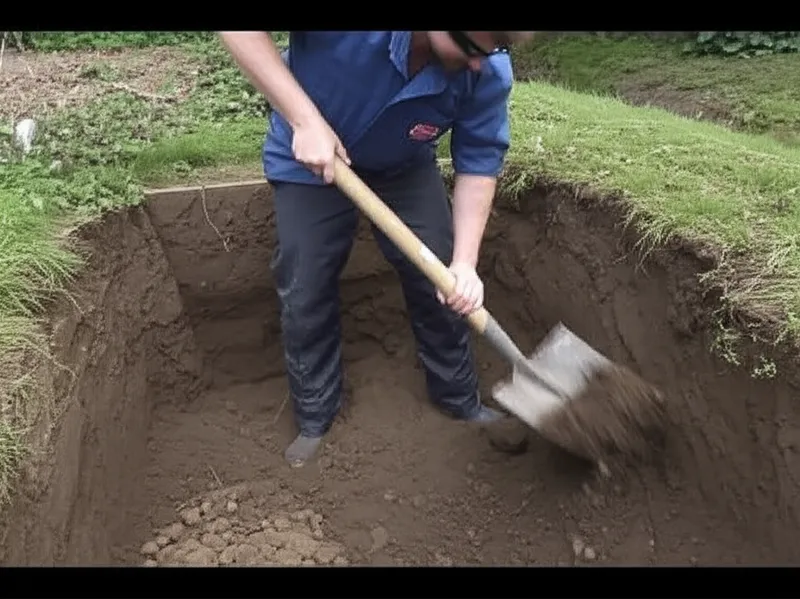
掘る
"The children graven in the sandbox, happily digging for buried treasure. "
子供たちは砂場で、埋められた宝物を求めて楽しそうに掘っていました。
サーベルタイガー
"The tar pits trapped many animals, including mammoths and sabertooths. "
タールピットには、マンモスやサーベルタイガーなど、多くの動物が閉じ込められました。
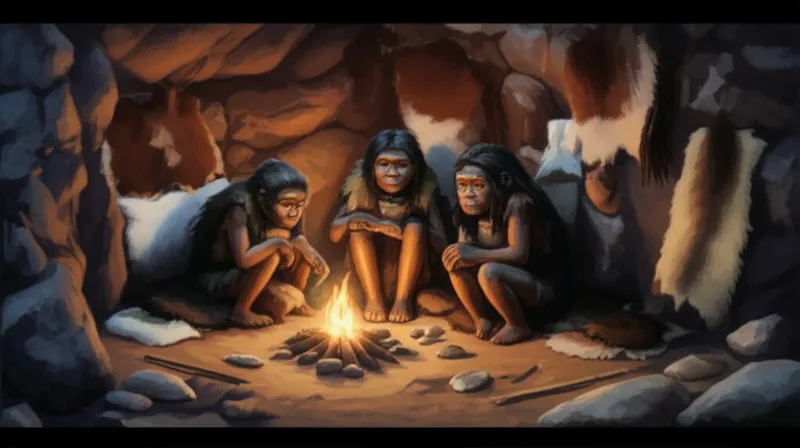
洞窟人
"The political cartoon showed the politician as a caveman, clubbing the budget depicted as a mammoth."
政治風刺漫画は、政治家を洞窟人として描き、マンモスとして描かれた予算を棍棒で殴っている様子を描いた。
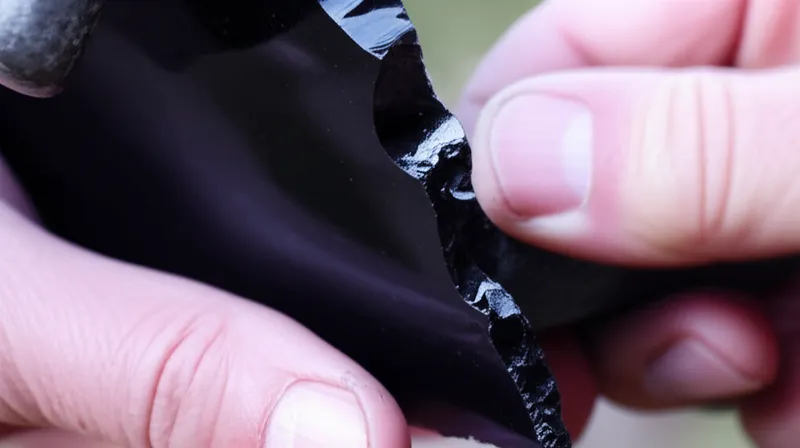
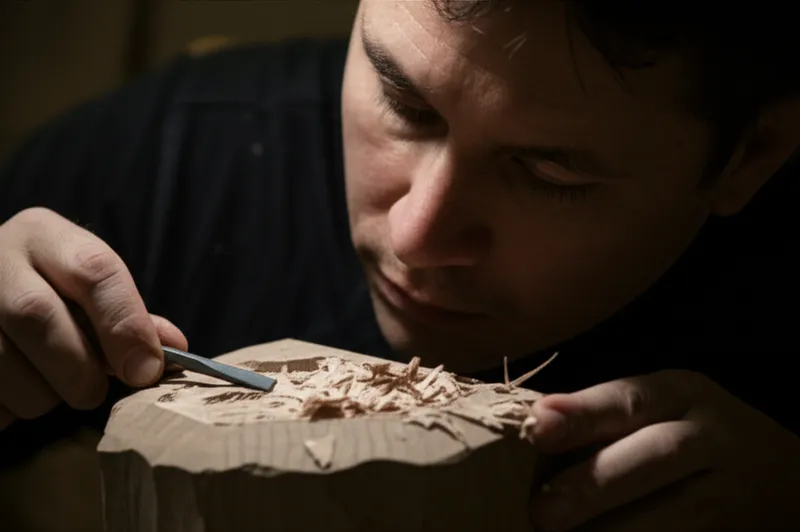
削る、成形する
"The archaeologist learned to knap flint into sharp tools, just like people did thousands of years ago. "
考古学者は、何千年か前の人々のように、鋭利な道具にフリントを削ることを学びました。
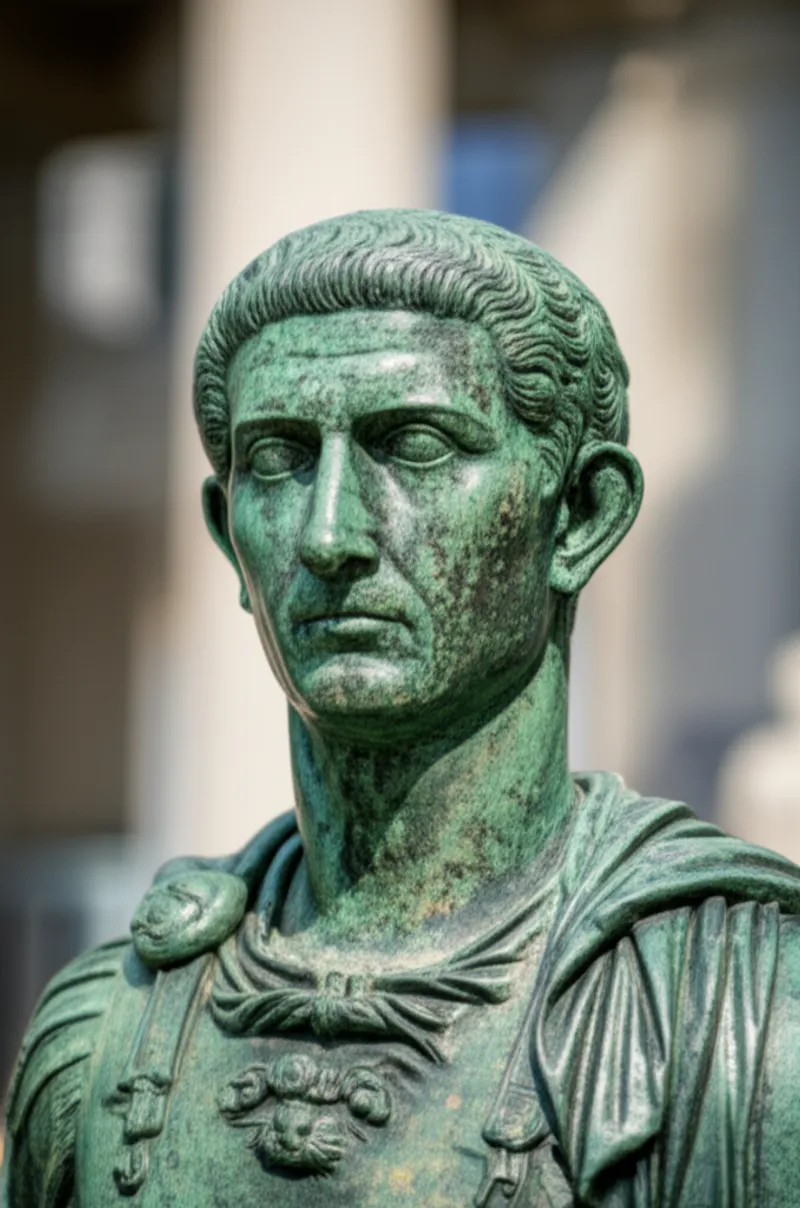
緑青、パティナ
"The old bronze statue in the park had a beautiful green patina from years of rain and air. "
公園にある古いブロンズ像は、長年の雨と空気によって美しい緑青を帯びていた。
"The dog was happily graving in the backyard, hoping to unearth a bone. "
犬は骨を掘り出そうと、嬉しそうに裏庭を掘っていました。
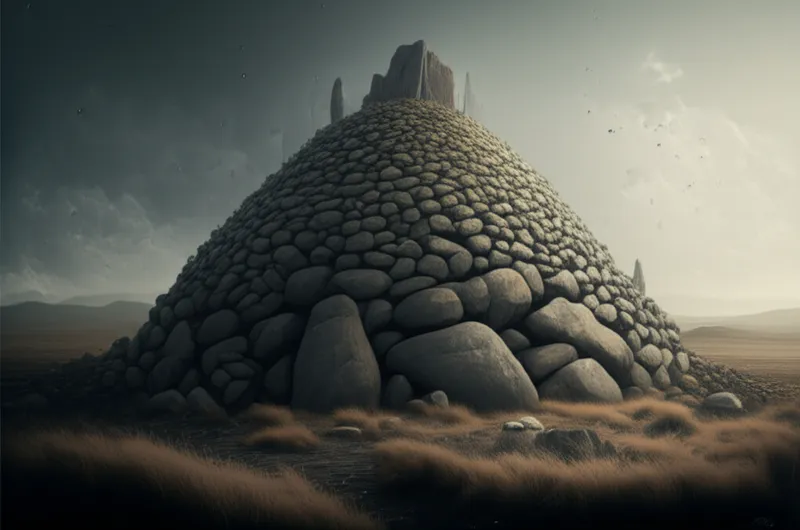
石塚
"The ancient burial law was a large mound of stones. "
古代の埋葬石塚は大きな石塚でした。