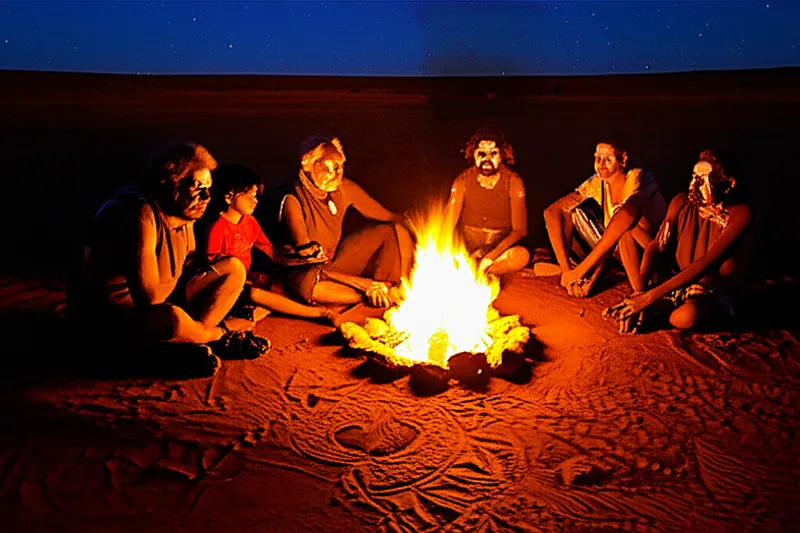

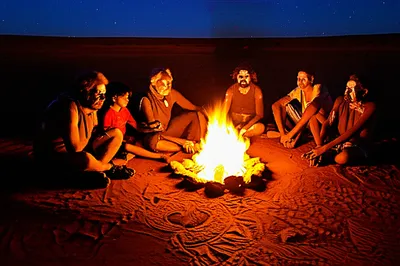
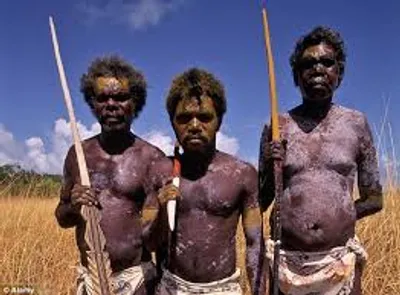
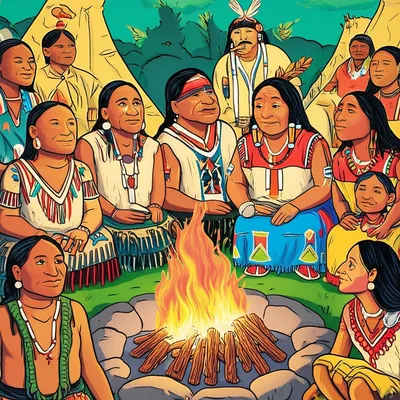
noun🔗Share先住民A native inhabitant of a country; a member of the original people."In Australia, the term "aborigines" refers to the original inhabitants of the continent. "オーストラリアでは、「アボリジニ」という言葉は、その大陸の先住民を指します。racehistoryculturenationpersonChat with AIVocabulary GamePractice Reading
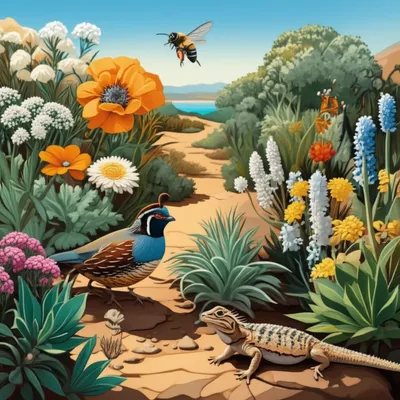
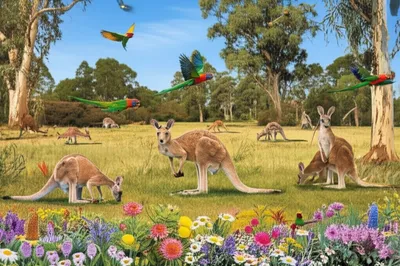
noun🔗Shareアボリジニ, 先住民(in the plural) The native flora and fauna of an area."The invasive weeds threatened the aborigines of the meadow, potentially displacing the native wildflowers. "侵入性の雑草は牧草地の先住民を脅かし、在来の野草を潜在的に駆逐する可能性があった。environmentbiologyanimalplantnatureraceplaceecologyhistoryChat with AIVocabulary GamePractice Reading
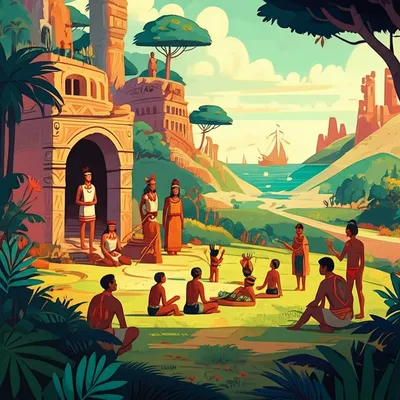
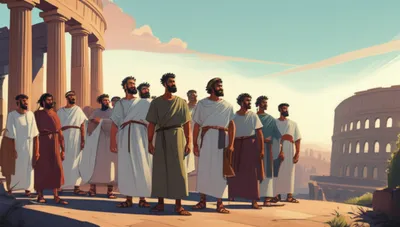
noun🔗Share先住民The original people of a location, originally Greek and Roman."The Roman historians wrote extensively about the aborigines of Italy, describing their customs and struggles against the expanding Roman power. "ローマの歴史家たちは、イタリアの先住民について詳しく書き、彼らの習慣や拡大するローマの力に対する闘いを記述しました。historyculturepersonracenationChat with AIVocabulary GamePractice Reading
noun🔗Share先住民Indigenous flora and fauna."The park is home to many different species of aborigines, including colorful birds and unique insects. "公園には、色とりどりの鳥やユニークな昆虫など、さまざまな種類の先住民が生息しています。environmentbiologyecologynatureworldChat with AIVocabulary GamePractice Reading
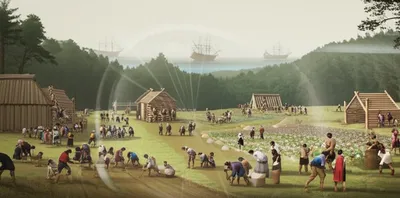
noun🔗Share先住民(history) The inhabitants of a location before colonization by the Europeans occurred."The history class learned about how the British settlers interacted with the aborigines of Australia. "歴史の授業では、イギリス人入植者がオーストラリアの先住民とどのように交流したかについて学びました。historypersongroupracenationcultureChat with AIVocabulary GamePractice Reading