




noun🔗Share先住民An aboriginal inhabitant of a region colonized by English-speaking people; in particular:"The native student explained the customs of her home village to the class. "先住民の生徒は、故郷の村の習慣をクラスに説明しました。personracenationhistorycultureessentialChat with AIVocabulary GamePractice Reading
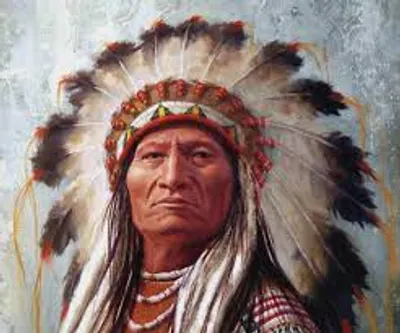
adjective🔗Share先住民Aboriginal inhabitant of a region colonized by English-speaking people; in particular:"The school's new student council president is a native of this town. "学校の新しい生徒会会長は、この町の先住民です。racehistorynationculturesocietypersonessentialChat with AIVocabulary GamePractice Reading
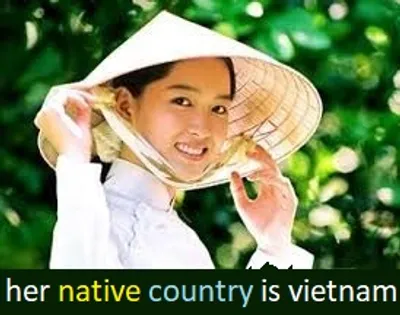
noun🔗Shareネイティブ, 原住民A person who is native to a place; a person who was born in a place."My neighbor, a native of France, often talks about her childhood experiences in Paris. "フランス出身の私の隣人は、パリでの子供時代の経験についてよく話します。personplacehistorynationessentialChat with AIVocabulary GamePractice Reading
noun🔗Shareネイティブスピーカー, 母語話者A native speaker."The native of the town gave a presentation about local history at school. "その町の母語話者が、学校で地元の歴史についてプレゼンテーションを行った。languagepersoncultureessentialChat with AIVocabulary GamePractice Reading
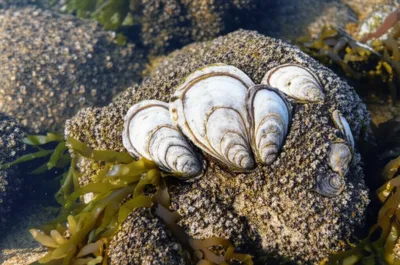
noun🔗ShareカキOstrea edulis, a kind of oyster."The restaurant's special dish featured fresh native oysters. "レストランの特別料理は新鮮なカキが特徴でした。foodanimalbiologyorganismfishessentialChat with AIVocabulary GamePractice Reading
adjective🔗Share生まれつきの, 生まれのBelonging to one by birth."English is not my native language."英語は私の母国語ではありません。familypersonnaturecultureracelanguagehistorynationessentialChat with AIVocabulary GamePractice Reading
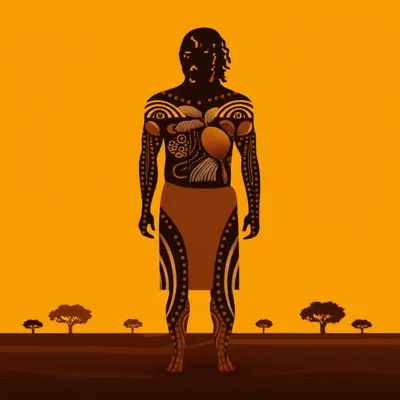
adjective🔗Share先住民の、原産のCharacteristic of or relating to people inhabiting a region from prehistoric times."The native peoples of Australia are called aborigines."オーストラリアの先住民はアボリジニと呼ばれています。historycultureracenationgeographyplacesocietytraditionhumanessentialChat with AIVocabulary GamePractice Reading
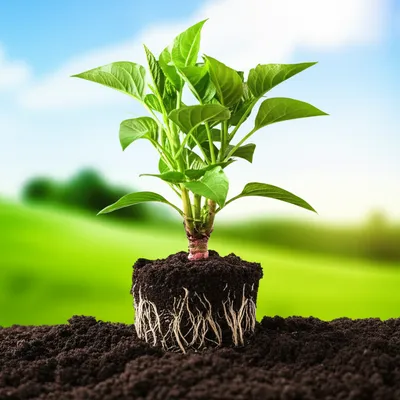
adjective🔗Share原産の, 生まれつきのBorn or grown in the region in which it lives or is found; not foreign or imported."Many native artists studied abroad."多くの原産の芸術家が海外で学びました。naturebiologyenvironmentplacepersonorganismessentialChat with AIVocabulary GamePractice Reading
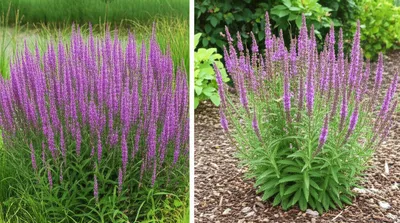
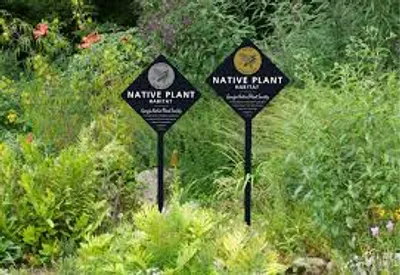
adjective🔗Share自生の, 原産の(of a species) Which occurs of its own accord in a given locality, to be contrasted with a species introduced by man."The naturalized Norway maple often outcompetes the native North American sugar maple."帰化したノルウェーカエデは、自生の北米産シュガーメープルよりも競争力が高いことが多い。environmentbiologynatureecologyplantanimalessentialChat with AIVocabulary GamePractice Reading
adjective🔗Shareネイティブの、そのシステム固有の(of software) Pertaining to the system or architecture in question."The native integer size is sixteen bits."ネイティブの整数サイズは16ビットです。computingtechnologysystemessentialChat with AIVocabulary GamePractice Reading
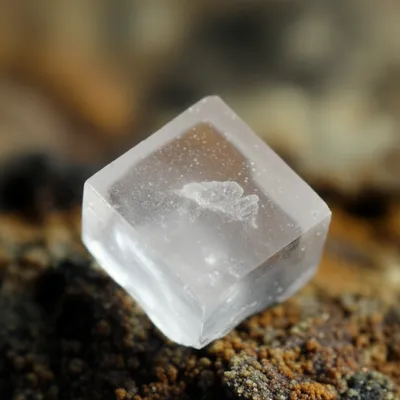
adjective🔗Share天然の, 純粋なOccurring naturally in its pure or uncombined form; native aluminium, native salt."The gold found in the river was native gold, meaning it was not mixed with other minerals. "川で見つかった金は天然金で、他の鉱物と混ざっていないという意味だった。naturematerialchemistrygeologyessentialChat with AIVocabulary GamePractice Reading
adjective🔗Share生まれつきの, 生まれのArising by birth; having an origin; born."My grandmother is a native of Ireland. "私の祖母はアイルランド生まれです。familypersonnationbiologyraceculturehistoryessentialChat with AIVocabulary GamePractice Reading
adjective🔗Share元の、ネイティブのOriginal; constituting the original substance of anything."native dust"ネイティブの埃naturesubstancematerialessentialChat with AIVocabulary GamePractice Reading
adjective🔗Share生得の, 固有の, 関係のあるNaturally related; cognate; connected (with)."My grandmother's language is a native tongue to the region. "祖母の言語はその地方の生得の言葉です。languagelinguisticsessentialChat with AIVocabulary GamePractice Reading