


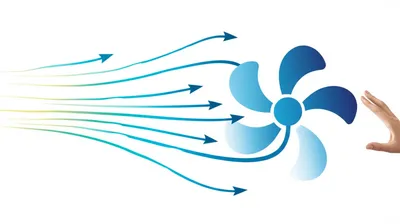

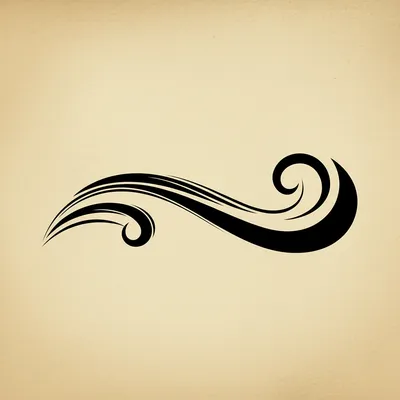











noun🔗Share風Real or perceived movement of atmospheric air usually caused by convection or differences in air pressure."The strong wind made it difficult to walk to school today. "強い風のせいで、今日は学校に行くのが大変でした。weatherenvironmentnaturegeographyphysicsscienceessentialChat with AIVocabulary GamePractice Reading
noun🔗Share風Air artificially put in motion by any force or action."the wind of a cannon ball; the wind of a bellows"大砲の弾の風;ふいごの風。natureweatheressentialChat with AIVocabulary GamePractice Reading
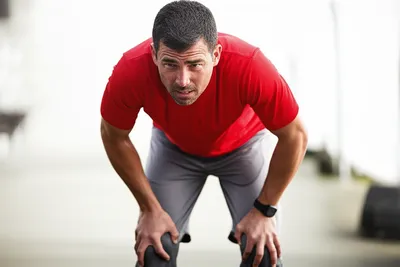
noun🔗Share呼吸, 息The ability to breathe easily."After the second lap he was already out of wind."2周目には、彼はすでに息が上がっていた。physiologybodyabilityessentialChat with AIVocabulary GamePractice Reading
noun🔗Share風聞, うわさNews of an event, especially by hearsay or gossip. (Used with catch, often in the past tense.)"The wind of a new teacher joining our class, caught my attention, though I heard it just as gossip. "新しい先生が私たちのクラスに加わるという風聞が私の注意を引いたが、それは噂として聞いたに過ぎない。communicationmediasocietyessentialChat with AIVocabulary GamePractice Reading
noun🔗Share風One of the five basic elements in Indian and Japanese models of the Classical elements)."The ancient Indian texts described the wind as one of the five fundamental elements. "古代インドの文献は、風を五大元素の一つとして記述した。elementphilosophyreligionmythologyessentialChat with AIVocabulary GamePractice Reading
noun🔗Shareおなら, 風Flatus."Eww. Someone just passed wind."うわ、誰かおならした。medicinephysiologybodyessentialChat with AIVocabulary GamePractice Reading
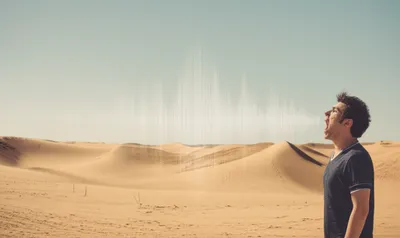
noun🔗Share息, 呼吸Breath modulated by the respiratory and vocal organs, or by an instrument."The singer's powerful wind filled the concert hall. "歌手の力強い息がコンサートホールを満たした。physiologymusicsoundorganlanguageessentialChat with AIVocabulary GamePractice Reading
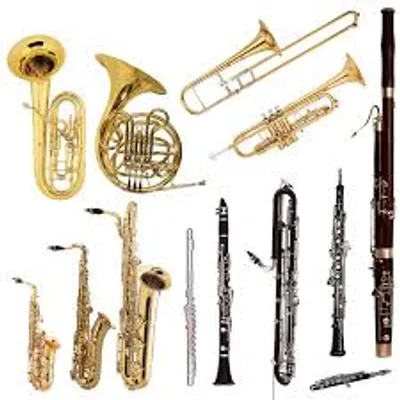
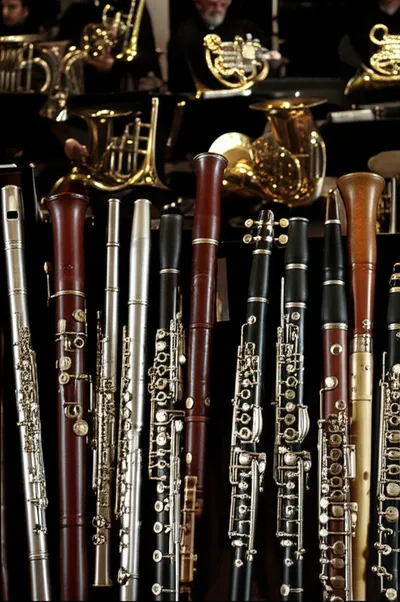
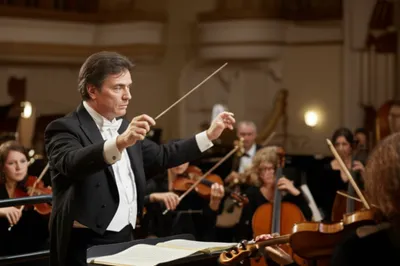
noun🔗Share管楽器The woodwind section of an orchestra. Occasionally also used to include the brass section."The wind section of the school orchestra played beautifully during the concert. "学校のオーケストラの管楽器セクションは、コンサートで美しい演奏をしました。musicgroupessentialChat with AIVocabulary GamePractice Reading
noun🔗Share風向き、方角A direction from which the wind may blow; a point of the compass; especially, one of the cardinal points, which are often called the "four winds"."The wind from the north brought a chilly breeze to the school playground. "北からの風が、学校の遊び場に冷たい風を運んできました。directiongeographyweatheressentialChat with AIVocabulary GamePractice Reading
noun🔗Share風牌Types of playing-tile in the game of mah-jongg, named after the four winds."My aunt collected many different mah-jongg tiles, including the four winds. "私のおばは、四風牌を含む、さまざまな麻雀牌を集めていました。gamecultureessentialChat with AIVocabulary GamePractice Reading
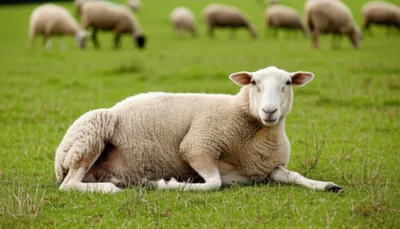
noun🔗Share羊の鼓腸症A disease of sheep, in which the intestines are distended with air, or rather affected with a violent inflammation. It occurs immediately after shearing."The sheep farmer noticed the sheep had wind shortly after shearing them. "羊飼いは、羊を刈った直後に羊が鼓腸症になったことに気づきました。diseaseanimalmedicineagricultureessentialChat with AIVocabulary GamePractice Reading
noun🔗Share戯言, 無駄話Mere breath or talk; empty effort; idle words."Her suggestion for improving the school project was just wind; she hadn't put any thought into it. "彼女の学校プロジェクト改善案はただの戯言で、彼女は何も考えていなかった。attitudecharacterlanguagecommunicationessentialChat with AIVocabulary GamePractice Reading
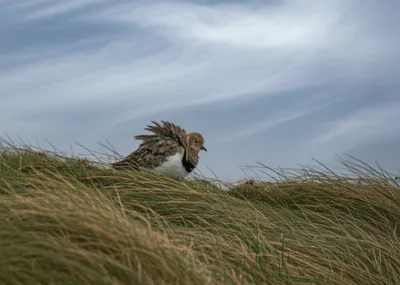
noun🔗ShareコウライアオバズクA bird, the dotterel."The wind, a small, speckled shorebird, was spotted near the school playground. "コウライアオバズクという小さな斑点のあるシギが、学校の遊び場の近くで目撃されました。birdessentialChat with AIVocabulary GamePractice Reading
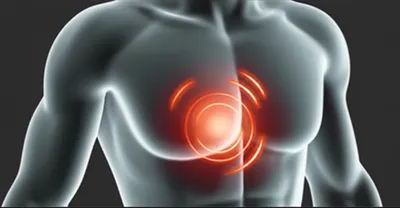
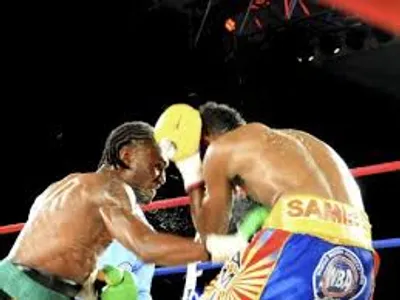
noun🔗ShareみぞおちThe region of the solar plexus, where a blow may paralyze the diaphragm and cause temporary loss of breath or other injury."The boxer's punch to the opponent's wind knocked the breath out of him. "ボクサーが相手のみぞおちにパンチを食らわせ、相手は息を呑んだ。anatomybodymedicinephysiologyorganessentialChat with AIVocabulary GamePractice Reading
verb🔗Share吹くTo blow air through a wind instrument or horn to make a sound."The musician carefully wound the trumpet to produce a clear, loud note. "音楽家は、澄んだ大きな音を出すために、注意深くトランペットを吹きました。musicsoundessentialChat with AIVocabulary GamePractice Reading
verb🔗Share息を呑ませる, 息を切らせるTo cause (someone) to become breathless, as by a blow to the abdomen, or by physical exertion, running, etc."The boxer was winded during round two."ボクサーは2ラウンドで息を切らした。bodyphysiologysensationactionessentialChat with AIVocabulary GamePractice Reading
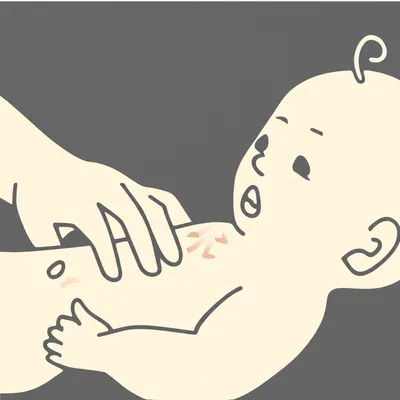
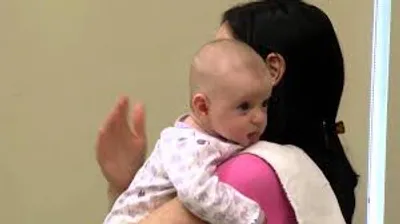
verb🔗Share赤ちゃんにげっぷをさせるTo cause a baby to bring up wind by patting its back after being fed."After feeding her baby, the mother gently wound his back to help him bring up gas. "赤ちゃんにミルクをあげた後、母親はガスを出すのを助けるために、優しく赤ちゃんの背中を叩きました。familyphysiologybodyessentialChat with AIVocabulary GamePractice Reading
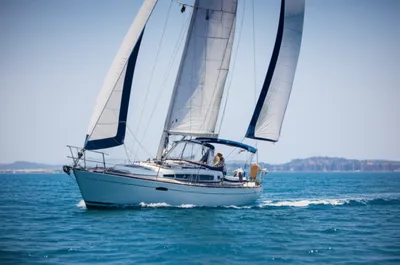
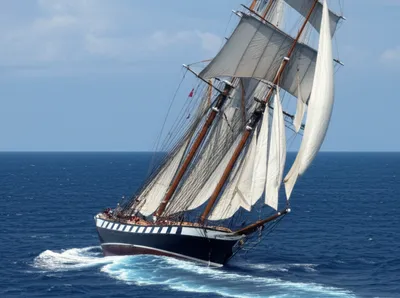
verb🔗Share風上を回るTo turn a boat or ship around, so that the wind strikes it on the opposite side."The sailboat captain had to wind the ship to catch the favorable breeze. "ヨットの船長は、追い風を受けるために船を風上を回さなければならなかった。nauticalsailingvehicleoceandirectionessentialChat with AIVocabulary GamePractice Reading
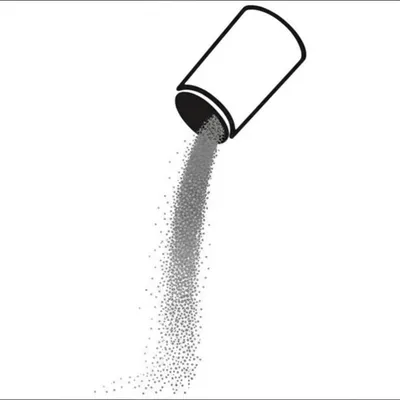
verb🔗Share風にさらす, 風を通すTo expose to the wind; to winnow; to ventilate."The farmer will wind the wheat to separate the grains from the chaff. "農夫は籾殻から穀物を分離するために、小麦を風にさらします。weatherenvironmentnatureessentialChat with AIVocabulary GamePractice Reading
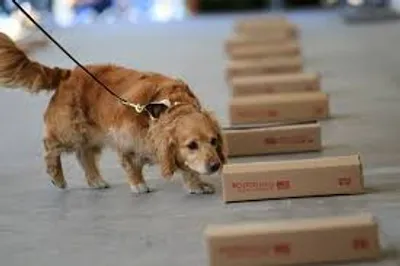
verb🔗Share匂いを嗅ぎつけるTo perceive or follow by scent."The hounds winded the game."猟犬が獲物の匂いを嗅ぎつけた。animalnatureactionessentialChat with AIVocabulary GamePractice Reading
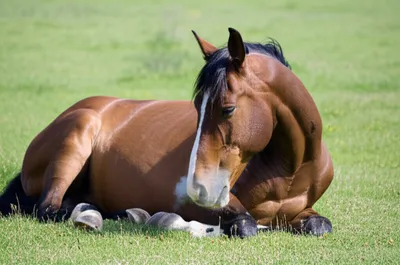
verb🔗Share息を整えさせる, 呼吸させるTo rest (a horse, etc.) in order to allow the breath to be recovered; to breathe."The tired racehorse needed to wind before the next race. "疲れた競走馬は、次のレースの前に息を整える必要があった。animalphysiologyessentialChat with AIVocabulary GamePractice Reading
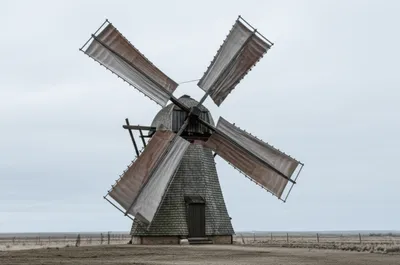
verb🔗Share向けるTo turn a windmill so that its sails face into the wind."The farmer wound the windmill so its sails caught the wind. "農夫は風車を回して、その羽根が風を捉えるようにした。weathersailingnauticalenvironmentessentialChat with AIVocabulary GamePractice Reading
noun🔗Share巻き, 回転The act of winding or turning; a turn; a bend; a twist."The winding path through the park took us past the old oak tree. "公園を通る曲がりくねった道は、私たちを古いオークの木のそばへと連れて行った。actionnaturephysicsprocessessentialChat with AIVocabulary GamePractice Reading
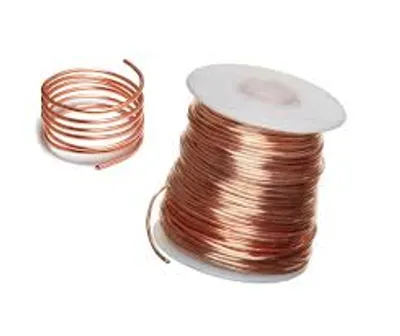
verb🔗Share巻く, 巻きつけるTo turn coils of (a cord or something similar) around something."to wind thread on a spool or into a ball"糸をスプールに巻くか、ボール状に巻きつける。actionprocessessentialChat with AIVocabulary GamePractice Reading
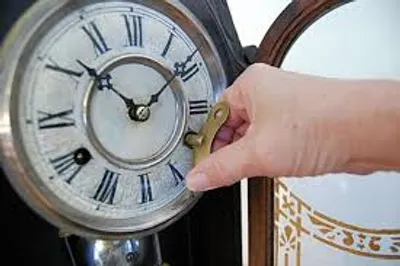
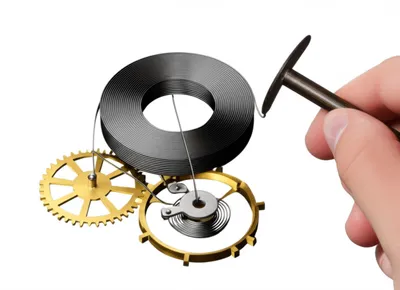
verb🔗Share巻く, ゼンマイを巻くTo tighten the spring of a clockwork mechanism such as that of a clock."Please wind that old-fashioned alarm clock."その古風な目覚まし時計を巻いてください。timemachineactiontechnicalessentialChat with AIVocabulary GamePractice Reading
verb🔗Share巻く, 巻きつけるTo entwist; to enfold; to encircle."The vine wound itself around the fence post. "つるはフェンスの柱に巻き付いた。actionprocessessentialChat with AIVocabulary GamePractice Reading
verb🔗Share曲がる, 蛇行するTo travel in a way that is not straight."Vines wind round a pole. The river winds through the plain."つるが柱に巻き付く。川は平野を蛇行する。directionwayessentialChat with AIVocabulary GamePractice Reading
verb🔗Share支配する, 操る, 制御するTo have complete control over; to turn and bend at one's pleasure; to vary or alter or will; to regulate; to govern."The teacher wound the lesson plan to fit the students' current needs. "先生は生徒たちの現在のニーズに合わせて授業計画を調整しました。governmentabilityactionessentialChat with AIVocabulary GamePractice Reading
verb🔗Shareほのめかす, ほのめかすTo introduce by insinuation; to insinuate."The teacher subtly winded the idea of a class trip into the conversation, hoping to get everyone excited. "先生は、みんなを興奮させようと、さりげなく修学旅行の話を会話にほのめかしました。communicationlanguageessentialChat with AIVocabulary GamePractice Reading
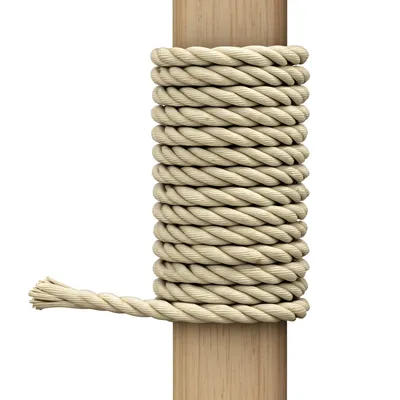
verb🔗Share巻く, 巻きつけるTo cover or surround with something coiled about."to wind a rope with twine"ロープを麻ひもで巻きつける。actionprocessessentialChat with AIVocabulary GamePractice Reading
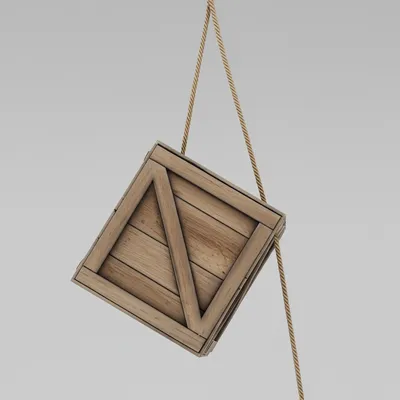
verb🔗Share巻く, 巻き上げるTo cause to move by exerting a winding force; to haul or hoist, as by a winch."The crane will wind the heavy equipment up to the top of the building. "クレーンは重機を建物の最上部まで巻き上げます。actionmachinetechnicalessentialChat with AIVocabulary GamePractice Reading
verb🔗Share回頭するTo turn (a ship) around, end for end."The captain had to wind the ship to face the oncoming storm. "船長は迫りくる嵐に立ち向かうため、船を回頭させなければならなかった。nauticalsailingessentialChat with AIVocabulary GamePractice Reading