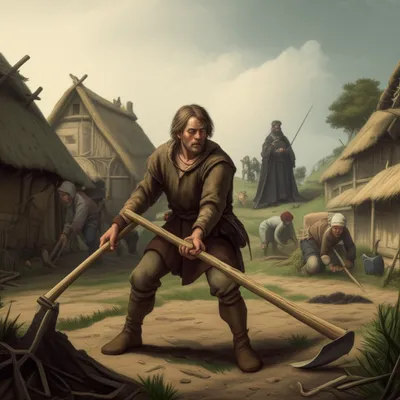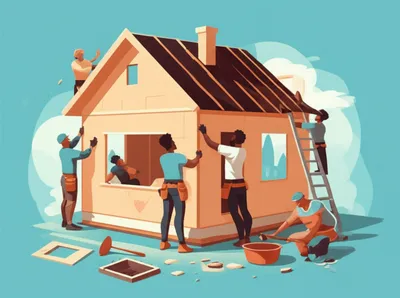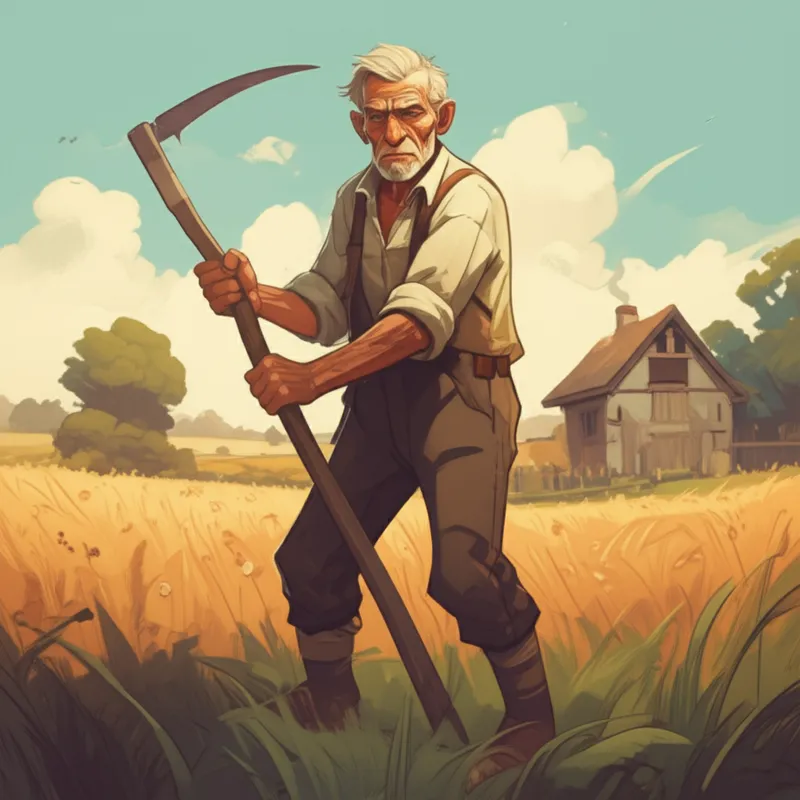
noun🔗Share田舎者, 農夫, 粗野な人A rustic; a countryman or labourer; a free peasant (as opposed to a serf)."The village thrived because the churls worked the land diligently, providing food for everyone. "村は、田舎者たちが勤勉に土地を耕し、皆に食料を提供していたため、繁栄しました。personjobhistorysocietyagricultureChat with AIVocabulary GamePractice Reading
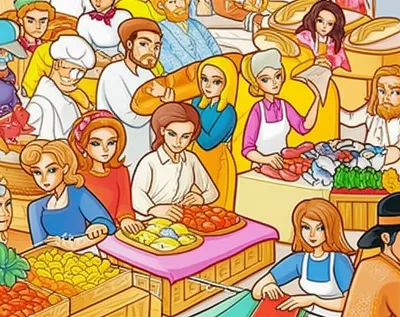
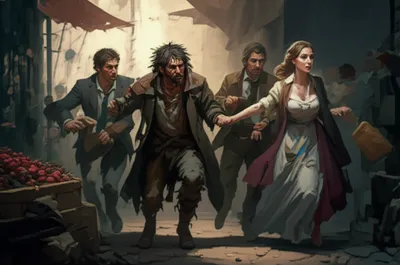
noun🔗Share無作法者, 粗野な人A rough, surly, ill-bred person; a boor."The shop was filled with polite customers, except for a few churls who complained loudly about the prices. "店は礼儀正しい客でいっぱいだったが、価格について大声で不平を言った数人の無作法者を除いては。personcharacterattitudeChat with AIVocabulary GamePractice Reading
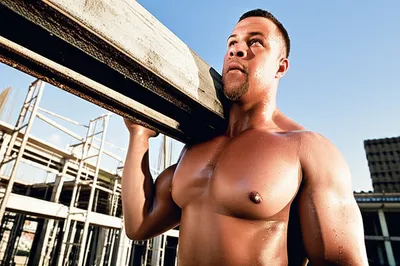
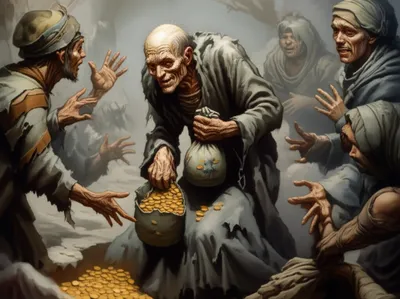
noun🔗Shareけち, 守銭奴A selfish miser; an illiberal person; a niggard."Even though he was wealthy, the townspeople considered Mr. Peterson and his family to be churls because they refused to donate to any local charities or help those in need. "裕福だったにもかかわらず、町の人々は、ピーターソン氏とその家族が地元の慈善団体への寄付や困っている人々の支援を拒否したため、彼らをけちだと見なした。characterpersonattitudemoralChat with AIVocabulary GamePractice Reading
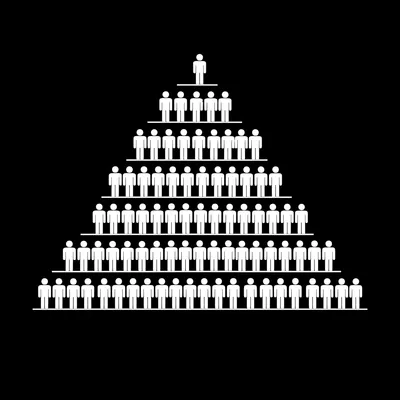
noun🔗Share自由民、農民(Theodism) A freedman, ranked below a thane but above a thrall."In the Anglo-Saxon village hierarchy, the churls, as free farmers, had more rights than the enslaved thralls, but owed loyalty to the higher-ranking thanes. "アングロサクソン村の階層において、自由農民である自由民は、奴隷のサーラルよりも多くの権利を持っていましたが、上位のテーンに忠誠を誓っていました。historypersonsocietyChat with AIVocabulary GamePractice Reading