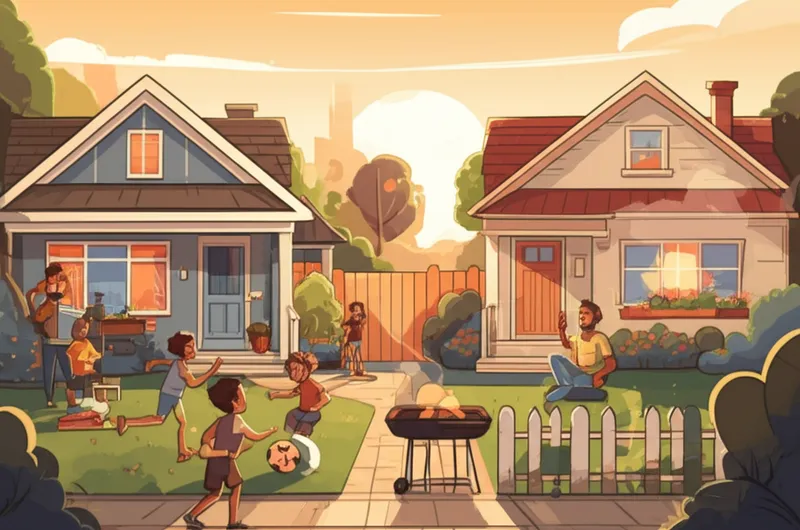

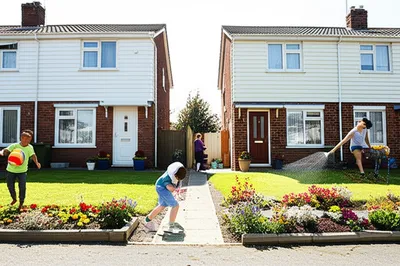

noun🔗Share隣人, 近所の人A person living on adjacent or nearby land; a person situated adjacently or nearby; anything (of the same type of thing as the subject) in an adjacent or nearby position."My neighbour has two noisy cats."私の隣人は騒がしい猫を2匹飼っています。personplacesocietypropertybuildinghumanfamilyChat with AIVocabulary GamePractice Reading
noun🔗Share隣人、親しい人One who is near in sympathy or confidence."After the fire, our neighbours were a great comfort, bringing us food and offering us a place to stay. "火事の後、私たちの親しい人々は大きな慰めとなり、食べ物を届けてくれ、滞在する場所を提供してくれました。personhumanfamilysocietyChat with AIVocabulary GamePractice Reading
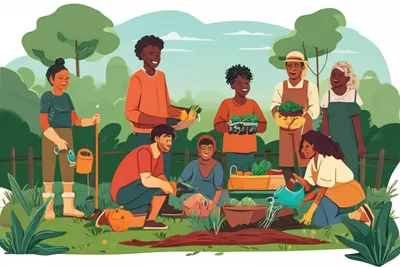
noun🔗Share隣人, 人A fellow human being."During the flood, the community worked together, showing compassion and support for their neighbours, helping them rebuild their homes. "洪水の間、地域社会は協力し、隣人への思いやりと支援を示し、家の再建を手伝いました。humanpersonfamilysocietyChat with AIVocabulary GamePractice Reading
verb🔗Share隣接する, 隣り合うTo be adjacent to"Though France neighbours Germany, its culture is significantly different."フランスはドイツに隣接していますが、その文化は著しく異なります。areaplacepropertyChat with AIVocabulary GamePractice Reading
verb🔗Share似ている, 近い(followed by "on"; figurative) To be similar to, to be almost the same as."That sort of talk is neighbouring on treason."その種の話し方は反逆に近い。languagelinguisticsChat with AIVocabulary GamePractice Reading
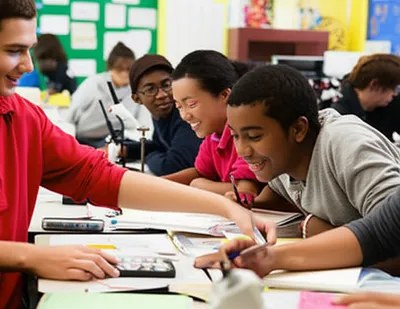
verb🔗Share親しくする, 交際するTo associate intimately with; to be close to."Despite their initial shyness, the new students quickly neighboured with their classmates, forming strong friendships. "最初は恥ずかしがっていたものの、新しい生徒たちはすぐにクラスメートと親しくなり、強い友情を築きました。familyhumanpersonsocietygroupChat with AIVocabulary GamePractice Reading