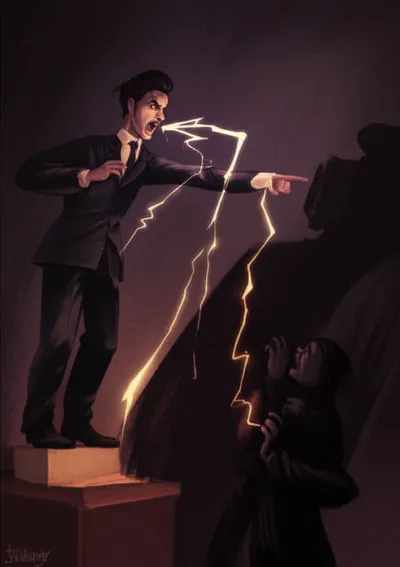
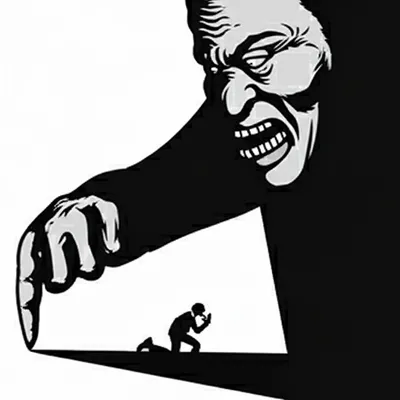
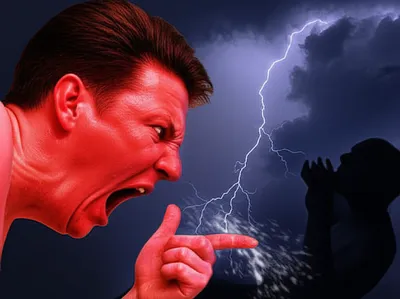
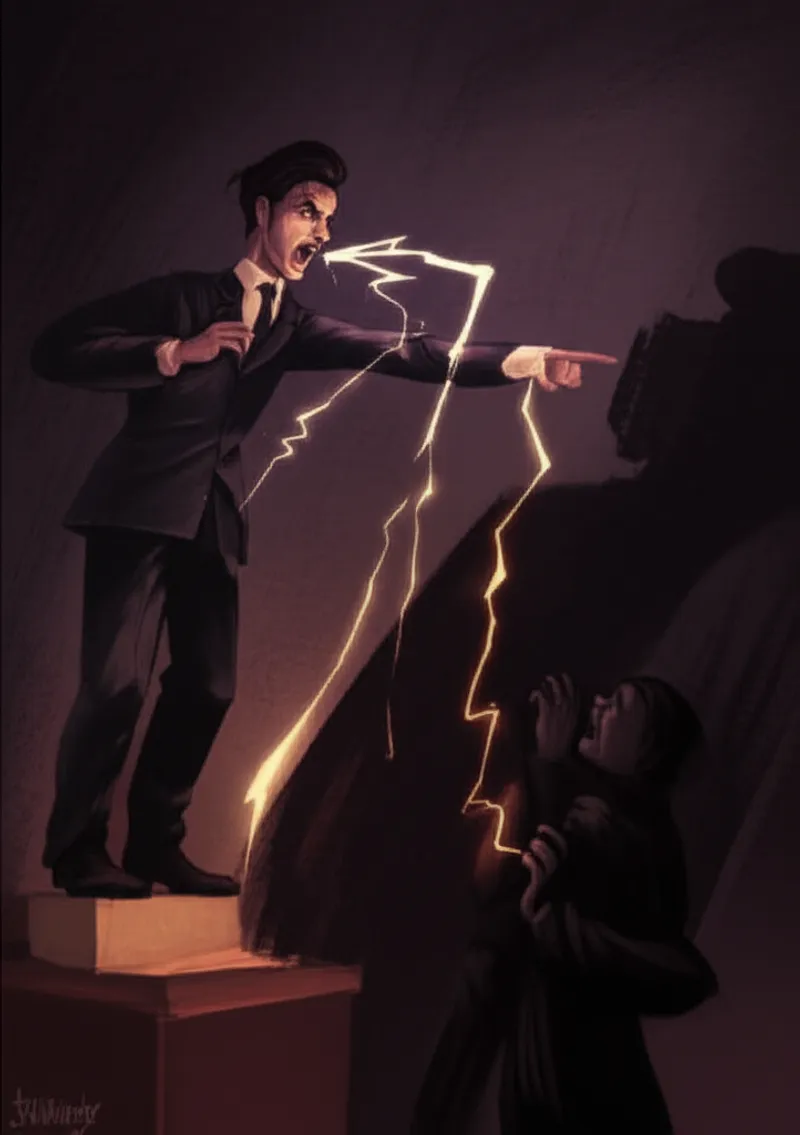
noun ダウンロード 🔗共有 ののしり, 罵り An expression which inveighs or rails against a person. Examples : "After losing the game, the frustrated player unleashed a torrent of invective at the referee. " 試合に負けた後、苛立った選手は審判にののしりを浴びせた。 language communication writing word AIとチャット語彙ゲーム読解練習
noun ダウンロード 🔗共有 痛烈な非難, 罵倒 A severe or violent censure or reproach. Examples : "The politician responded to the reporter's question with a burst of angry invective, attacking the reporter's credibility instead of answering the question. " 政治家は記者の質問に答える代わりに、記者の信憑性を攻撃し、怒りに満ちた罵倒の言葉を浴びせた。 language communication writing word AIとチャット語彙ゲーム読解練習
noun ダウンロード 🔗共有 罵倒, 侮辱 Something spoken or written, intended to cast shame, disgrace, censure, or reproach on another. Examples : "The political debate devolved into a shouting match filled with personal invective, making it difficult to understand the candidates' actual policies. " 政治討論は、候補者の実際の政策を理解することを困難にする、個人的な侮辱で満たされた怒鳴り合いに発展した。 language communication writing statement literature AIとチャット語彙ゲーム読解練習
noun ダウンロード 🔗共有 罵倒, 侮辱 A harsh or reproachful accusation. Examples : "Politics can raise invective to a low art." 政治は罵倒を低俗な芸術に高めることがある。 language communication writing word statement literature AIとチャット語彙ゲーム読解練習
adjective ダウンロード 🔗共有 ののしりの, 痛烈な Characterized by invection or railing. Examples : "His invective speech against the company's new policy was filled with insults and harsh criticism. " 会社の新しい方針に対する彼の痛烈なスピーチは、侮辱と厳しい批判に満ちていた。 language communication word writing attitude character negative AIとチャット語彙ゲーム読解練習