






noun🔗Share異教徒A person not adhering to a main world religion; a follower of a pantheistic or nature-worshipping religion."This community has a surprising number of pagans."このコミュニティには驚くほど多くの異教徒がいます。religionmythologyculturephilosophypersonhistoryChat with AIVocabulary GamePractice Reading
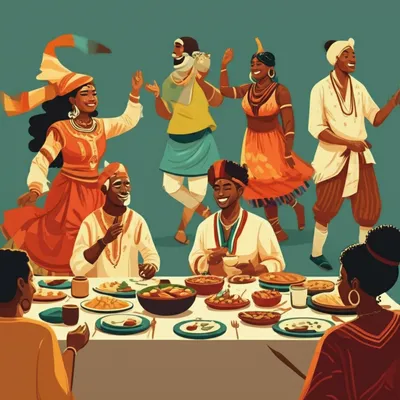
noun🔗Share異教徒(by extension) An uncivilized or unsocialized person."He acted like a complete pagan at the dinner party, eating with his hands and shouting across the table. "彼は夕食会で、手で食べたりテーブル越しに叫んだりして、まるで異教徒のように振る舞った。culturepersonphilosophyreligionChat with AIVocabulary GamePractice Reading
noun🔗Shareわんぱく坊主, しつけの悪い子供(by extension) An unruly, badly educated child."The teacher sighed, exasperated. "That pagan needs to learn some respect." "教師はうんざりしたようにため息をついた。「あのわんぱく坊主は少しは礼儀を学ぶ必要がある。」characterhumanpersonattitudeeducationChat with AIVocabulary GamePractice Reading
adjective🔗Share異教のRelating to, characteristic of religions that differ from main world religions."Many converted societies transformed their pagan deities into saints."多くの改宗した社会は、異教の神々を聖人に変えました。religionculturehistoryChat with AIVocabulary GamePractice Reading
adjective🔗Share異教の, 野蛮な, 未開の(by extension) Savage, immoral, uncivilized, wild."The rumors about the new student painted him as a pagan, wild and uncivilized, but he was actually just shy. "新しい生徒についての噂は彼を異教徒的で、野蛮で、未開な人物として描いたが、彼は実際にはただシャイだった。culturemoralreligionhistoryattitudevaluesocietyChat with AIVocabulary GamePractice Reading