몰입형 비주얼과 AI를 통한 어휘 마스터
유입, 쇄도
"The inpourings of questions from the students overwhelmed the teacher during the Q&A session. "
학생들의 질문이 쇄도하여 질의응답 시간 동안 선생님을 압도했다.
비웃음을 살 만한, 아주 적은
"The company offered a derisory raise of only 10 cents per hour, which was insulting considering the employees' hard work. "
회사는 직원들의 노고를 고려할 때 모욕적인 시간당 10센트의 비웃음을 살 만한 인상을 제안했습니다.
축적하다, 쌓다
"The student's test scores cumulated over the semester, resulting in a high final grade. "
학생의 시험 점수는 학기 동안 축적되어 높은 최종 성적을 받았습니다.
합계가 ~이 되다, 번호를 매기다
"I don’t know how many books are in the library, but they must number in the thousands."
도서관에 책이 몇 권이나 있는지 모르겠지만, 수천 권은 될 것이다.
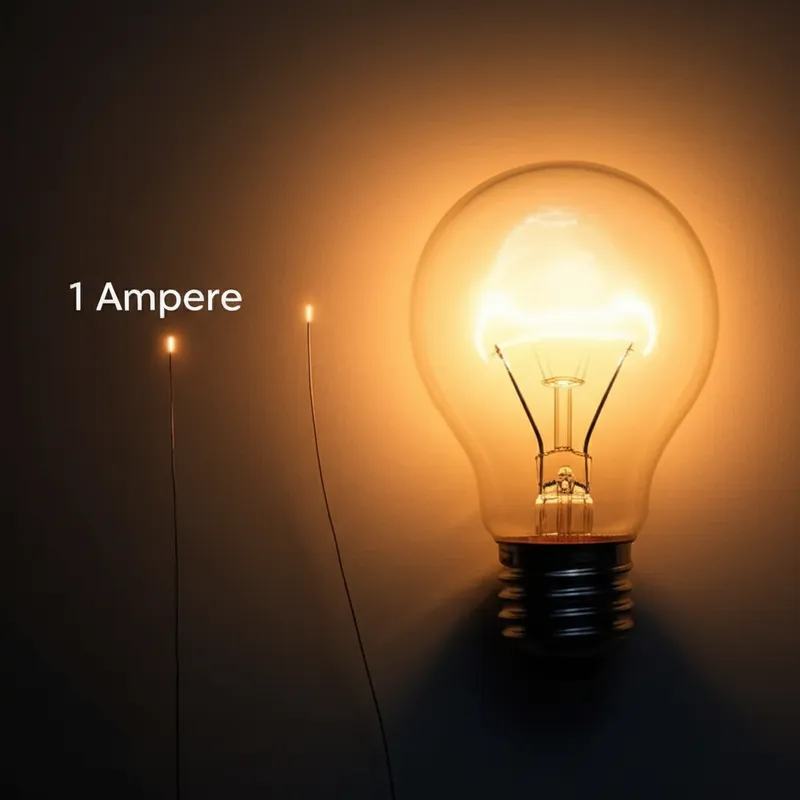
밀리암페어
"The phone charger provides 500 milliamperes of current to quickly charge the battery. "
휴대폰 충전기는 배터리를 빠르게 충전하기 위해 500밀리암페어의 전류를 공급합니다.
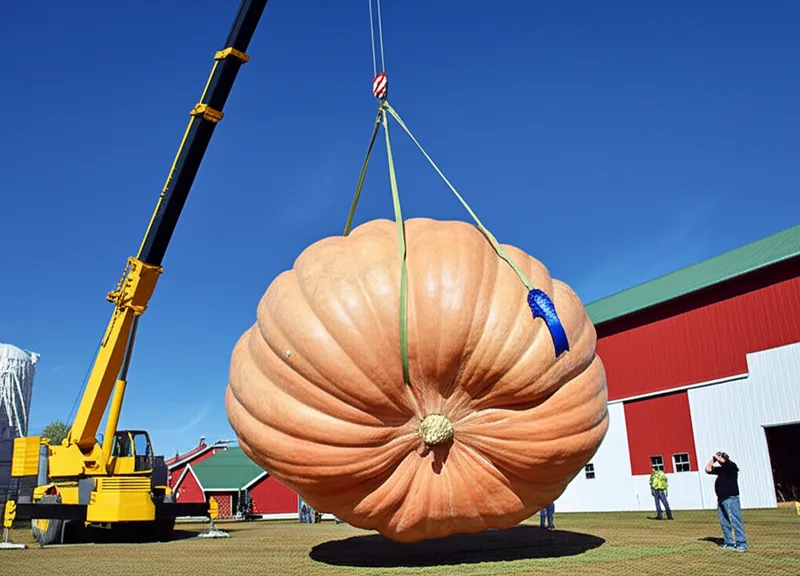
거대한 것, 엄청난 것
"I caught a real honker of a fish."
나는 진짜 거대한 물고기를 잡았다.
작은 입자, 티끌
"The scientist carefully collected the tiny hoots of dust from the microscope slide. "
과학자는 현미경 슬라이드에서 작은 먼지 입자를 조심스럽게 수집했다.
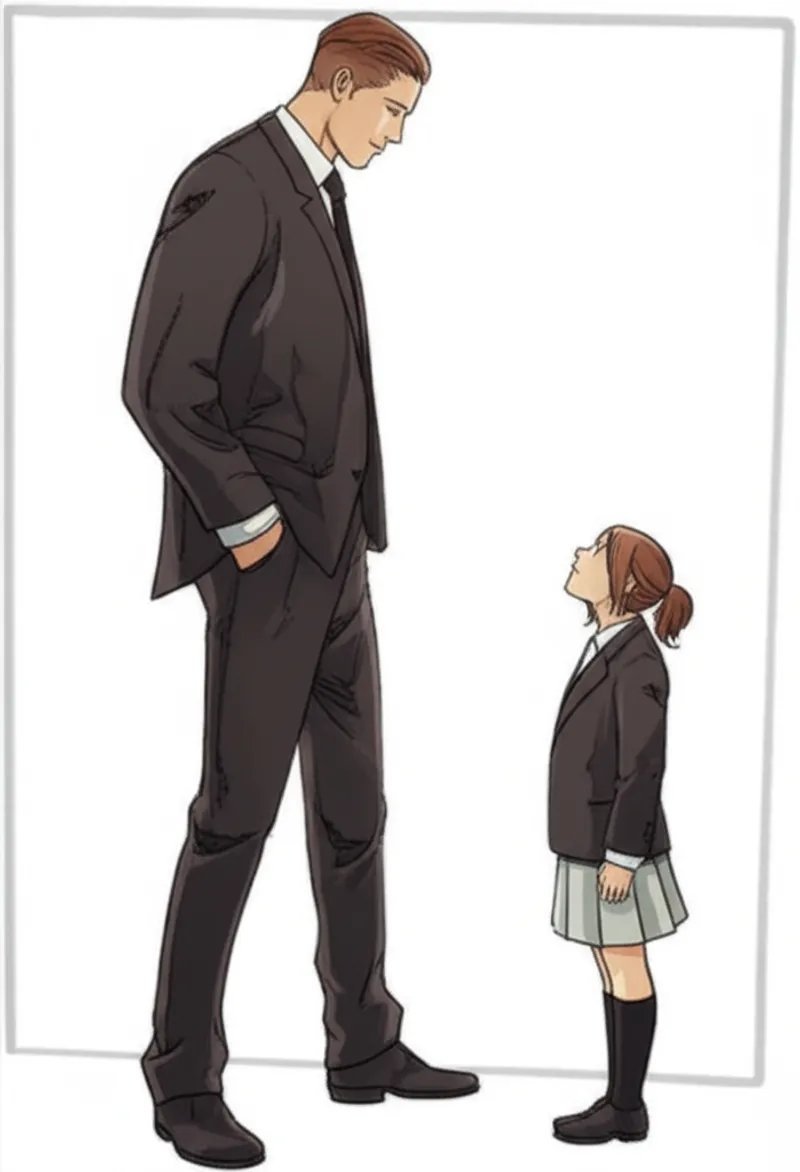
상대적으로, 비교적
"He was relatively successful."
그는 비교적 성공적이었다.
과도한, 풍부한
"The farmer had an elder supply of potatoes, enough to last through the winter. "
농부는 겨울을 날 만큼 감자를 과도하게 많이 비축해 두었다.
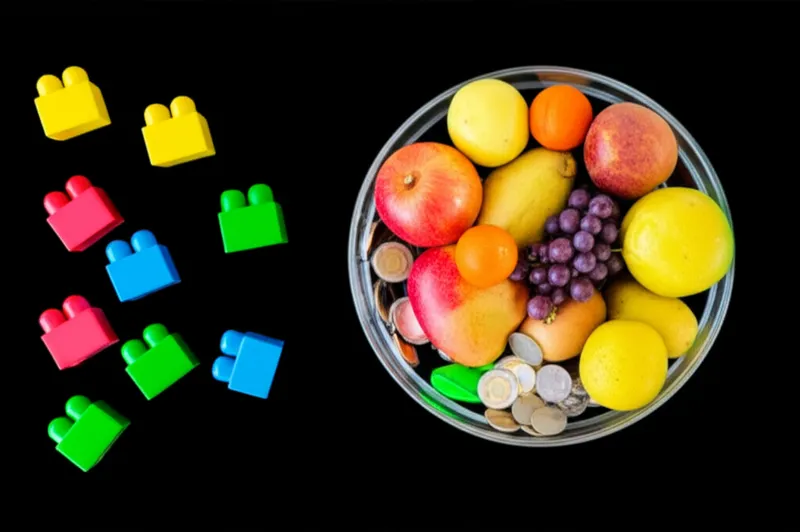
푼돈, 푼
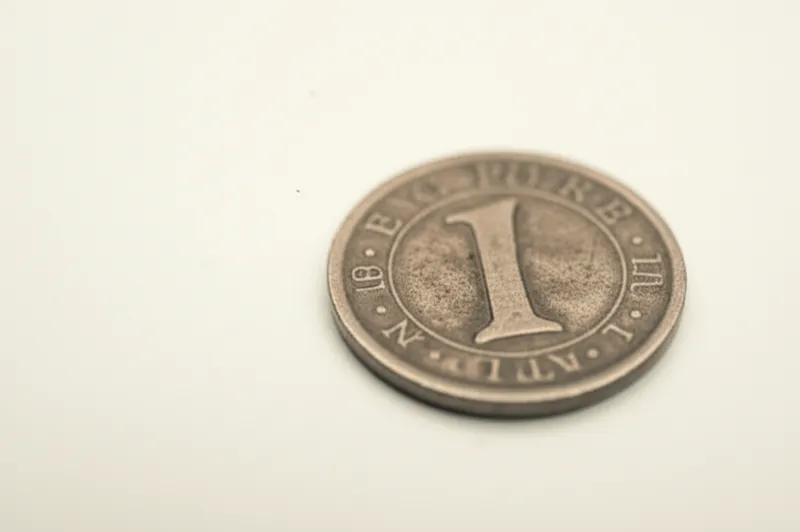
"He wouldn't donate a groat to charity, even though he's incredibly wealthy. "
그는 엄청나게 부자임에도 불구하고 자선 단체에 푼돈도 기부하지 않을 것이다.
군중, 다수
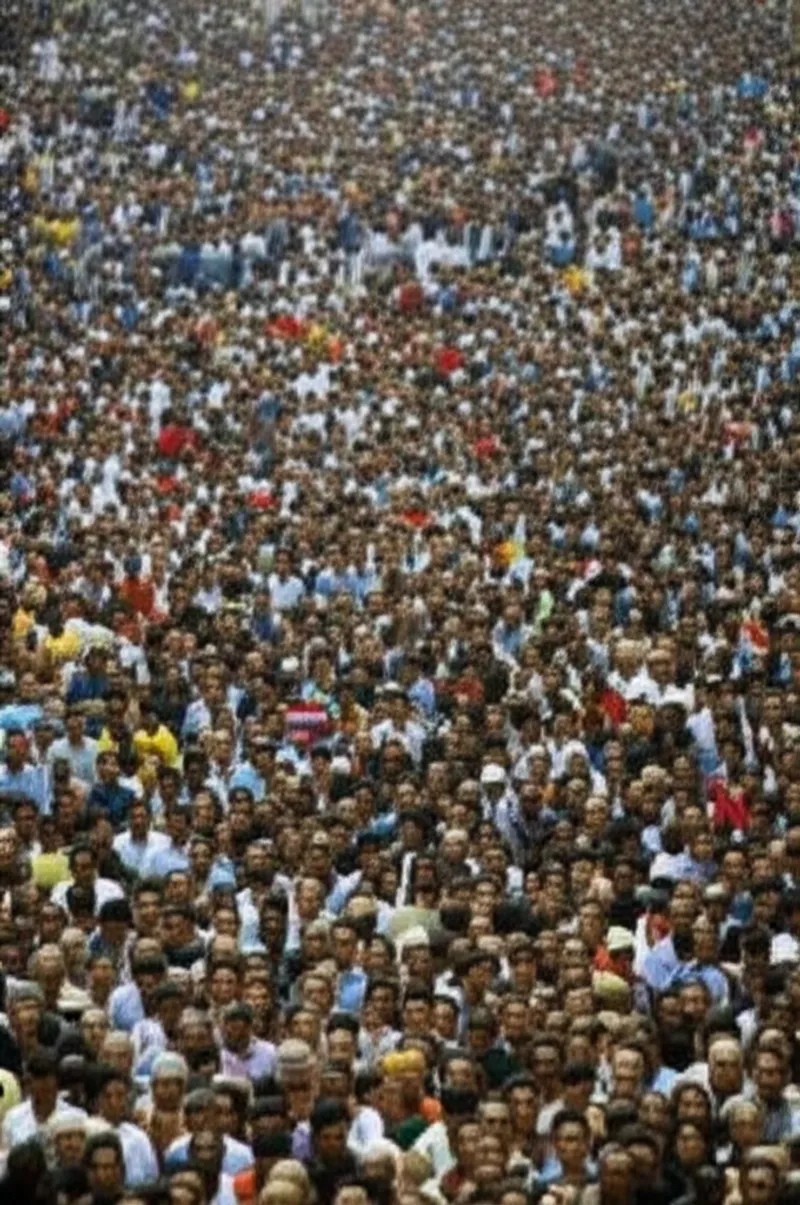
"Legions of fans cheered as the rock star walked on stage. "
록스타가 무대에 오르자 수많은 팬들이 환호했다.
단지
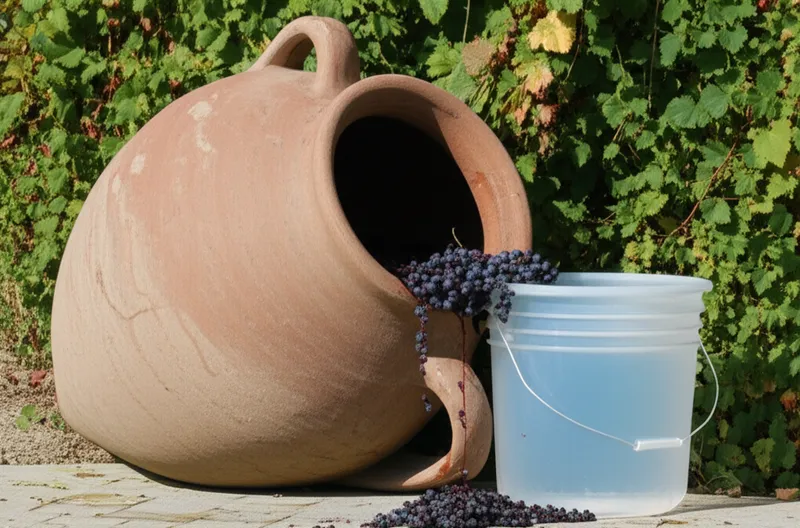
"The recipe called for three urns of wine to make the traditional stew. "
전통 스튜를 만들기 위해 레시피는 세 개의 단지 와인을 필요로 했다.
돈
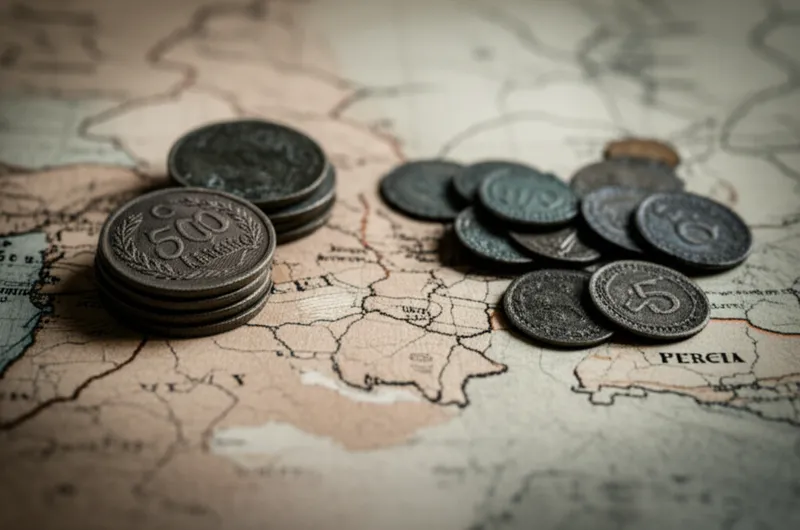
""Back in Persia, my grandfather paid for our family's passage with two purses of tomans." "
페르시아에서, 할아버지는 우리 가족의 통행료를 두 개의 토만 돈으로 지불했습니다.
범람, 홍수, 쇄도
"There is an inundation of tourists in summer, but in winter the town is almost deserted."
여름에는 관광객이 쇄도하지만, 겨울에는 마을이 거의 텅 빈다.
많은 양, 다량
"After the conference, we had a schwag of free pens and notebooks to take home. "
컨퍼런스 후, 우리는 집에 가져갈 수 있는 많은 양의 무료 펜과 노트를 받았습니다.
계속 증가하다, 나선형으로 증가하다
"Her debts were spiralling out of control."
그녀의 빚은 통제 불능 상태로 계속 증가했다.
아주 작은, 미미한
"The blindest spot on the map for the new student was the route to the library. "
새 학생에게 지도에서 가장 작은 지점은 도서관으로 가는 길이었다.
조금씩, 점차적으로
"The toddler, initially scared of the water, inched into the pool inchmeal until only his toes were still on the side. "
처음에는 물을 무서워하던 아기가 조금씩 수영장으로 들어가 발가락만 가장자리에 남았다.
아주 작은, 쬐끄만
"There was the teensiest bit of cake left on the plate. "
접시에는 아주 작은 케이크 조각이 남아 있었다.
일치하다, 부합하다
"The number of students present in the morning tallied with the number of students on the attendance sheet. "
아침에 출석한 학생 수는 출석부에 있는 학생 수와 일치했다.