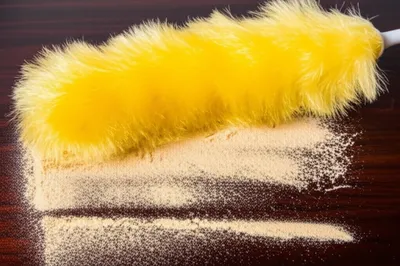
noun 다운로드 🔗공유 먼지 Fine particles Examples : "A thick layer of dust covered the old book. " 두꺼운 먼지 층이 낡은 책을 덮었다. material substance environment essential AI와 채팅어휘 게임독해 연습
noun 다운로드 🔗공유 먼지 털기 The act of cleaning by dusting. Examples : "The weekly dust is a chore, but it keeps the house clean. " 주간 먼지 털기는 귀찮은 일이지만, 집을 깨끗하게 유지해준다. action utility essential AI와 채팅어휘 게임독해 연습
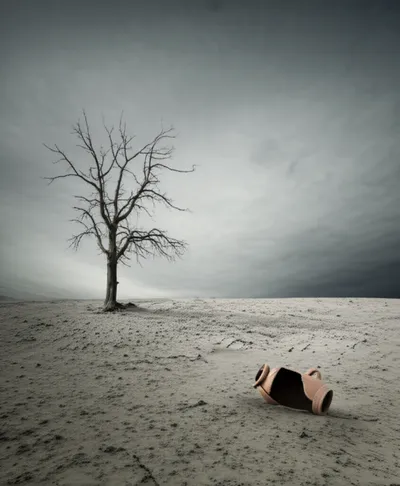
noun 다운로드 🔗공유 먼지, 흙 The earth, as the resting place of the dead. Examples : "The old, crumbling tomb was considered sacred dust by the family. " 오래되고 무너져가는 무덤은 가족에게 신성한 흙으로 여겨졌다. religion soul body essential AI와 채팅어휘 게임독해 연습
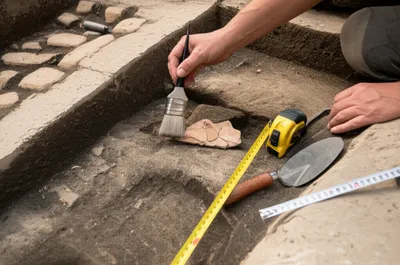
noun 다운로드 🔗공유 먼지, 재 The earthy remains of bodies once alive; the remains of the human body. Examples : "The archaeologists carefully studied the dust of the ancient Egyptian mummy. " 고고학자들은 고대 이집트 미라의 먼지를 조심스럽게 연구했다. body human archaeology religion essential AI와 채팅어휘 게임독해 연습
noun 다운로드 🔗공유 먼지, 쓸모없는 것 Something worthless. Examples : "That old, forgotten project was just dust – completely useless now. " 그 낡고 잊혀진 프로젝트는 그저 쓸모없는 것이었습니다. 지금은 완전히 쓸모없죠. value thing nothing essential AI와 채팅어휘 게임독해 연습
noun 다운로드 🔗공유 먼지, 비참함 A low or mean condition. Examples : "The family's financial situation was reduced to dust, making everyday life extremely difficult. " 가족의 재정 상황은 비참함으로 전락하여 일상 생활을 극도로 어렵게 만들었습니다. condition situation value essential AI와 채팅어휘 게임독해 연습
noun 다운로드 🔗공유 현금, 돈 Cash; money (in reference to gold dust). Examples : "The prospectors hoped to find enough gold dust to buy a new home. " 금광 탐사자들은 새 집을 살 만큼 충분한 돈을 찾기를 바랐다. business finance economy asset essential AI와 채팅어휘 게임독해 연습
noun 다운로드 🔗공유 소란, 소동 A disturbance or uproar. Examples : "to raise, or kick up, a dust" 소란을 일으키다 event action essential AI와 채팅어휘 게임독해 연습
noun 다운로드 🔗공유 먼지 A totally disconnected set of points with a fractal structure. Examples : "The scattered markings on the old map formed a dust of locations where ancient explorers had camped. " 오래된 지도에 흩어진 표시는 고대 탐험가들이 캠프를 쳤던 장소들의 먼지를 형성했다. physics material science nature structure essential AI와 채팅어휘 게임독해 연습
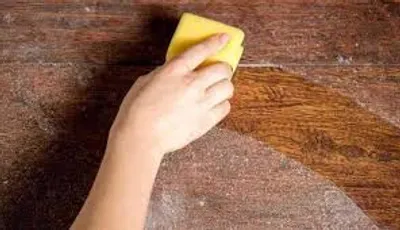
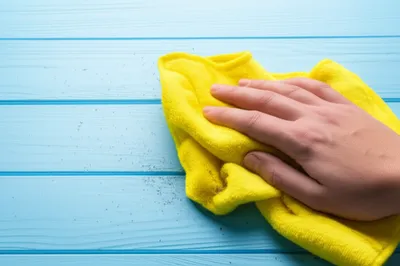
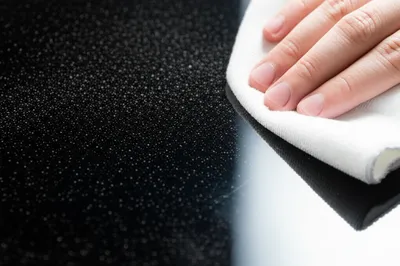
verb 다운로드 🔗공유 먼지를 털다 To remove dust from. Examples : "The cleaning lady needs a stool to dust the cupboard." 청소부 아줌마는 찬장의 먼지를 털기 위해 발판이 필요하다. appearance utility action essential AI와 채팅어휘 게임독해 연습
verb 다운로드 🔗공유 먼지를 털다, 털어내다 To remove dust; to clean by removing dust. Examples : "Dusting always makes me cough." 먼지를 털면 항상 기침이 난다. action utility essential AI와 채팅어휘 게임독해 연습
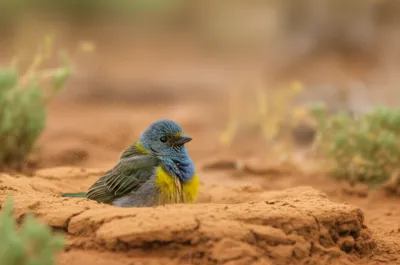
verb 다운로드 🔗공유 모래 목욕을 하다 Of a bird, to cover itself in sand or dry, dusty earth. Examples : "The robin dusted itself in the garden soil. " 로빈은 정원 흙에서 모래 목욕을 했다. animal nature bird essential AI와 채팅어휘 게임독해 연습
verb 다운로드 🔗공유 가루를 뿌리다, 먼지를 털다 To spray or cover something with fine powder or liquid. Examples : "The gardener dusted the rose bushes with a fine spray of water. " 정원사는 장미 덤불에 미세한 물 스프레이를 뿌렸다. action material process essential AI와 채팅어휘 게임독해 연습
verb 다운로드 🔗공유 떠나다, 흩어지다 To leave; to rush off. Examples : "The children dusted out of the classroom after the bell rang. " 아이들은 종이 울린 후 교실에서 흩어졌다. action way essential AI와 채팅어휘 게임독해 연습
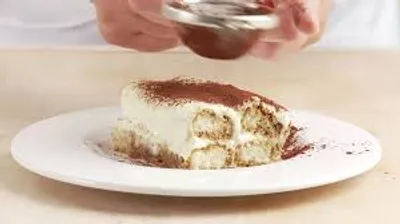
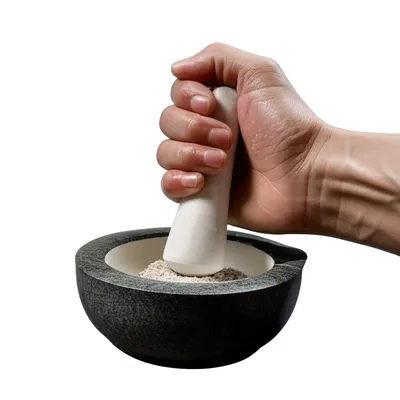
verb 다운로드 🔗공유 가루로 만들다, 분쇄하다 To reduce to a fine powder; to levigate. Examples : "The chef carefully dusted the flour onto the baking sheet. " 요리사는 베이킹 시트에 밀가루를 조심스럽게 뿌렸다. material substance process essential AI와 채팅어휘 게임독해 연습
verb 다운로드 🔗공유 죽이다, 파괴하다 To kill or severely disable. Examples : "The bully tried to dust the smaller child, hoping to make him stop picking on him. " 불량배는 더 작은 아이를 죽이려 했고, 그가 자신을 괴롭히는 것을 멈추기를 바랐다. military war weapon action essential AI와 채팅어휘 게임독해 연습