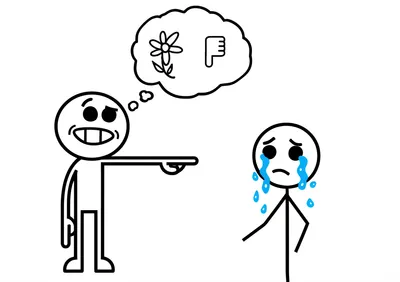
verb 다운로드 🔗공유 모욕하다, 욕하다 To be insensitive, insolent, or rude to (somebody); to affront or demean (someone). Examples : ""He was insulting her by making fun of her accent in front of everyone." " 그는 모두 앞에서 그녀의 억양을 놀리며 그녀를 모욕했다. attitude communication human character moral action language AI와 채팅어휘 게임독해 연습
verb 다운로드 🔗공유 공격하다, 습격하다 To assail, assault, or attack; (specifically) to carry out an assault, attack, or onset without preparation. Examples : "The bully insulted the smaller student by shoving him in the hallway. " 불량배는 복도에서 작은 학생을 밀쳐서 공격했다. action war military communication AI와 채팅어휘 게임독해 연습
verb 다운로드 🔗공유 모욕하다, 욕하다 To behave in an obnoxious and superior manner (against or over someone). Examples : "The boss insulting the employees made them feel undervalued and demotivated. " 상사가 직원들을 모욕하자 그들은 가치 없다고 느끼고 의욕을 잃었다. attitude character human action communication society moral AI와 채팅어휘 게임독해 연습
verb 다운로드 🔗공유 짓밟다, 밟고 지나가다 To leap or trample upon. Examples : "The angry child insulting the fallen toy, stomping and leaping on it. " 화가 난 아이는 떨어진 장난감을 짓밟고, 밟고 지나가며 뛰어넘었다. action AI와 채팅어휘 게임독해 연습
noun 다운로드 🔗공유 모욕 The act of giving insult. Examples : "His constant insulting of his classmates made him unpopular. " 그는 급우들을 끊임없이 모욕하여 인기가 없어졌다. attitude communication character human emotion society action moral AI와 채팅어휘 게임독해 연습
adjective 다운로드 🔗공유 모욕적인, 욕하는 Containing insult, or having the intention of insulting. Examples : "He received an insulting letter." 그는 모욕적인 편지를 받았다. attitude character emotion communication moral human AI와 채팅어휘 게임독해 연습