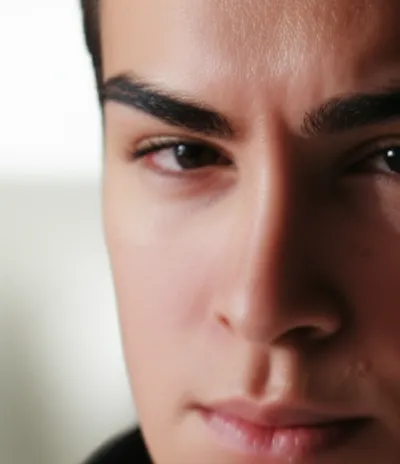
verb 다운로드 🔗공유 곁눈질하다, 곁눈으로 보다 To look at (someone or something) with a sideways glance. Examples : "The teacher asked the student a question, and the student looked askance at the complicated problem. " 선생님은 학생에게 질문을 했고, 학생은 복잡한 문제를 곁눈질했다. attitude appearance action human AI와 채팅어휘 게임독해 연습
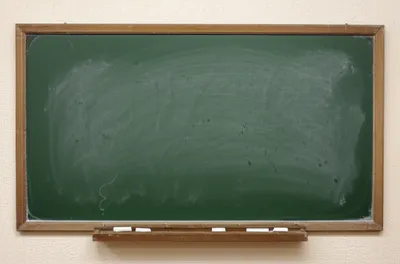
verb 다운로드 🔗공유 곁눈질하다, 곁으로 보다 To turn (one's eye or gaze) to the side. Examples : "The teacher asked the student a question, and the student looked askance at the chalkboard. " 선생님이 학생에게 질문을 했고, 학생은 칠판을 곁눈질했다. appearance attitude body action human AI와 채팅어휘 게임독해 연습
adjective 다운로드 🔗공유 곁눈질하는, 비스듬한 Turned to the side, especially of the eyes. Examples : "She gave the suggestion an askance look, clearly not trusting its feasibility. " 그녀는 그 제안의 실현 가능성을 믿지 않는다는 듯이 비스듬한 눈으로 바라보았다. appearance attitude AI와 채팅어휘 게임독해 연습
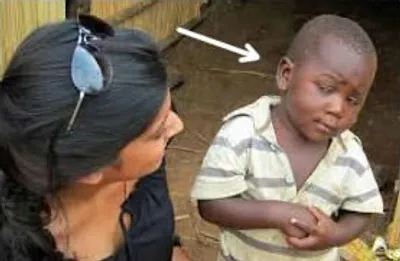
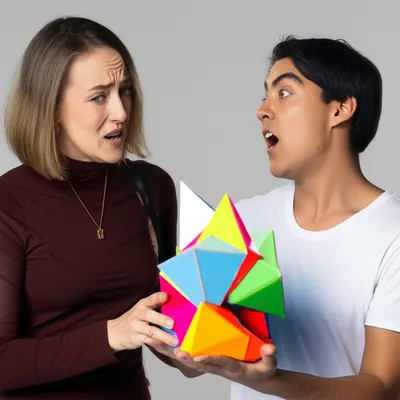
adverb 다운로드 🔗공유 의심스러운 눈으로, 곁눈질로 (of a look or glance) With disapproval, skepticism, or suspicion. Examples : "The beggar asked for change, but the haughty woman only looked at him askance." 거지는 잔돈을 구걸했지만, 거만한 여자는 그를 의심스러운 눈으로 쳐다보았다. attitude character AI와 채팅어휘 게임독해 연습
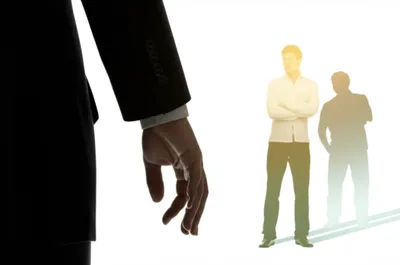
adverb 다운로드 🔗공유 곁눈질로, 비스듬히 Sideways; obliquely. Examples : "The teacher looked askance at the student who repeatedly whispered during class. " 선생님은 수업 중에 계속 속삭이는 학생을 곁눈질로 쳐다봤다. attitude way appearance AI와 채팅어휘 게임독해 연습