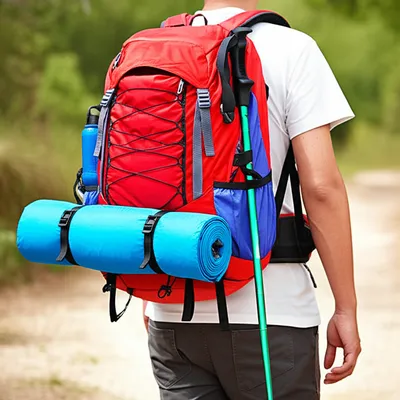
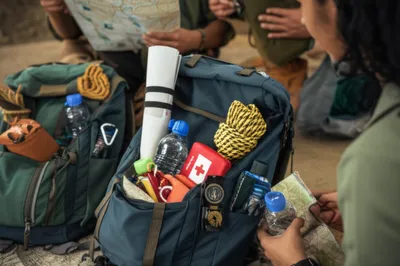
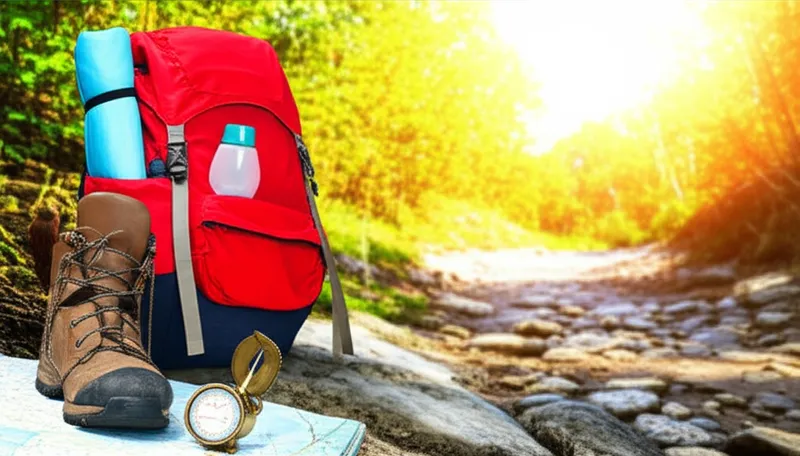
noun 다운로드 🔗공유 배낭 A knapsack, sometimes mounted on a light frame, but always supported by straps, worn on a person’s back for the purpose of carrying things, especially when hiking, or on a student's back when carrying books. Examples : "My son wore his backpack to school every day, carrying his books and lunch. " 아들은 매일 학교에 배낭을 메고 가서 책과 점심을 가지고 다녔다. wear item utility thing education toeic AI와 채팅어휘 게임독해 연습
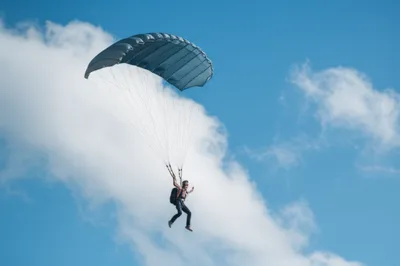
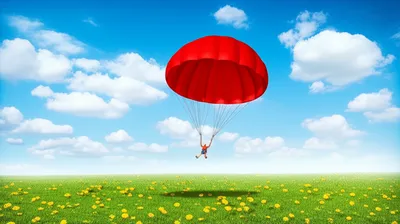
noun 다운로드 🔗공유 배낭 A similarly placed item containing a parachute or other life-support equipment. Examples : "The pilot checked the backpack for the parachute before the flight. " 조종사는 비행 전에 낙하산을 위해 배낭을 확인했다. item military technology toeic AI와 채팅어휘 게임독해 연습
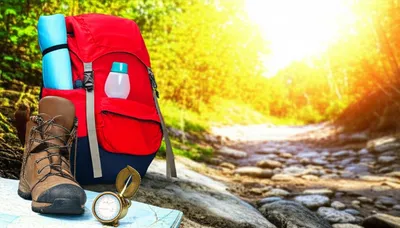
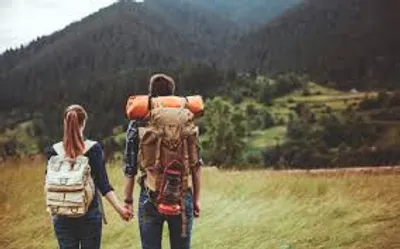
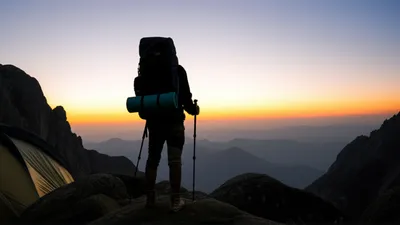
verb 다운로드 🔗공유 배낭을 메고 야영하며 하이킹하다 To hike and camp overnight in backcountry with one's gear carried in a backpack Examples : "To prepare for the weekend camping trip, Sarah backpacked to the national park. " 주말 캠핑 여행을 준비하기 위해, 사라가 국립공원에서 배낭을 메고 야영하며 하이킹을 했다. sport environment action toeic AI와 채팅어휘 게임독해 연습
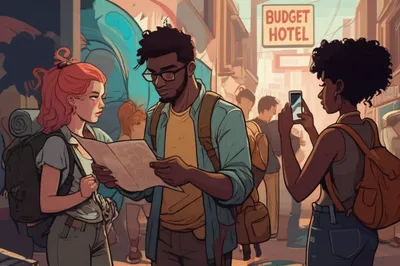
verb 다운로드 🔗공유 배낭여행을 하다 To engage in low-cost, generally urban, travel with minimal luggage and frugal accommodations Examples : "To save money, Sarah backpacked through Southeast Asia, staying in hostels and eating street food. " 돈을 절약하기 위해, 사라는 동남아시아를 배낭여행하며 호스텔에서 묵고 길거리 음식을 먹었다. action style place toeic AI와 채팅어휘 게임독해 연습
verb 다운로드 🔗공유 배낭에 넣다 To place or carry (an item or items) in a backpack Examples : "She backpacked her books and lunch for school. " 그녀는 학교에 갈 책과 점심을 배낭에 넣었다. action wear item toeic AI와 채팅어휘 게임독해 연습