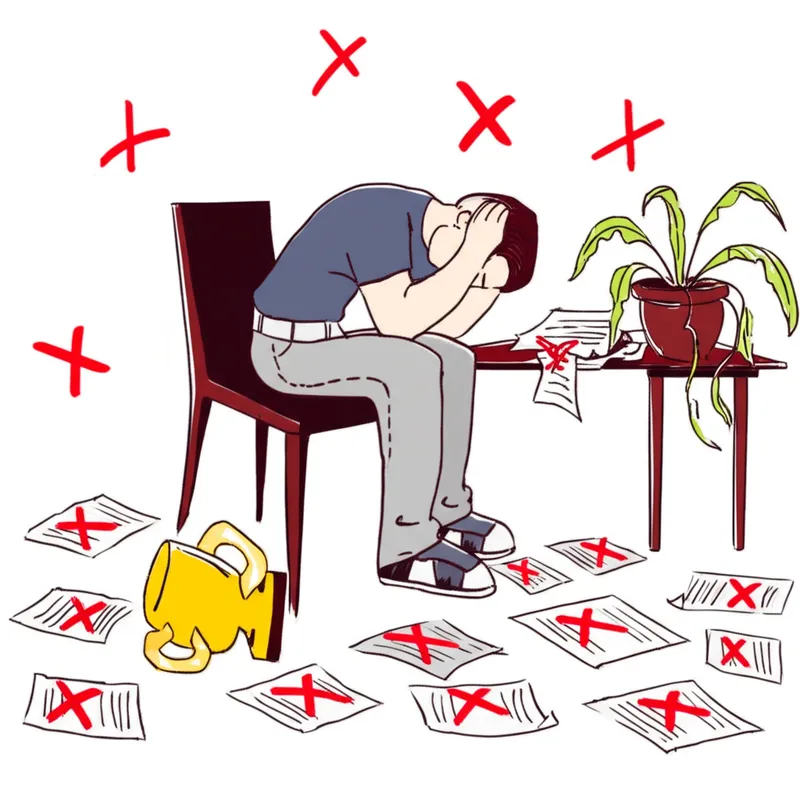





noun🔗Share유감, 원통함, 억울함Distress of mind caused by a failure of aims or plans, want of appreciation, mistakes etc; vexation or mortification."To her chagrin, Maria realized she had forgotten to turn in her homework, and now it was too late. "마리아는 유감스럽게도 숙제를 제출하는 것을 잊었다는 것을 깨달았고, 이제 너무 늦었다.mindemotionnegativeChat with AIVocabulary GamePractice Reading
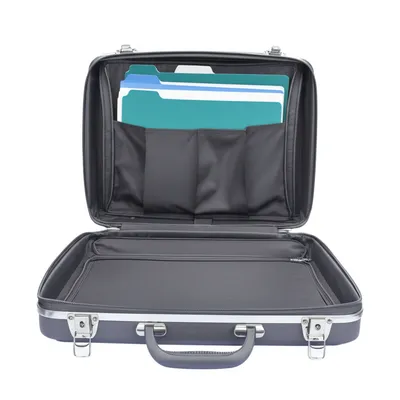
noun🔗Share샤그린A type of leather or skin with a rough surface."The tailor used a thick chagrin for the leather of the new briefcase. "재단사는 새 서류 가방의 가죽에 두꺼운 샤그린을 사용했다.materialChat with AIVocabulary GamePractice Reading
verb🔗Share괴롭히다, 속상하게 하다To bother or vex; to mortify."His poor performance on the math test chagrined his parents. "수학 시험에서 그의 저조한 성적은 부모님을 속상하게 했다.emotionattitudecharactermindChat with AIVocabulary GamePractice Reading
verb🔗Share괴롭히다, 짜증나게 하다To be vexed or annoyed."My brother chagrined when he failed his math test again. "내 동생은 수학 시험에 또 떨어지자 짜증이 났다.emotionattitudeChat with AIVocabulary GamePractice Reading
adjective🔗Share유감스러운, 분한Feeling chagrin; annoyed; vexed, fretful."The student felt chagrin at receiving such a low grade on the history test. "그 학생은 역사 시험에서 낮은 점수를 받아서 유감스러워했다.emotionattitudenegativeChat with AIVocabulary GamePractice Reading