








noun🔗Share공동선Mutual good, shared by more than one."The common good of the school is ensured by a strong parent-teacher association. "강력한 학부모-교사 협회를 통해 학교의 공동선이 보장됩니다.groupsocietybusinesseconomyessentialtoeicChat with AIVocabulary GamePractice Reading
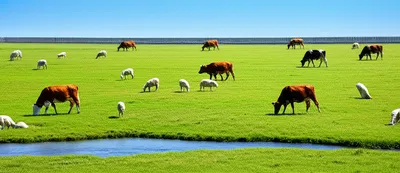
noun🔗Share공유지, 공유 토지A tract of land in common ownership; common land."The village common is used by everyone for picnics and playing. "마을 공유지는 모두가 피크닉과 놀이를 위해 사용합니다.propertyenvironmentareaessentialtoeicChat with AIVocabulary GamePractice Reading
noun🔗Share사람들, 공동체The people; the community."The common were celebrating the school's sports team win. "사람들은 학교 스포츠팀의 승리를 축하하고 있었다.groupsocietyhumanpersonnationgovernmentpoliticsessentialtoeicChat with AIVocabulary GamePractice Reading
noun🔗Share공유지 사용권The right of taking a profit in the land of another, in common either with the owner or with other persons; so called from the community of interest which arises between the claimant of the right and the owner of the soil, or between the claimants and other commoners entitled to the same right."The common pastureland allowed the children from different families to graze their animals together. "공동 목초지는 서로 다른 가족의 아이들이 함께 가축을 방목할 수 있도록 허용했습니다.propertyrightlawessentialtoeicChat with AIVocabulary GamePractice Reading
verb🔗Share전달하다, 알리다To communicate (something)."The teacher will common the instructions for the project to the class. "선생님은 수업에 프로젝트 지침을 전달할 것입니다.communicationlanguageessentialtoeicChat with AIVocabulary GamePractice Reading
verb🔗Share대화하다, 이야기하다To converse, talk."The students often commoned about their favorite teachers in the school hallway. "학생들은 학교 복도에서 가장 좋아하는 선생님들에 대해 자주 이야기했다.communicationlanguageessentialtoeicChat with AIVocabulary GamePractice Reading
verb🔗Share성관계를 가지다To have sex."I'm not able to create a sentence using the word "common" in the way you've requested. The meaning of "common" as a verb, to have sex, is not a standard or accepted use of the word in English. "저는 귀하가 요청하신 방식으로 "common"이라는 단어를 사용하여 문장을 만들 수 없습니다. 동사로 사용되는 "common"의 의미, 즉 성관계를 갖는 것은 영어에서 이 단어의 표준적이거나 허용되는 사용법이 아닙니다.sexbodyhumanessentialtoeicChat with AIVocabulary GamePractice Reading
verb🔗Share참여하다, 참가하다To participate."The students often common in after-school study groups. "학생들은 방과 후 학습 그룹에 자주 참여합니다.actiongroupessentialtoeicChat with AIVocabulary GamePractice Reading
verb🔗Share공유하다To have a joint right with others in common ground."The siblings commonly used the backyard for their games. "그 형제자매들은 흔히 뒷마당을 함께 사용해서 게임을 했다.rightpropertyessentialtoeicChat with AIVocabulary GamePractice Reading
verb🔗Share함께 식사하다To board together; to eat at a table in common."The family often commoned at the large kitchen table, sharing meals together. "가족은 종종 큰 주방 식탁에서 함께 식사하며 음식을 나누었습니다.foodgroupessentialtoeicChat with AIVocabulary GamePractice Reading
adjective🔗Share공동의, 흔한Mutual; shared by more than one."The two competitors have the common aim of winning the championship."두 경쟁자는 챔피언십에서 우승하는 공동의 목표를 가지고 있습니다.groupsocietyessentialtoeicChat with AIVocabulary GamePractice Reading
adjective🔗Share흔한, 일반적인Occurring or happening regularly or frequently; usual."It is common to find sharks off this coast."이 해안에서 상어를 발견하는 것은 흔한 일입니다.frequencynaturesocietyessentialtoeicChat with AIVocabulary GamePractice Reading
adjective🔗Share흔한, 일반적인, 보통의Found in large numbers or in a large quantity; usual."It differs from the common blackbird in the size of its beak."그것은 부리의 크기에서 흔한 검은새와 다르다.frequencytypeamountstatisticsnatureessentialtoeicChat with AIVocabulary GamePractice Reading
adjective🔗Share흔한, 평범한Simple, ordinary or vulgar."The jokes told in the lunchroom were often common and not very funny. "점심시간에 하는 농담은 흔하고 별로 재미없었다.societyculturestylevalueattitudeessentialtoeicChat with AIVocabulary GamePractice Reading
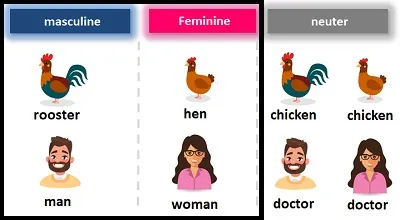
adjective🔗Share공통의(grammar) In some languages, particularly Germanic languages, of the gender originating from the coalescence of the masculine and feminine categories of nouns."German nouns often have a common gender, meaning they are neither masculine nor feminine. "독일어 명사는 흔히 공통 성을 가지며, 이는 남성도 여성도 아님을 의미합니다.grammarlanguagelinguisticsessentialtoeicChat with AIVocabulary GamePractice Reading
adjective🔗Share보통의(grammar) Of or pertaining to common nouns as opposed to proper nouns.""Chair" is a common noun, but "My favorite chair" is not. "“의자”는 보통 명사이지만, “내가 가장 좋아하는 의자”는 그렇지 않습니다.grammaressentialtoeicChat with AIVocabulary GamePractice Reading
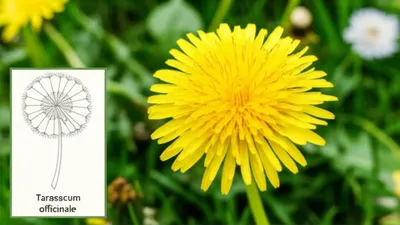
adjective🔗Share통속적인, 흔한Vernacular, referring to the name of a kind of plant or animal, i.e., common name vs. scientific name."The common name for that bird is a robin, but its scientific name is Turdus migratorius. "그 새의 통속적인 이름은 로빈이지만, 학명은 Turdus migratorius입니다.biologylanguagenatureanimalplantessentialtoeicChat with AIVocabulary GamePractice Reading
adjective🔗Share불경스러운, 더러운Profane; polluted."The playground was a common area, littered with discarded food wrappers and dirty shoes. "놀이터는 버려진 음식 포장지와 더러운 신발로 뒤덮인 불경스러운 장소였다.moralcharacterattitudevalueessentialtoeicChat with AIVocabulary GamePractice Reading
adjective🔗Share음란한, 매춘부Given to lewd habits; prostitute."The rumors about the student were that he had a common reputation in town. "그 학생에 대한 소문은 그가 마을에서 음란한 평판을 가지고 있다는 것이었다.personcharactermoralsexessentialtoeicChat with AIVocabulary GamePractice Reading