































noun🔗Share파티, 축하, 사교 행사A party, celebration, social function."We’re having a bit of a do on Saturday to celebrate my birthday."우리는 토요일에 내 생일을 축하하기 위해 작은 파티를 열 거예요.entertainmenteventgroupsocietytraditioncultureessentialChat with AIVocabulary GamePractice Reading
noun🔗Share머리 모양A hairdo."Nice do!"머리 모양 예쁘네요!appearancestyleessentialChat with AIVocabulary GamePractice Reading
noun🔗Share해야 하거나 할 수 있는 것Something that can or should be done (usually in the phrase dos and don'ts)."The teacher wrote a list of dos and don'ts for the school play. "선생님은 학교 연극을 위해 해야 할 일과 하지 말아야 할 일 목록을 작성했습니다.actionmoralvalueessentialChat with AIVocabulary GamePractice Reading
noun🔗Share행위, 행동A deed; an act."My brother's latest do was impressive; he built a small birdhouse for our backyard. "내 형의 최근 행위는 인상적이었습니다. 그는 우리 뒷마당에 작은 새집을 지었습니다.actionworkachievementessentialChat with AIVocabulary GamePractice Reading
noun🔗Share소동, 혼란, 야단법석Ado; bustle; stir; to-do; A period of confusion or argument."The do surrounding Sarah's birthday party was enormous; everyone was arguing about the cake flavor. "사라의 생일 파티를 둘러싼 소동이 엄청났고, 모두가 케이크 맛에 대해 다투고 있었다.actioneventsituationperiodessentialChat with AIVocabulary GamePractice Reading
noun🔗Share사기꾼, 속이는 사람A cheat; a swindler."The student was accused of being a do, because he cheated on the exam. "그 학생은 시험에서 부정행위를 했기 때문에 사기꾼으로 고발되었다.personcharactermoralbusinessessentialChat with AIVocabulary GamePractice Reading
noun🔗Share사기, 속임수An act of swindling; a fraud or deception."The company's new investment plan was a blatant do, designed to trick investors out of their money. "회사의 새로운 투자 계획은 투자자들을 속여 돈을 빼앗기 위한 노골적인 사기였다.actionbusinesseconomylawmoralessentialChat with AIVocabulary GamePractice Reading
verb🔗Share하다(auxiliary) A syntactic marker."My sister does enjoy reading historical novels. "내 여동생은 역사 소설 읽는 것을 정말 좋아한다.grammarlinguisticsessentialChat with AIVocabulary GamePractice Reading
verb🔗Share하다, 수행하다To perform; to execute."All you ever do is surf the Internet. What will you do this afternoon?"너는 항상 인터넷 서핑만 해. 오늘 오후에는 뭐 할 거야?actionworkprocessessentialChat with AIVocabulary GamePractice Reading
verb🔗Share하게 하다, 시키다To cause, make (someone) (do something)."The teacher did the students practice more difficult math problems. "선생님은 학생들이 더 어려운 수학 문제를 연습하게 했다.actionlanguageessentialChat with AIVocabulary GamePractice Reading
verb🔗Share충분하다To suffice."it’s not the best broom, but it will have to do; this will do me, thanks."최고의 빗자루는 아니지만 충분할 거예요. 이걸로 충분해요, 고마워요.functionessentialChat with AIVocabulary GamePractice Reading
verb🔗Share합당하다, 괜찮다To be reasonable or acceptable."It simply will not do to have dozens of children running around such a quiet event."그렇게 조용한 행사에서 수십 명의 아이들이 뛰어다니는 것은 합당하지 않습니다.valuemoralattitudeessentialChat with AIVocabulary GamePractice Reading
verb🔗Share야기하다, 일으키다(ditransitive) To have (as an effect)."The fresh air did him some good."신선한 공기가 그에게 좋은 영향을 미쳤다.outcomeactionessentialChat with AIVocabulary GamePractice Reading
verb🔗Share하다, 해내다To fare, perform (well or poorly)."My sister did poorly on her math test. "내 여동생은 수학 시험을 망쳤어.actionachievementessentialChat with AIVocabulary GamePractice Reading
verb🔗Share하다(chiefly in questions) To have as one's job."What does your sister do for a living? "언니는 직업이 뭐예요?jobworkessentialChat with AIVocabulary GamePractice Reading
verb🔗Share하다, 수행하다To perform the tasks or actions associated with (something)."My sister does her homework every evening. "내 여동생은 매일 저녁 숙제를 한다.actionworkessentialChat with AIVocabulary GamePractice Reading
verb🔗Share요리하다To cook."My mother will do the lasagna tonight. "우리 엄마는 오늘 밤 라자냐를 요리할 것이다.foodutensilactionessentialChat with AIVocabulary GamePractice Reading
verb🔗Share여행하다, 순회하다To travel in, to tour, to make a circuit of."Let’s do New York also."뉴욕도 여행하자.actionessentialChat with AIVocabulary GamePractice Reading
verb🔗Share하다, 처리하다To treat in a certain way."The teacher will do the students' work differently next week to help them improve. "선생님은 학생들이 향상될 수 있도록 다음 주에 학생들의 과제를 다르게 처리할 것입니다.actionwayessentialChat with AIVocabulary GamePractice Reading
verb🔗Share하다, 돌보다To work for or on, by way of caring for, looking after, preparing, cleaning, keeping in order, etc."My mother does the laundry every Saturday morning. "우리 엄마는 매주 토요일 아침에 세탁을 한다.jobworkactionserviceessentialChat with AIVocabulary GamePractice Reading
verb🔗Share하다, 행동하다To act or behave in a certain manner; to conduct oneself."My brother does his homework diligently every night. "내 동생은 매일 밤 부지런히 숙제를 합니다.actionwayessentialChat with AIVocabulary GamePractice Reading
verb🔗Share감옥에서 시간을 보내다To spend (time) in jail. (See also do time)"I did five years for armed robbery."나는 무장 강도로 5년을 감옥에서 보냈다.lawpoliceactionessentialChat with AIVocabulary GamePractice Reading
verb🔗Share연기하다, 묘사하다To impersonate or depict."They really laughed when he did Clinton, with a perfect accent and a leer."그들은 그가 완벽한 억양과 음흉한 표정으로 클린턴을 연기했을 때 정말 웃었다.entertainmentartstylecultureessentialChat with AIVocabulary GamePractice Reading
verb🔗Share따라 하다, 흉내 내다(with 'a' and the name of a person, place, event, etc.) To copy or emulate the actions or behaviour that is associated with the person or thing mentioned."He did a Henry VIII and got married six times."그는 헨리 8세처럼 행동했고 여섯 번 결혼했다.cultureentertainmentstyleactiontraditionessentialChat with AIVocabulary GamePractice Reading
verb🔗Share죽이다, 살해하다To kill."The hunter vowed to do the deer, but thankfully, it escaped. "사냥꾼은 사슴을 죽이겠다고 맹세했지만, 다행히도 도망쳤다.actioninhumanessentialChat with AIVocabulary GamePractice Reading
verb🔗Share처리하다, 끝내다, 망치다, 파멸시키다To deal with for good and all; to finish up; to undo; to ruin; to do for."The heavy rain did for my carefully planned outdoor picnic. "폭우로 인해 내가 신중하게 계획한 야외 피크닉이 망가졌다.actionoutcomeessentialChat with AIVocabulary GamePractice Reading
verb🔗Share처벌하다, 벌하다To punish for a misdemeanor."He got done for speeding."그는 과속으로 처벌받았다.lawpoliceessentialChat with AIVocabulary GamePractice Reading
verb🔗Share성관계를 가지다To have sex with. (See also do it)"My brother said he would do it with Sarah later. "내 형은 나중에 사라와 성관계를 가질 거라고 말했어.sexactionhumanessentialChat with AIVocabulary GamePractice Reading
verb🔗Share속이다, 사기치다To cheat or swindle."That guy just did me out of two hundred bucks!"저 남자가 나에게서 200달러를 사기쳤어!businesseconomyfinancemoralessentialChat with AIVocabulary GamePractice Reading
verb🔗Share바꾸다, 번역하다To convert into a certain form; especially, to translate."The teacher asked us to do the story into English. "선생님은 우리에게 그 이야기를 영어로 번역하라고 요청했다.languagelinguisticsessentialChat with AIVocabulary GamePractice Reading
verb🔗Share끝내다, 마치다To finish."Please do your homework before dinner. "저녁 식사 전에 숙제를 끝내세요.actionachievementessentialChat with AIVocabulary GamePractice Reading
verb🔗Share가정부로 일하다To work as a domestic servant (with for)."My grandmother used to do for several families in the 1950s. "우리 할머니는 1950년대에 여러 가족을 위해 가정부로 일하셨어요.jobworkessentialChat with AIVocabulary GamePractice Reading
verb🔗Share동사의 현재 진행형을 만들 때 사용(auxiliary) Used to form the present progressive of verbs."My sister is doing her homework now. "내 여동생은 지금 숙제를 하고 있어요.grammarlanguageessentialChat with AIVocabulary GamePractice Reading
verb🔗Share지불하다, 현금화하다To cash or to advance money for, as a bill or note."The bank will do the traveler's check for cash. "은행은 여행자 수표를 현금으로 지불할 것입니다.businessfinanceessentialChat with AIVocabulary GamePractice Reading
verb🔗Share만들다, 제공하다(ditransitive) To make or provide."Could you do me a burger with mayonnaise instead of ketchup?"케첩 대신 마요네즈를 넣은 버거를 만들어 주시겠어요?functionutilityessentialChat with AIVocabulary GamePractice Reading
verb🔗Share다치다To injure (one's own body part)."My little brother tripped and did his knee. "내 남동생이 넘어지면서 무릎을 다쳤어.medicinebodyactionessentialChat with AIVocabulary GamePractice Reading
verb🔗Share마약을 하다To take drugs."I do cocaine."나는 코카인을 한다.medicineactionessentialChat with AIVocabulary GamePractice Reading
verb🔗Share있다(in the form be doing [somewhere]) To exist with a purpose or for a reason."The old house on the hill does (exists with a purpose) for the family's memories. "언덕 위의 낡은 집은 가족의 추억을 위해 존재한다.beingactionfunctionessentialChat with AIVocabulary GamePractice Reading
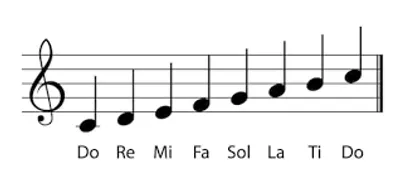
noun🔗Share도A syllable used in solfège to represent the first and eighth tonic of a major scale."The music teacher explained that "do" is the first note of the major scale. "음악 선생님은 "도"가 장음계의 첫 번째 음이라고 설명했다.musiclanguagesoundessentialChat with AIVocabulary GamePractice Reading
adverb🔗Share마찬가지로, 또한As said before, likewise."My brother said he was tired. Do, I was also feeling exhausted. "내 형제는 피곤하다고 말했다. 마찬가지로, 나도 기진맥진했다.languagegrammaressentialChat with AIVocabulary GamePractice Reading