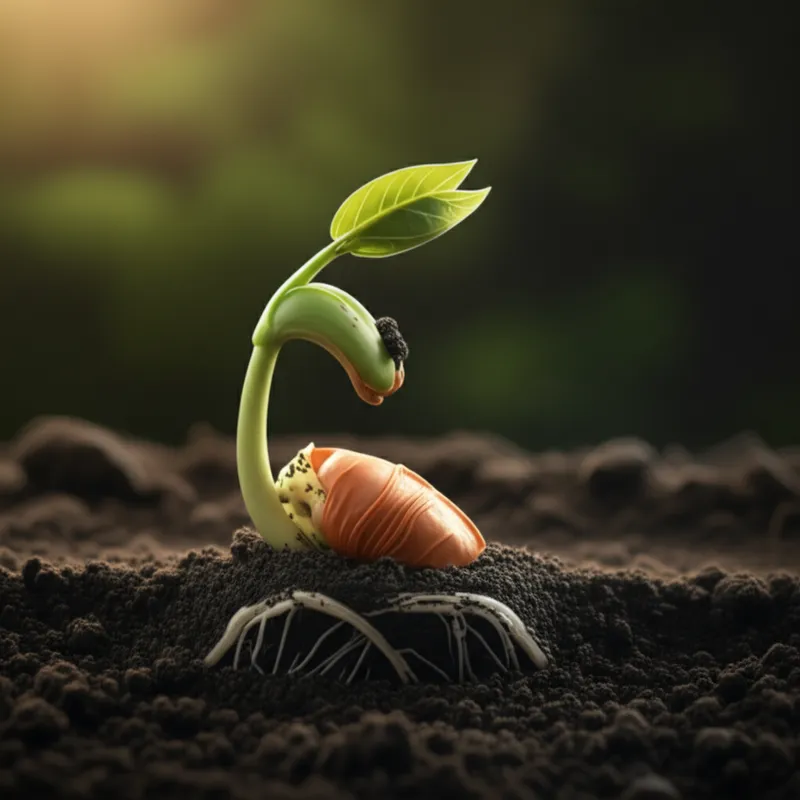
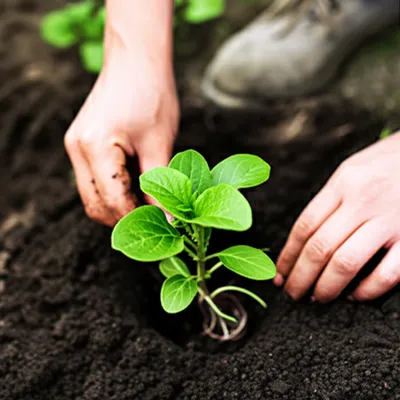
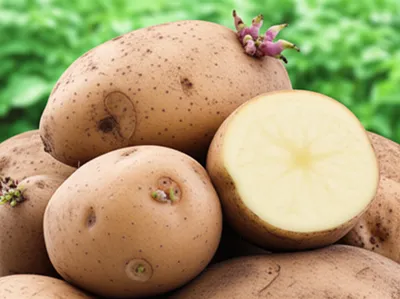
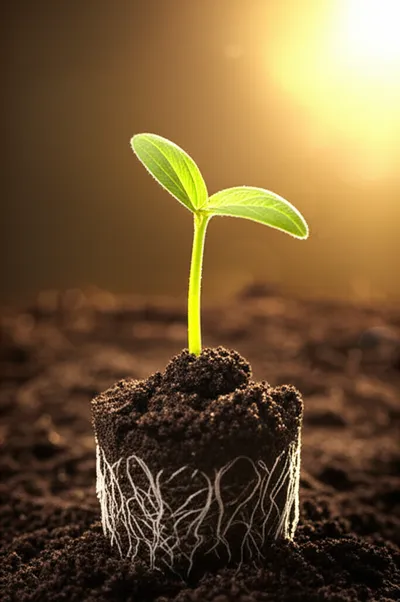
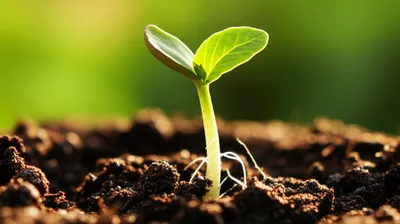
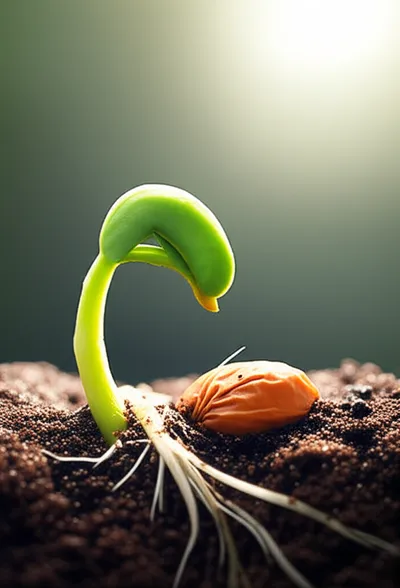
verb 다운로드 🔗공유 싹이 트다, 돋아나다 To sprout; to shoot, as a seed or plant. Examples : "The potatoes, stored in the cool, dark cellar, had already chitted with small white sprouts by the time spring arrived. " 시원하고 어두운 지하실에 보관된 감자는 봄이 올 때쯤 이미 작은 흰색 싹을 내고 있었다. plant agriculture biology seed AI와 채팅어휘 게임독해 연습
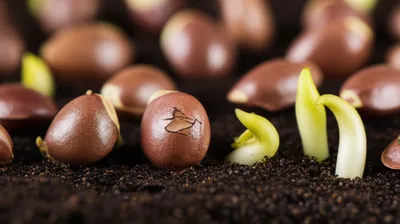
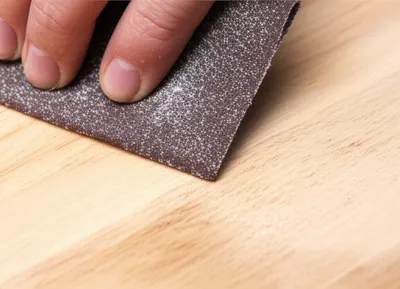
verb 다운로드 🔗공유 발아를 돕기 위해 씨앗의 겉면을 손상시키다 To damage the outer layers of a seed such as Lupinus or Sophora to assist germination. Examples : "The gardener carefully chitted the lupine seeds with sandpaper to help them sprout faster. " 정원사는 루핀 씨앗이 더 빨리 발아하도록 돕기 위해 사포로 씨앗의 겉면을 조심스럽게 손상시켰다. agriculture plant seed biology science AI와 채팅어휘 게임독해 연습
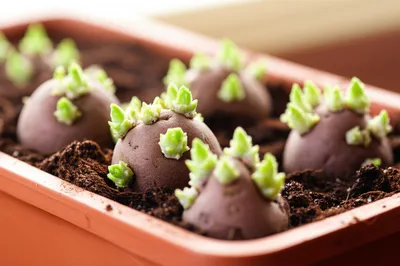
verb 다운로드 🔗공유 싹을 틔우다 To initiate sprouting of tubers, such as potatoes, by placing them in special environment, before planting into the soil. Examples : "Before planting, my grandfather always chitted his seed potatoes in egg boxes, leaving them in a bright, cool room until they sprouted little green shoots. " 심기 전에, 할아버지는 항상 씨감자를 달걀 상자에 넣고 밝고 시원한 방에 두어 작은 녹색 싹이 나올 때까지 싹을 틔우셨다. agriculture plant vegetable biology AI와 채팅어휘 게임독해 연습