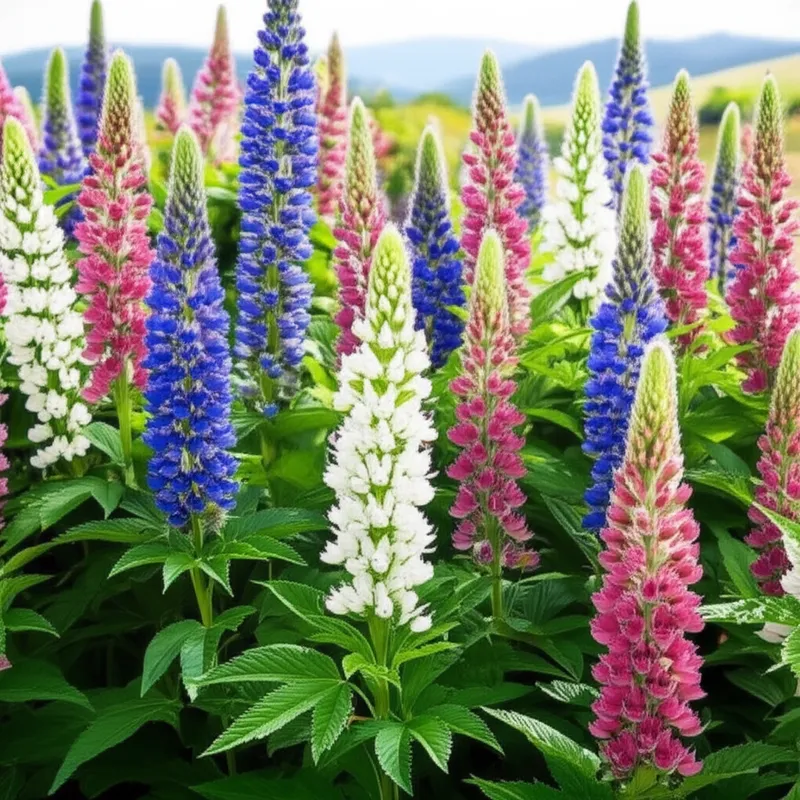

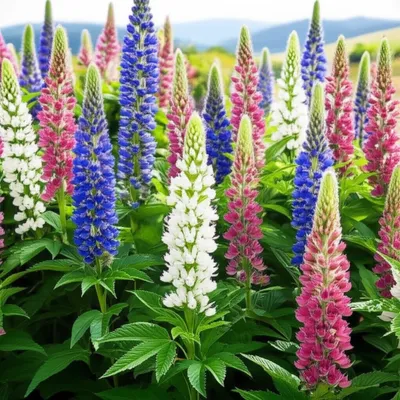

noun🔗Share루피너스Any member of the genus Lupinus in the family Fabaceae."The garden was filled with vibrant lupine, their tall spikes of purple and blue blossoms swaying gently in the breeze. "정원에는 생생한 루피너스가 가득했고, 보라색과 파란색 꽃이 달린 키 큰 꽃대가 산들바람에 부드럽게 흔들리고 있었다.plantbiologynatureChat with AIVocabulary GamePractice Reading
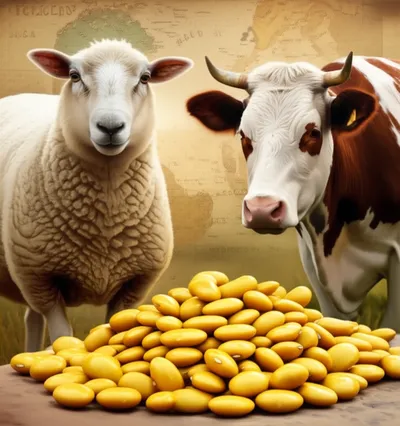
noun🔗Share루핀콩A lupin bean, a yellow legume seed of a Lupinus plant (usually Lupinus luteus), used as feed for sheep and cattle and commonly eaten in the Mediterranean area and in Latin America although toxic if prepared improperly."The farmer carefully sorted the harvest, separating the wheat from the lupine intended as feed for his cattle. "농부는 가축의 사료로 사용될 루핀콩에서 밀을 분리하며 수확물을 조심스럽게 분류했다.vegetablefoodplantagricultureseedChat with AIVocabulary GamePractice Reading
adjective🔗Share늑대의, 늑대 같은Of, or pertaining to, the wolf."The dog, a husky mix, had a decidedly lupine appearance with its thick fur and intense, wolf-like gaze. "허스키 믹스견인 그 개는 두꺼운 털과 늑대 같은 강렬한 시선으로 분명히 늑대 같은 외모를 가지고 있었다.animalnatureChat with AIVocabulary GamePractice Reading
adjective🔗Share늑대 같은, 늑대의Wolflike; wolfish."The dog's lupine howl echoed through the forest, making the hikers uneasy. "개의 늑대 같은 울부짖음이 숲 속으로 울려 퍼져 등산객들을 불안하게 만들었다.animalnaturecharacterChat with AIVocabulary GamePractice Reading
adjective🔗Share늑대의, 늑대 같은Having the characteristics of a wolf."The stray dog had a lupine appearance, with sharp teeth and a wild, untamed gaze. "그 유기견은 날카로운 이빨과 길들여지지 않은 야생적인 시선으로 늑대 같은 외모를 하고 있었다.animalnaturecharacterChat with AIVocabulary GamePractice Reading
adjective🔗Share탐욕스러운, 게걸스러운Ravenous."After a long hike, the children had a lupine appetite and devoured all the sandwiches. "오랜 하이킹 후에, 아이들은 탐욕스러운 식욕을 보이며 모든 샌드위치를 게걸스럽게 먹었습니다.animalcharacterChat with AIVocabulary GamePractice Reading