



noun🔗Share신뢰, 믿음, 신용Acceptance of a belief or claim as true, especially on the basis of evidence."Based on the scientific data, I give credence to this hypothesis."과학적 데이터를 바탕으로, 나는 이 가설을 신뢰합니다.philosophytheorymindattitudescienceChat with AIVocabulary GamePractice Reading
noun🔗Share신뢰, 증거Credential or supporting material for a person or claim."The teacher asked for credence to support her claim that the student had cheated on the test; the student provided a note from her mother as credence. "선생님은 학생이 시험에서 부정행위를 했다는 주장을 뒷받침할 증거를 요구했고, 학생은 어머니의 메모를 증거로 제출했다.theoryphilosophycommunicationstatementvalueChat with AIVocabulary GamePractice Reading
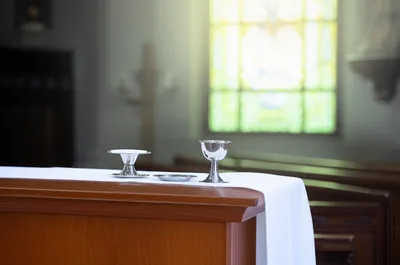
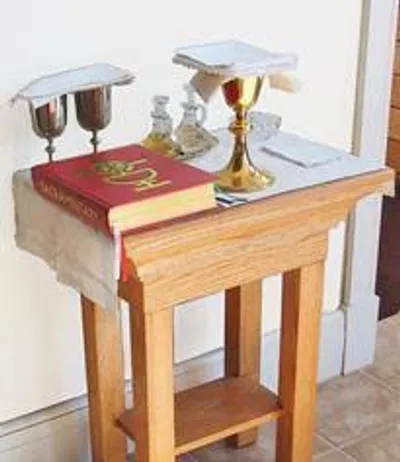
noun🔗Share크레덴셜A small table or credenza used in certain Christian religious services."The priest placed the offerings on the small credence table before the altar. "신부는 제단 앞에 있는 작은 크레덴셜 테이블에 제물을 놓았다.religionritualtheologyChat with AIVocabulary GamePractice Reading
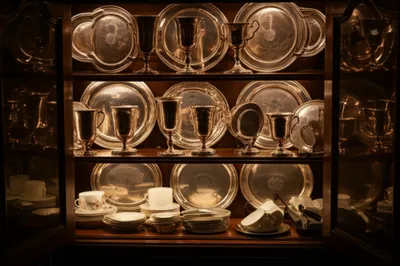
noun🔗Share찬장, 진열장A cupboard, sideboard, or cabinet, particularly one intended for the display of rich vessels or plate on open shelves."The antique credence in the dining room held beautiful china, perfect for showcasing the family's heirlooms. "식당에 있는 앤티크 찬장에는 아름다운 도자기가 놓여 있었고, 가족의 가보를 전시하기에 완벽했습니다.architectureutensilitembuildingChat with AIVocabulary GamePractice Reading
verb🔗Share믿다, 신뢰하다To give credence to; to believe."The teacher didn't give credence to the student's excuse for missing class. "선생님은 수업에 결석한 학생의 변명을 믿지 않았다.mindphilosophyattitudeChat with AIVocabulary GamePractice Reading