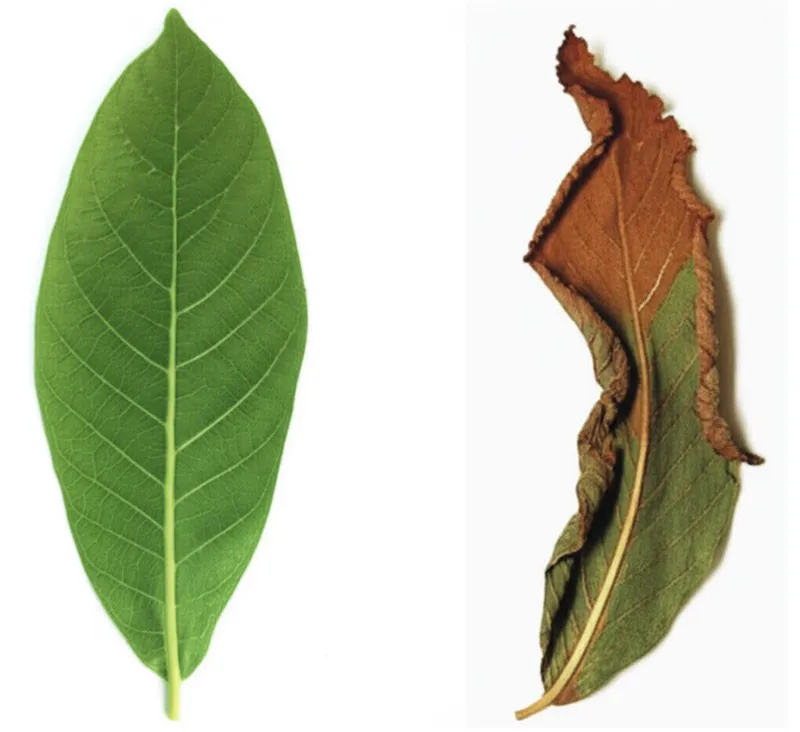

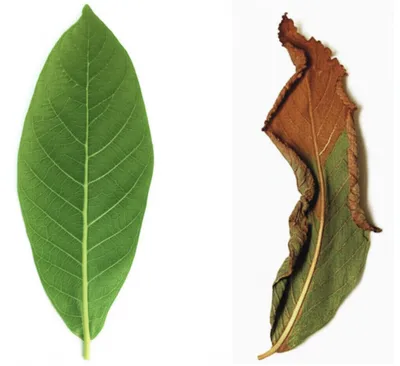




noun🔗Share질병, 병An abnormal condition of a human, animal or plant that causes discomfort or dysfunction; distinct from injury insofar as the latter is usually instantaneously acquired."The tomato plants had some kind of disease that left their leaves splotchy and fruit withered."토마토 식물은 잎에 얼룩이 생기고 열매가 시들어 버리는 일종의 질병에 걸렸다.diseasemedicinephysiologyorganismbodyconditionbiologysufferinganatomyessentialtoeflChat with AIVocabulary GamePractice Reading
noun🔗Share병폐, 폐해(by extension) Any abnormal or harmful condition, as of society, people's attitudes, way of living etc."The current political climate is a worrying disease in our society, affecting relationships and trust. "현재의 정치적 환경은 우리 사회의 관계와 신뢰에 영향을 미치는 우려스러운 병폐입니다.diseaseconditionsocietymindattitudesufferingnegativeessentialtoeflChat with AIVocabulary GamePractice Reading
noun🔗Share불안, 불편, 고통Lack of ease; uneasiness; trouble; vexation; disquiet."The long drive home caused a disease of impatience in the car. "집으로 가는 긴 운전은 차 안에서 조바심의 고통을 유발했다.medicineconditiondiseasebodyessentialtoeflChat with AIVocabulary GamePractice Reading
verb🔗Share괴롭히다, 짜증나게 하다To cause unease; to annoy, irritate."The noisy construction next door is really diseasing me; I can't concentrate on my work. "옆집의 시끄러운 공사가 정말 저를 짜증나게 해요. 저는 제 일에 집중할 수가 없어요.mindsensationessentialtoeflChat with AIVocabulary GamePractice Reading
verb🔗Share병에 걸리게 하다, 감염시키다To infect with a disease."The flu virus easily diseases children in the classroom. "독감 바이러스는 교실에서 아이들을 쉽게 감염시킨다.diseasemedicinebiologyvirusorganismessentialtoeflChat with AIVocabulary GamePractice Reading