



adjective🔗Share최근의, 새로운Having happened a short while ago."My sister got a new job at the bakery; it's a recent development. "내 여동생은 빵집에서 새 직장을 얻었습니다. 최근의 일입니다.timehistoryessentialtoeicChat with AIVocabulary GamePractice Reading
adjective🔗Share최신의, 현대적인Up-to-date; not old-fashioned or dated."My sister's recent fashion choices are very stylish. "내 여동생의 최근 패션 선택은 매우 세련되었습니다.timenowageessentialtoeicChat with AIVocabulary GamePractice Reading
adjective🔗Share최근의, 새로운Having done something a short while ago that distinguishes them as what they are called."I met three recent graduates at the conference."나는 컨퍼런스에서 최근 졸업한 세 명을 만났습니다.timenowessentialtoeicChat with AIVocabulary GamePractice Reading
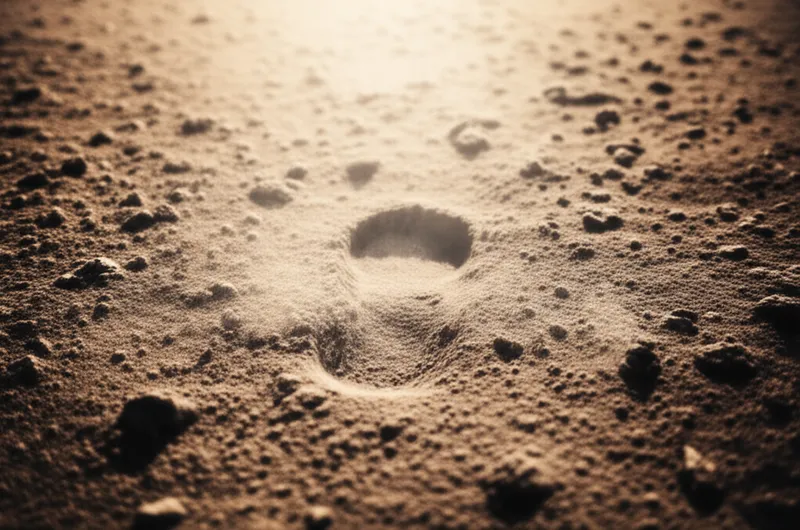
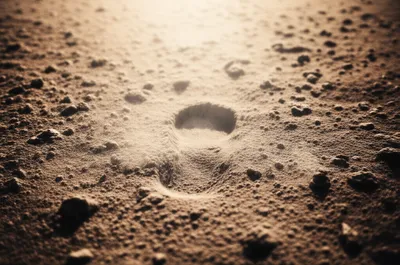
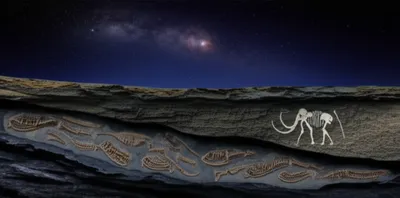
adjective🔗Share최근의Particularly in geology, palaeontology, and astronomy: having occurred a relatively short time ago, but still potentially thousands or even millions of years ago."The recent discovery of a dinosaur footprint in our local park suggests the area was once home to prehistoric animals. "우리 지역 공원에서 최근 공룡 발자국이 발견된 것은 이 지역이 한때 선사 시대 동물들의 서식지였음을 시사합니다.geologyastronomytimeessentialtoeicChat with AIVocabulary GamePractice Reading
adjective🔗Share홀로세의, 특히 21세기 이전의(capitalised as "Recent") Of the Holocene, particularly pre-21st century."The recent history of our family farm shows a significant shift in agricultural practices. "우리 가족 농장의 최근 역사는 농업 관행의 상당한 변화를 보여줍니다.geologytimehistoryessentialtoeicChat with AIVocabulary GamePractice Reading