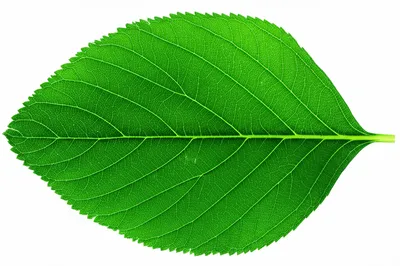
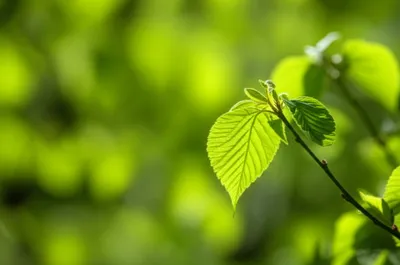
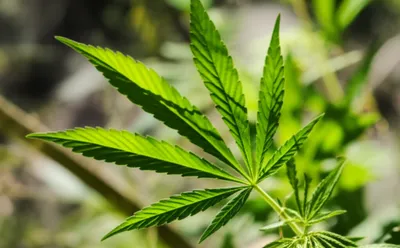
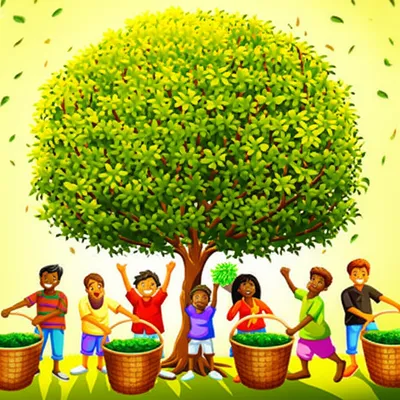
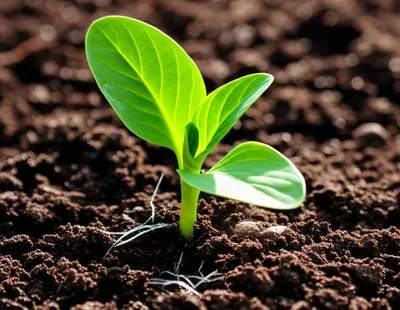
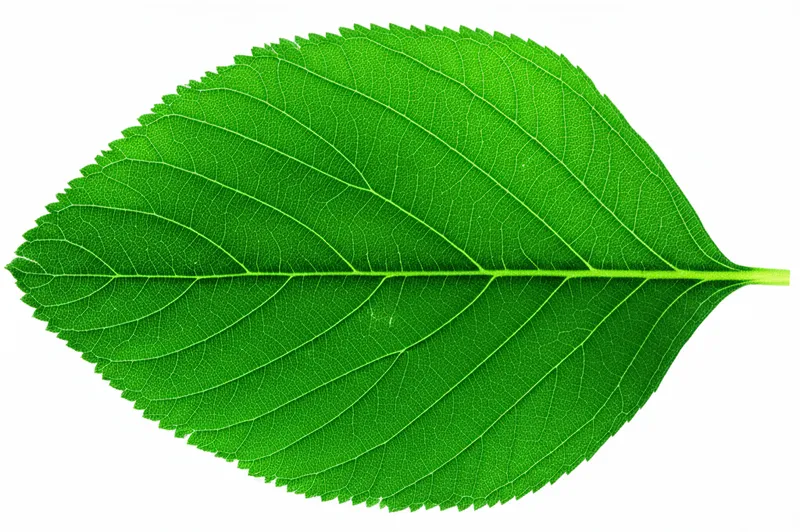
noun 다운로드 🔗공유 잎 The usually green and flat organ that represents the most prominent feature of most vegetative plants. Examples : "The oak tree's large leaves provided shade for the children playing in the park. " 참나무의 큰 잎은 공원에서 놀고 있는 아이들에게 그늘을 제공했다. plant biology nature organism part vegetable AI와 채팅어휘 게임독해 연습
noun 다운로드 🔗공유 잎 Anything resembling the leaf of a plant. Examples : "The artist used colorful leaves from the garden to decorate the classroom. " 그 예술가는 교실을 장식하기 위해 정원에서 가져온 다채로운 잎을 사용했다. plant part nature biology AI와 채팅어휘 게임독해 연습
noun 다운로드 🔗공유 잎 A sheet of any substance beaten or rolled until very thin. Examples : "gold leaf" 금박 material substance AI와 채팅어휘 게임독해 연습
noun 다운로드 🔗공유 쪽 A sheet of a book, magazine, etc (consisting of two pages, one on each face of the leaf). Examples : "The book had 100 leaves, each containing two pages of information. " 그 책은 100쪽이었고, 각 쪽에는 두 페이지의 정보가 담겨 있었다. literature writing stationery AI와 채팅어휘 게임독해 연습
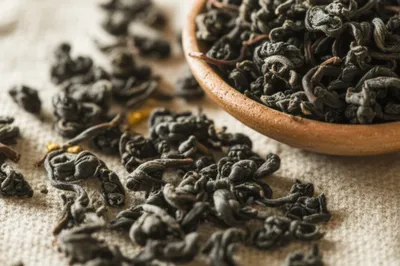
noun 다운로드 🔗공유 찻잎 (in the plural) Tea leaves. Examples : "My grandmother uses tea leaves to tell fortunes. " 우리 할머니는 운세를 보기 위해 찻잎을 사용하신다. drink food AI와 채팅어휘 게임독해 연습
noun 다운로드 🔗공유 테이블 확장판 A flat section used to extend the size of a table. Examples : "The dining room table needed extra space, so we added two leaves. " 식탁에 여유 공간이 필요해서 테이블 확장판 두 개를 추가했습니다. part utensil building AI와 채팅어휘 게임독해 연습
noun 다운로드 🔗공유 판, 잎 A moveable panel, e.g. of a bridge or door, originally one that hinged but now also applied to other forms of movement. Examples : "The train car has one single-leaf and two double-leaf doors per side." 기차 객차는 측면당 단일 판 문 1개와 이중 판 문 2개가 있습니다. architecture part AI와 채팅어휘 게임독해 연습
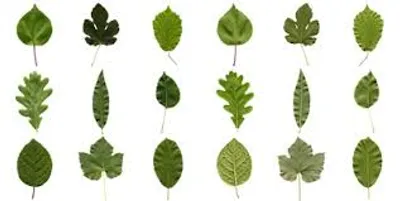
noun 다운로드 🔗공유 잎, 잎사귀 A foliage leaf or any of the many and often considerably different structures it can specialise into. Examples : "The plant's leaves changed color in the fall, showcasing the different shapes and sizes of its foliage. " 식물의 잎은 가을에 색깔이 변했고, 잎의 다양한 모양과 크기를 보여주었다. plant organism nature biology environment part AI와 채팅어휘 게임독해 연습
noun 다운로드 🔗공유 잎 In a tree, a node that has no descendants. Examples : "The family tree diagram showed that my great-grandmother had several leaves, meaning she had no children. " 가계도 다이어그램은 증조할머니에게 여러 잎이 있었고, 이는 그녀에게 자녀가 없었음을 의미했다. biology plant part AI와 채팅어휘 게임독해 연습
noun 다운로드 🔗공유 돼지 잎, 돼지 콩팥 지방 The layer of fat supporting the kidneys of a pig, leaf fat. Examples : "The butcher carefully trimmed the leaves from the pig's kidneys before preparing the roast. " 정육점 주인은 구이를 준비하기 전에 돼지 콩팥에서 돼지 잎을 조심스럽게 잘라냈다. animal body food anatomy organ AI와 채팅어휘 게임독해 연습
noun 다운로드 🔗공유 이빨, 잎 One of the teeth of a pinion, especially when small. Examples : "The tiny leaves of the gear were so small, it was hard to count them all. " 기어의 작은 이빨은 너무 작아서 모두 세기가 어려웠다. technical machine part AI와 채팅어휘 게임독해 연습
noun 다운로드 🔗공유 마리화나, 대마초 Marijuana. Examples : "My friend said he was feeling stressed, so he smoked some leaves. " 내 친구는 스트레스를 받는다고 말해서 마리화나를 피웠다. medicine substance AI와 채팅어휘 게임독해 연습
noun 다운로드 🔗공유 캐나다인 (4chan) A Canadian person. Examples : "My friend told me that the new kid in school is a real leaf. " 내 친구는 학교의 새 아이가 진짜 캐나다인이라고 말했습니다. culture internet person AI와 채팅어휘 게임독해 연습
verb 다운로드 🔗공유 남기다, 초래하다 To have a consequence or remnant. Examples : "His angry words left a bad feeling in the classroom. " 그의 화난 말은 교실에 좋지 않은 감정을 남겼다. outcome AI와 채팅어휘 게임독해 연습
verb 다운로드 🔗공유 떠나다, 나가다 To depart; to separate from. Examples : "The student leaves the classroom after the bell rings. " 학생은 종이 울린 후 교실을 떠난다. action way AI와 채팅어휘 게임독해 연습
verb 다운로드 🔗공유 떠나다, 남기다 To transfer something. Examples : "The teacher leaves the lesson plans for the next class. " 선생님은 다음 수업을 위해 수업 계획을 남깁니다. business economy finance AI와 채팅어휘 게임독해 연습
verb 다운로드 🔗공유 남다, 떠나다 To remain (behind); to stay. Examples : "After the party, many guests left, but my friend left to clean up. " 파티 후, 많은 손님들이 떠났지만, 제 친구는 청소하기 위해 남았습니다. action situation AI와 채팅어휘 게임독해 연습
verb 다운로드 🔗공유 그만두다, 멈추다 To stop, desist from; to "leave off" (+ noun / gerund). Examples : "After the test, the students left off studying for a while. " 시험 후, 학생들은 한동안 공부를 그만두었다. action way process AI와 채팅어휘 게임독해 연습
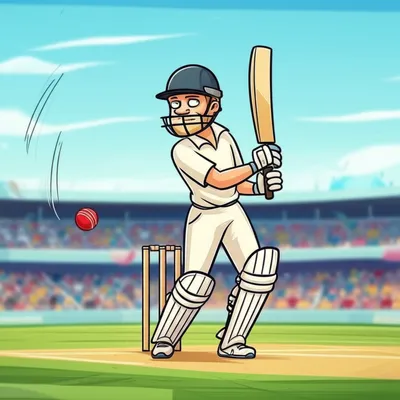
noun 다운로드 🔗공유 타자가 공을 치지 않는 행위 The action of the batsman not attempting to play at the ball. Examples : "The batter's leaves were often the cause of frustration for the coach. " 타자가 공을 치지 않는 행위는 종종 코치의 좌절감을 유발했다. sport action AI와 채팅어휘 게임독해 연습
noun 다운로드 🔗공유 샷 후 남은 공들의 배치 The arrangement of balls in play that remains after a shot is made (which determines whether the next shooter — who may be either the same player, or an opponent — has good options, or only poor ones). Examples : "The leaves after the first player's shot gave the opponent good options for their next turn. " 첫 번째 선수의 샷 후 남은 공들의 배치는 상대방에게 다음 턴을 위한 좋은 선택지를 제공했다. sport game AI와 채팅어휘 게임독해 연습
noun 다운로드 🔗공유 휴가, 결근 허가 Permission to be absent; time away from one's work. Examples : "The teacher granted the student leaves for the week-long family vacation. " 선생님은 학생에게 일주일 간의 가족 휴가를 위한 휴가를 허가했습니다. job time business work AI와 채팅어휘 게임독해 연습
noun 다운로드 🔗공유 허가, 승인 Permission. Examples : "Might I beg leave to accompany you?" 함께 가도 되겠다는 허락을 구해도 될까요? right law AI와 채팅어휘 게임독해 연습
noun 다운로드 🔗공유 작별, 출발 Farewell, departure. Examples : "I took my leave of the gentleman without a backward glance." 나는 뒤돌아보지 않고 그 신사에게 작별을 고했다. action event AI와 채팅어휘 게임독해 연습
verb 다운로드 🔗공유 허락하다, 용납하다 To give leave to; allow; permit; let; grant. Examples : "We were not left go to the beach after school except on a weekend." 우리는 주말을 제외하고는 학교 후에 해변에 가는 것을 허락받지 못했다. action ability right AI와 채팅어휘 게임독해 연습
verb 다운로드 🔗공유 잎이 나다, 잎이 피어나다 To produce leaves or foliage. Examples : "The young oak tree leaves new, green shoots each spring. " 어린 참나무는 매년 봄마다 새롭고 푸른 잎을 낸다. nature plant biology AI와 채팅어휘 게임독해 연습
verb 다운로드 🔗공유 올리다, 징수하다 To raise; to levy. Examples : "The government is leaving a new tax on gasoline. " 정부는 휘발유에 새로운 세금을 부과하고 있습니다. government politics AI와 채팅어휘 게임독해 연습