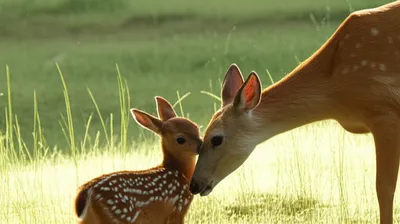
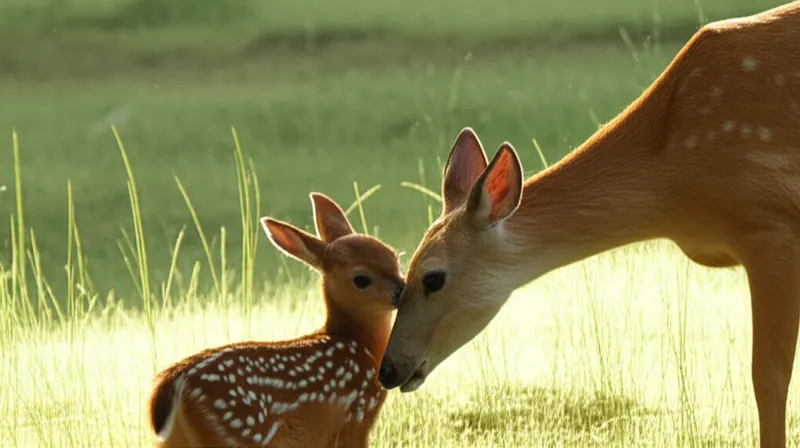
verb 다운로드 🔗공유 아기 사슴을 낳다 To give birth to a fawn. Examples : "The deer, hidden deep in the woods, was fawning, giving birth to her spotted fawn. " 숲 속에 깊숙이 숨어 있던 사슴은 아기 사슴을 낳아 얼룩무늬 아기 사슴을 낳았다. animal biology nature AI와 채팅어휘 게임독해 연습
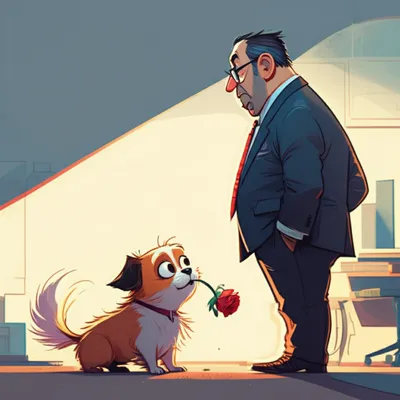
verb 다운로드 🔗공유 아첨하다, 알랑거리다 To exhibit affection or attempt to please. Examples : "The new employee was always fawning over the boss, hoping for a promotion. " 새 직원은 승진을 바라며 항상 사장에게 아첨했다. attitude character human society emotion AI와 채팅어휘 게임독해 연습
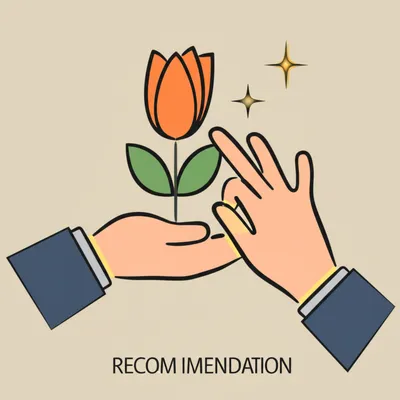
verb 다운로드 🔗공유 아첨하다, 알랑거리다 To seek favour by flattery and obsequious behaviour (with on or upon). Examples : "The intern was constantly fawning over the boss, hoping for a better recommendation letter. " 인턴은 더 나은 추천서를 바라며 끊임없이 상사에게 아첨했다. character attitude human AI와 채팅어휘 게임독해 연습
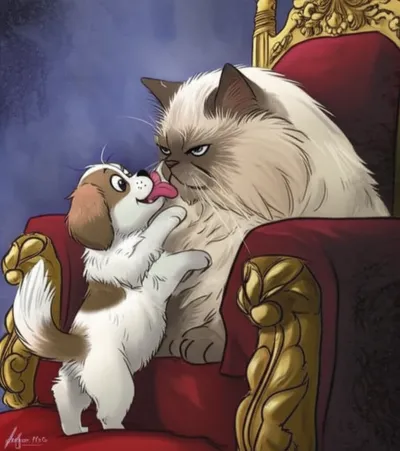
verb 다운로드 🔗공유 아첨하다, 비위를 맞추다 (of a dog) To show devotion or submissiveness by wagging its tail, nuzzling, licking, etc. Examples : "The puppy was fawning at my feet, wagging its tail and licking my ankles, hoping for a treat. " 강아지는 간식을 바라며 꼬리를 흔들고 발목을 핥으며 내 발에 아첨했다. animal AI와 채팅어휘 게임독해 연습
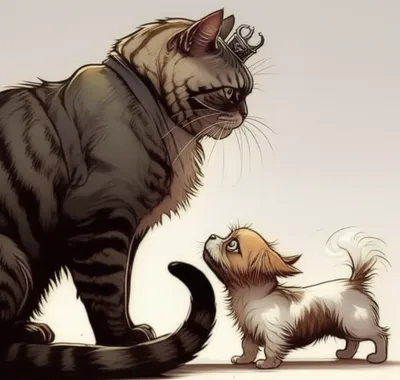
noun 다운로드 🔗공유 아첨, 알랑거림 Servile flattery. Examples : "The fawning of the new employee towards the CEO was excessive and uncomfortable to witness. " 새 직원이 CEO에게 아첨하는 모습은 지나치고 보기에 불편했다. attitude character society human AI와 채팅어휘 게임독해 연습
adjective 다운로드 🔗공유 아첨하는, 알랑거리는 Seeking favor by way of flattery; flattering, servile. Examples : "The new employee's fawning compliments towards the boss made everyone uncomfortable. " 새 직원의 아첨하는 칭찬은 모두를 불편하게 만들었다. attitude character human mind moral society AI와 채팅어휘 게임독해 연습