






noun🔗Share노예(grammar) An element which forms no part of the original root."In the word "unbreakable," the prefix "un-" is a servile, added to the root word "break" to change its meaning. "단어 "unbreakable"에서 접두사 "un-"은 어근 단어 "break"에 추가되어 의미를 변경하는 노예입니다.grammarlanguagelinguisticswordChat with AIVocabulary GamePractice Reading
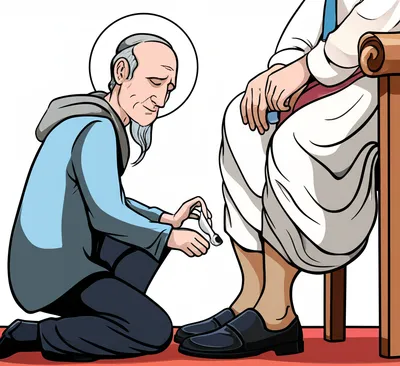
noun🔗Share노예, 하인A slave; a menial."The new student was treated as a servile, doing all the menial tasks for the older students. "새 학생은 노예처럼 취급받으며, 선배들을 위해 모든 잡일을 했다.characterpersonattitudejobChat with AIVocabulary GamePractice Reading
adjective🔗Share노예의, 비굴한Of or pertaining to a slave."The student's servile behavior toward the teacher made his classmates uncomfortable. "학생이 선생님에게 보이는 비굴한 행동은 급우들을 불편하게 만들었다.attitudecharactersocietyhumanmoralChat with AIVocabulary GamePractice Reading
adjective🔗Share굴종적인, 비굴한Submissive or slavish."servile flattery; servile obedience"굴종적인 아첨; 비굴한 복종attitudecharactermoralsocietypersonChat with AIVocabulary GamePractice Reading
adjective🔗Share원래 어근에 속하지 않는(grammar) Not belonging to the original root."a servile letter"원래 어근에 속하지 않는 글자.grammarChat with AIVocabulary GamePractice Reading
adjective🔗Share무음의(grammar) Not sounded, but serving to lengthen the preceding vowel, like the e in tune."The word "alone" has a servile 'e' that lengthens the vowel sound in the first syllable. "단어 "alone"은 첫 음절의 모음 소리를 길게 하는 무음 'e'를 가지고 있습니다.grammarphoneticslanguagelinguisticsChat with AIVocabulary GamePractice Reading