



noun🔗Share호의, 은혜A kind or helpful deed; an instance of voluntarily assisting (someone)."He did me a favor when he took the time to drive me home."그는 나를 집으로 데려다 줄 시간을 내어 호의를 베풀었다.actionaidvaluesocietymoralChat with AIVocabulary GamePractice Reading
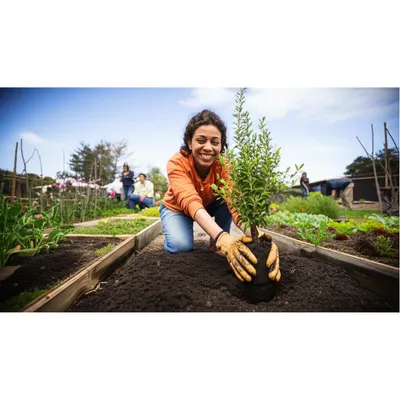
noun🔗Share호의, 은혜Goodwill; benevolent regard."The teacher showed no favour to any student, treating everyone equally. "선생님은 어떤 학생에게도 호의를 보이지 않고 모두를 동등하게 대했습니다.attitudevaluemoralcharacterqualityChat with AIVocabulary GamePractice Reading
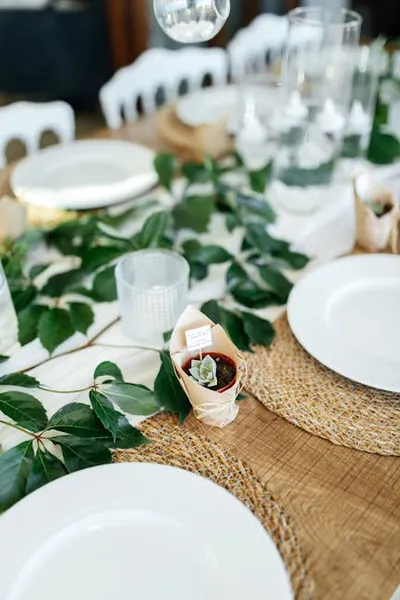
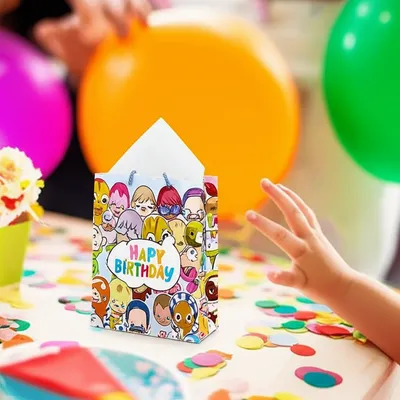
noun🔗Share호의, 선물A small gift; a party favor."A marriage favour is a bunch or knot of white ribbons or white flowers worn at a wedding."결혼 선물은 결혼식에서 착용하는 흰색 리본이나 흰색 꽃의 묶음 또는 매듭입니다.itemcultureentertainmentChat with AIVocabulary GamePractice Reading
noun🔗Share관용, 자비Mildness or mitigation of punishment; lenity."The judge showed favour to the student, reducing the punishment for their late submission. "판사는 학생에게 관용을 베풀어, 제출 지연에 대한 처벌을 줄였다.lawgovernmentChat with AIVocabulary GamePractice Reading
noun🔗Share호의, 은혜The object of regard; person or thing favoured."My youngest niece is definitely my mother's favour. "내 막내 조카는 분명히 우리 엄마가 가장 좋아하는 사람이다.attitudevaluepersonChat with AIVocabulary GamePractice Reading
noun🔗Share외모, 모습, 얼굴Appearance; look; countenance; face."Even in the dim light, I could recognize the familiar favour of my grandmother's face. "어두운 빛 속에서도 나는 할머니의 익숙한 얼굴 모습을 알아볼 수 있었다.appearancebodyhumanChat with AIVocabulary GamePractice Reading
noun🔗Share편애, 편견Partiality; bias."The teacher showed favour to the students who always agreed with her, giving them better grades. "선생님은 항상 그녀에게 동의하는 학생들에게 편애를 보이며 더 좋은 성적을 주었습니다.attitudemoralsocietycharactervalueChat with AIVocabulary GamePractice Reading
noun🔗Share편지, 서신A letter, a written communication."She received a short favour from her aunt, thanking her for the birthday gift. "그녀는 생일 선물에 대해 감사하는 이모로부터 짧은 편지를 받았다.communicationwritingwordChat with AIVocabulary GamePractice Reading
noun🔗Share호의, 은혜Anything worn publicly as a pledge of a woman's favor."He wore a brightly colored ribbon on his sleeve, a favour given to him by the woman he admired. "그는 자신이 존경하는 여성으로부터 받은 호의로 밝은 색 리본을 소매에 달고 다녔다.appearancecultureChat with AIVocabulary GamePractice Reading
noun🔗Share호의, 은혜(in the plural) Lovelocks."The portrait showed the young man with long, dark hair falling to his shoulders, adorned with delicate favours curled near his ears. "초상화는 어깨까지 내려오는 긴 검은 머리를 가진 젊은 남자를 보여주었고, 그의 귀 근처에 섬세하게 말린 호의로 장식되어 있었다.appearancebodyChat with AIVocabulary GamePractice Reading
verb🔗Share찬성하다, 선호하다To look upon fondly; to prefer."My parents always favour my younger sister, but I don't mind. "부모님은 항상 여동생을 더 좋아하지만, 저는 괜찮아요.attitudeemotionvalueChat with AIVocabulary GamePractice Reading
verb🔗Share지지하다, 옹호하다To encourage, conduce to"Good weather favours outdoor activities. "좋은 날씨는 야외 활동을 지지한다.attitudetendencyactionChat with AIVocabulary GamePractice Reading
verb🔗Share호의를 베풀다, 돕다To do a favor [noun sense 1] for; to show beneficence toward."Would you favor us with a poetry reading?"시 낭독으로 저희에게 호의를 베풀어주시겠습니까?aidactionmoralhumansocietyChat with AIVocabulary GamePractice Reading
verb🔗Share호의를 보이다, 편들다To treat with care."Favoring your sore leg will only injure the other one."아픈 다리를 편들면 다른 다리만 다칠 것입니다.attitudeactioncharacterChat with AIVocabulary GamePractice Reading
verb🔗Share닮다(including) To resemble, to look like (another person).""My younger sister favours our mother, especially around the eyes." "내 여동생은 특히 눈 주변이 우리 엄마를 닮았다.appearancefamilypersonChat with AIVocabulary GamePractice Reading