

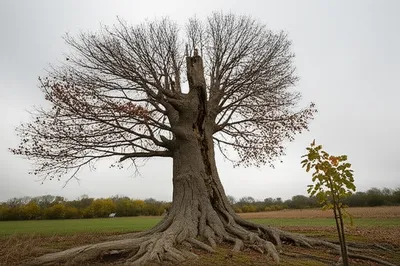


adjective🔗Share더 오래된, 더 늙은Of an object, concept, relationship, etc., having existed for a relatively long period of time."an old abandoned building; an old friend"오래된 버려진 건물; 오래된 친구.agetimeChat with AIVocabulary GamePractice Reading
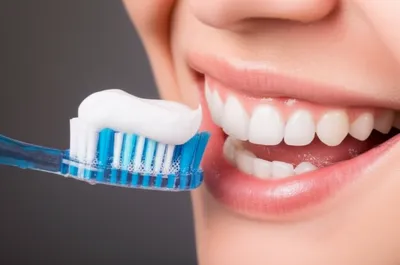
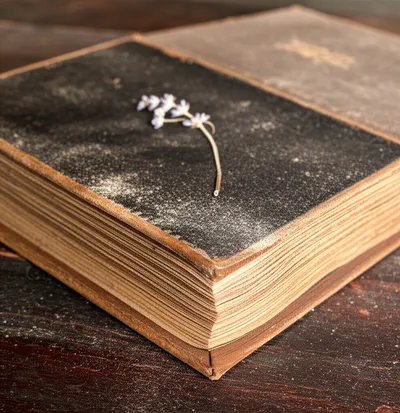
adjective🔗Share오래된, 낡은Having been used and thus no longer new or unused."I find that an old toothbrush is good to clean the keyboard with."오래된 칫솔이 키보드를 청소하는 데 좋다고 생각합니다.agetimequalityChat with AIVocabulary GamePractice Reading
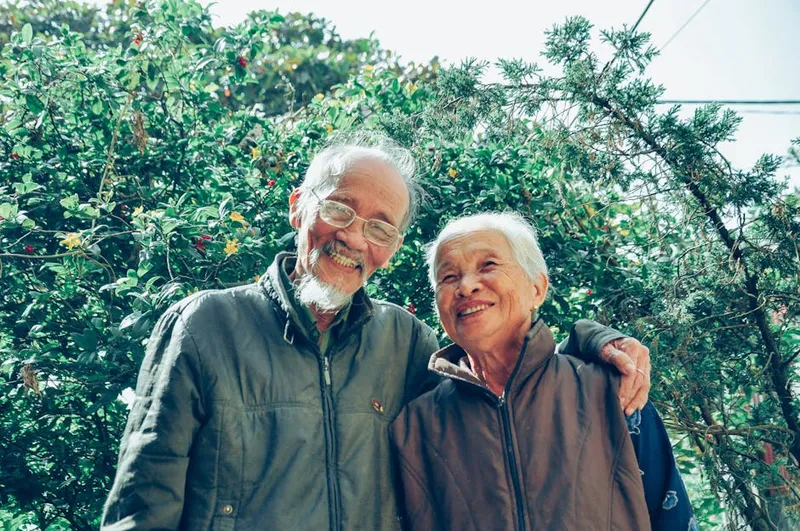
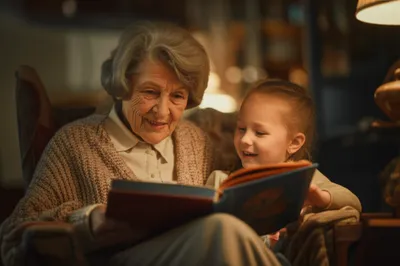
adjective🔗Share더 나이든Having existed or lived for the specified time."My older brother is going to college next year. "내 형은 내년에 대학에 갈 것이다.agetimepersonfamilyChat with AIVocabulary GamePractice Reading
adjective🔗Share더 오래된, 이전의(heading) Of an earlier time."This older model of car doesn't have air conditioning. "이 구형 자동차 모델에는 에어컨이 없습니다.timeagepastChat with AIVocabulary GamePractice Reading
adjective🔗Share지루한, 진부한Tiresome after prolonged repetition."Your constant pestering is getting old."너의 끊임없는 괴롭힘은 이제 지루해지고 있어.ageChat with AIVocabulary GamePractice Reading
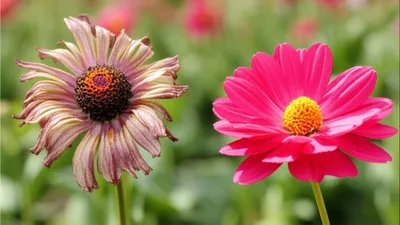
adjective🔗Share바랜, 흐릿한Said of subdued colors, particularly reds, pinks and oranges, as if they had faded over time."The once vibrant red scarf now had an older, faded look after years in the sun. "한때 생생했던 붉은색 스카프는 햇볕에 수년간 노출된 후 바랜 듯한 모습을 보였다.colorappearanceChat with AIVocabulary GamePractice Reading
adjective🔗Share오래된, 낡은A grammatical intensifier, often used in describing something positive. (Mostly in idioms like good old, big old and little old, any old and some old.)"My good old dog loves to play fetch in the park. "나의 사랑스러운 늙은 개는 공원에서 공놀이하는 것을 좋아한다.grammarlanguageChat with AIVocabulary GamePractice Reading
adjective🔗Share더 나이든, 늙은Excessive, abundant."Context: In some dialects, "older" can be used to mean "more" or "excessive," especially with quantities. Sentence: "She added an older amount of sugar to the tea, making it too sweet." "그녀는 차에 더 많은 양의 설탕을 넣어서 너무 달게 만들었다.amountqualityChat with AIVocabulary GamePractice Reading