verb 다운로드 🔗공유 버리다, 유기하다 To abandon, forsake. Examples : "The struggling student felt forlorn by his classmates, who had stopped including him in their study groups. " 어려움을 겪는 학생은 그를 스터디 그룹에 포함하는 것을 멈춘 급우들에게 버려진 느낌을 받았다. emotion character attitude AI와 채팅어휘 게임독해 연습
noun 다운로드 🔗공유 절망적인 희망 A forlorn hope. Examples : "The student's forlorn hope of getting a perfect score on the exam was quickly dashed. " 시험에서 만점을 받으려는 학생의 절망적인 희망은 곧 산산이 부서졌다. emotion situation AI와 채팅어휘 게임독해 연습
noun 다운로드 🔗공유 절망적인 희망의 일원 A member of a forlorn hope. Examples : "The forlorn charged bravely ahead, knowing their mission was likely suicide. " 절망적인 희망의 일원은 그들의 임무가 자살일 가능성이 높다는 것을 알면서도 용감하게 돌진했다. military group AI와 채팅어휘 게임독해 연습
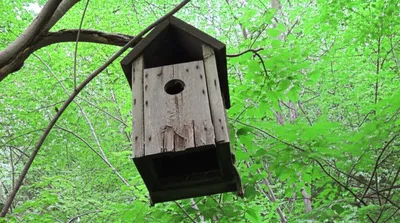
adjective 다운로드 🔗공유 쓸쓸한, 버려진, 고독한 Abandoned, deserted, left behind. Examples : "The old swing set in the empty park looked forlorn, its paint peeling and chains rusting after years of neglect. " 텅 빈 공원의 낡은 그네는 수년간의 방치 끝에 페인트가 벗겨지고 체인이 녹슬면서 쓸쓸해 보였다. emotion character situation soul AI와 채팅어휘 게임독해 연습
adjective 다운로드 🔗공유 쓸쓸한, 고독한 Miserable, as when lonely after being abandoned. Examples : "After her best friend moved away, Sarah felt forlorn and spent most of her time alone in her room. " 가장 친한 친구가 이사 간 후, 사라 는 쓸쓸함을 느껴 방에서 혼자 시간을 보내는 날이 많았다. emotion mind condition AI와 채팅어휘 게임독해 연습
adjective 다운로드 🔗공유 쓸쓸한, 절망적인 Unlikely to succeed; hopeless. Examples : "After failing the exam twice, his chances of graduating on time seemed utterly forlorn. " 그는 시험에 두 번이나 떨어진 후, 제때 졸업할 가능성이 완전히 절망적으로 보였다. attitude emotion character situation negative AI와 채팅어휘 게임독해 연습