









noun🔗Share남자An adult male human."The show is especially popular with middle-aged men."그 쇼는 중년 남성들에게 특히 인기가 많다.humanpersonagebodysexessentialChat with AIVocabulary GamePractice Reading
noun🔗Share인류, 인간(collective) All human males collectively: mankind."Many people believe that man has made great strides in technology over the centuries. "많은 사람들은 인류가 수 세기 동안 기술 분야에서 큰 발전을 이루었다고 믿습니다.humanpersonbeingsexessentialChat with AIVocabulary GamePractice Reading
noun🔗Share사람, 인간A human, a person of either gender, usually an adult. (See usage notes.)"every man for himself"각자 자기 자신을 위해.humanpersonagebeingfamilysexessentialChat with AIVocabulary GamePractice Reading
noun🔗Share인류, 인간(collective) All humans collectively: mankind, humankind, humanity. (Sometimes capitalized as Man.)"Man faces many challenges in adapting to climate change. "인류는 기후 변화에 적응하는 데 많은 어려움에 직면해 있습니다.humanpersonbeingsocietyessentialChat with AIVocabulary GamePractice Reading
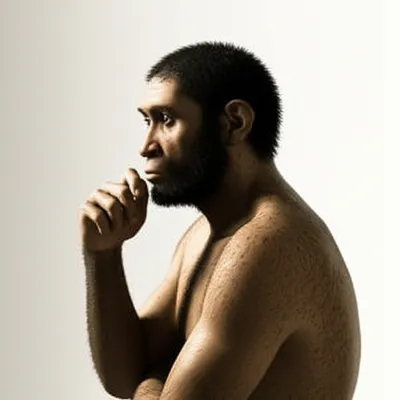
noun🔗Share남자, 사람A member of the genus Homo, especially of the species Homo sapiens."My grandfather, a man of strong character, taught me the value of hard work. "강인한 성격의 나의 할아버지는 나에게 근면의 가치를 가르쳐 주셨다.humanpersonbeingorganismbiologyessentialChat with AIVocabulary GamePractice Reading
noun🔗Share남자, 사람An male person, usually an adult; a (generally adult male) sentient being, whether human, supernatural, elf, alien, etc."My grandfather is a man of great wisdom. "나의 할아버지는 지혜로운 사람입니다.personhumanbeingagesexessentialChat with AIVocabulary GamePractice Reading
noun🔗Share남자An adult male who has, to an eminent degree, qualities considered masculine, such as strength, integrity, and devotion to family; a mensch."My father is a true man, always supportive of his family and dedicated to his work. "우리 아버지는 진정한 남자로서 항상 가족을 지지하고 자신의 일에 헌신합니다.personhumancharacterbeingagebodysocietyfamilyculturemoralqualityessentialChat with AIVocabulary GamePractice Reading
noun🔗Share남자다움, 씩씩함Manliness; the quality or state of being manly."His man was evident in his willingness to help his younger sister with her homework. "그의 남자다움은 여동생의 숙제를 기꺼이 도와주려는 마음에서 드러났다.humanqualityessentialChat with AIVocabulary GamePractice Reading
noun🔗Share남편A husband."My sister's man is a teacher at the high school. "내 여동생의 남편은 고등학교 선생님입니다.familyhumanpersonessentialChat with AIVocabulary GamePractice Reading
noun🔗Share애인, 남자 친구A lover; a boyfriend."My sister's new man is a kind and helpful young man. "내 여동생의 새 남자 친구는 친절하고 도움이 되는 젊은 남자입니다.personhumanfamilysexessentialChat with AIVocabulary GamePractice Reading
noun🔗Share광, 팬A male enthusiast or devotee; a male who is very fond of or devoted to a specified kind of thing. (Used as the last element of a compound.)"Some people prefer apple pie, but me, I’m a cherry pie man."어떤 사람들은 사과 파이를 좋아하지만, 나는 체리 파이 광이야.personhumancompoundessentialChat with AIVocabulary GamePractice Reading
noun🔗Share사람A person, usually male, who has duties or skills associated with a specified thing. (Used as the last element of a compound.)"I wanted to be a guitar man on a road tour, but instead I’m a flag man on a road crew."나는 로드 투어에서 기타맨이 되고 싶었지만, 대신 도로 작업반의 신호수입니다.personjobcompoundessentialChat with AIVocabulary GamePractice Reading
noun🔗Share남자A person, usually male, who can fulfill one's requirements with regard to a specified matter."My father is the man for fixing leaky faucets; he always gets the job done right. "우리 아버지는 새는 수도꼭지를 고치는 남자입니다. 그는 항상 일을 제대로 처리합니다.personhumanbeingessentialChat with AIVocabulary GamePractice Reading
noun🔗Share남자, 구성원A male who belongs to a particular group: an employee, a student or alumnus, a representative, etc."The new man on the sales team is very enthusiastic. "영업팀의 새 구성원은 매우 열정적입니다.humanpersonjoborganizationgroupessentialChat with AIVocabulary GamePractice Reading
noun🔗Share하인, 종An adult male servant."The headmaster hired a man to help maintain the school grounds. "교장은 학교 부지를 관리하는 데 도움을 줄 하인을 고용했다.humanpersonjobserviceessentialChat with AIVocabulary GamePractice Reading
noun🔗Share봉신, 신하A vassal; a subject."Like master, like man."주인 닮은 봉신.governmentpoliticsstatepersonhumanhistoryessentialChat with AIVocabulary GamePractice Reading
noun🔗Share말, 폰A piece or token used in board games such as chess."I moved the black man on the chessboard to capture the opponent's queen. "나는 상대방의 퀸을 잡기 위해 체스판에서 검은 말을 움직였다.gameitemessentialChat with AIVocabulary GamePractice Reading
noun🔗Share우리, 우리들Used to refer to oneself or one's group: I, we; construed in the third person."My family and I are going to the park tomorrow. "우리 가족과 나는 내일 공원에 갈 것이다.personhumanlanguagegrammarwordessentialChat with AIVocabulary GamePractice Reading
noun🔗Share이봐요A term of familiar address often implying on the part of the speaker some degree of authority, impatience, or haste.""Man, hurry up! We're going to be late for school." "이봐요, 빨리 해! 우리 학교에 늦겠어.humanpersonlanguagecommunicationessentialChat with AIVocabulary GamePractice Reading
noun🔗Share야, 이봐A friendly term of address usually reserved for other adult males.""Hey man, did you finish that report yet?" "야, 이봐, 그 보고서 다 끝냈어?personhumanlanguageessentialChat with AIVocabulary GamePractice Reading
noun🔗Share상대방의 공격 영향을 제한하려는 의도로 다른 사람이 플레이하는 선수A player on whom another is playing, with the intent of limiting their attacking impact."The football coach used a smaller, faster player as a man to limit the star running back's ability to break tackles. "축구 코치는 스타 러닝백의 태클 돌파 능력을 제한하기 위해 더 작고 빠른 선수를 맨으로 사용했다.sportgameessentialChat with AIVocabulary GamePractice Reading
interjection🔗Share이봐, 야Used to place emphasis upon something or someone; sometimes, but not always, when actually addressing a man."Man, that was a great catch!"야, 정말 멋진 캐치였어!languagelinguisticswordcommunicationessentialChat with AIVocabulary GamePractice Reading
verb🔗Share직원을 배치하다, 채용하다To supply (something) with staff or crew (of either sex)."The ship was manned with a small crew."그 배는 소규모 승무원으로 채용되었다.jobbusinessworkmilitaryessentialChat with AIVocabulary GamePractice Reading
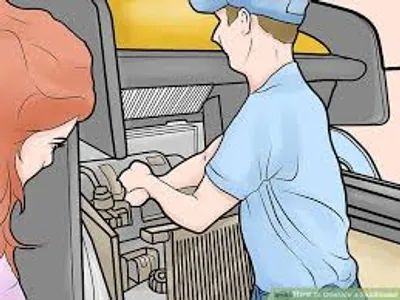
verb🔗Share조작하다, 운용하다To take up position in order to operate (something)."Man the machine guns!"기관총을 조작하라!militarynauticalmachinetechnologyjobessentialChat with AIVocabulary GamePractice Reading
verb🔗Share용기를 내다, 기운을 북돋우다(possibly obsolete) To brace (oneself), to fortify or steel (oneself) in a manly way. (Compare man up.)"Facing the difficult math test, Sarah maned herself with a deep breath and a positive attitude. "어려운 수학 시험에 직면하여, 사라 는 심호흡과 긍정적인 태도로 용기를 냈다.humanactioncharacterattitudeessentialChat with AIVocabulary GamePractice Reading
verb🔗Share시중들다, 돌보다To wait on, attend to or escort."The teacher will man the front desk during the school assembly. "선생님은 학교 전체 회의 동안 안내 데스크를 시중들 것입니다.servicejobactionhumanpersonworkessentialChat with AIVocabulary GamePractice Reading
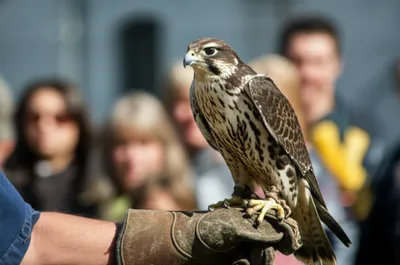
verb🔗Share길들이다To accustom (a raptor or other type of bird) to the presence of people."The falconer is manning the birds to get them used to being around children at the school fair. "매 사육사는 학교 축제에서 아이들 주변에 익숙해지도록 새들을 길들이고 있습니다.animalbirdactionessentialChat with AIVocabulary GamePractice Reading