

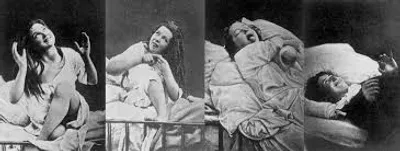



noun🔗Share히스테리A condition where the patient has neurological symptoms such as numbness, blindness, paralysis, or fits, but without any neurological explanation."The doctor diagnosed the student with hysteria, as her sudden paralysis had no apparent medical cause. "의사는 학생의 갑작스러운 마비에 뚜렷한 의학적 원인이 없었기 때문에 히스테리로 진단했습니다.medicineminddiseaseconditionChat with AIVocabulary GamePractice Reading
noun🔗Share히스테리, 광란Behavior exhibiting excessive or uncontrollable emotion, such as fear or panic."The sudden announcement of a school closure caused a wave of hysteria among the parents. "학교 폐쇄에 대한 갑작스러운 발표는 학부모들 사이에 히스테리 파동을 일으켰다.emotionmindmedicineChat with AIVocabulary GamePractice Reading
noun🔗Share히스테리A mental disorder characterized by emotional excitability etc. without an organic cause."The student's sudden outburst of fear and trembling, without any apparent physical reason, was a display of hysteria. "아무런 신체적 이유 없이 학생이 갑자기 공포와 떨림을 보인 것은 히스테리의 발현이었다.medicinemindemotionconditionChat with AIVocabulary GamePractice Reading
noun🔗Share히스테리(until early 20th century) Any disorder of women with some psychiatric symptoms without other diagnosis, ascribed to uterine influences on the female body, lack of pregnancy, or lack of sex."In the 19th century, some doctors attributed the student's emotional outbursts to hysteria, believing it was a disorder specific to women. "19세기에는 일부 의사들이 학생의 감정적인 폭발을 히스테리로 돌리며, 그것이 여성에게 특유한 질환이라고 믿었습니다.medicinehistorymindbodysexdiseaseChat with AIVocabulary GamePractice Reading