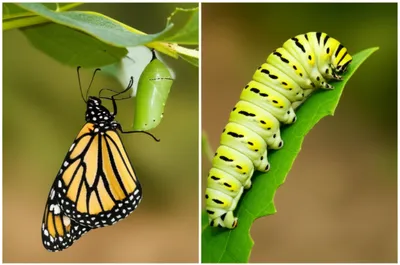
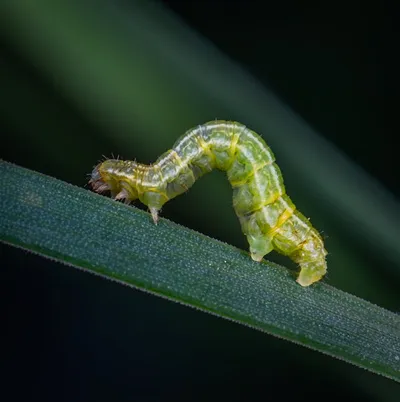
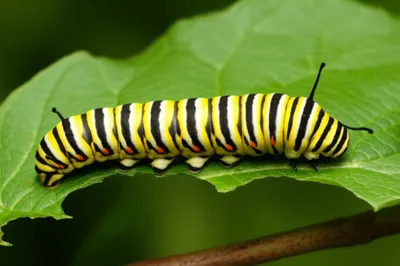
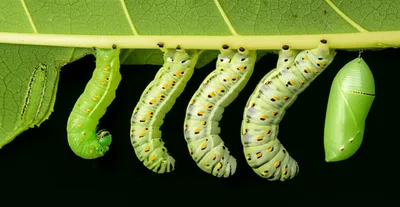
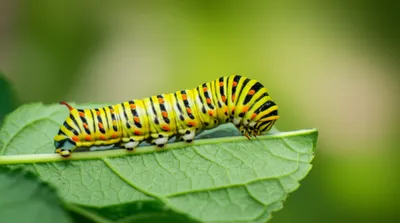
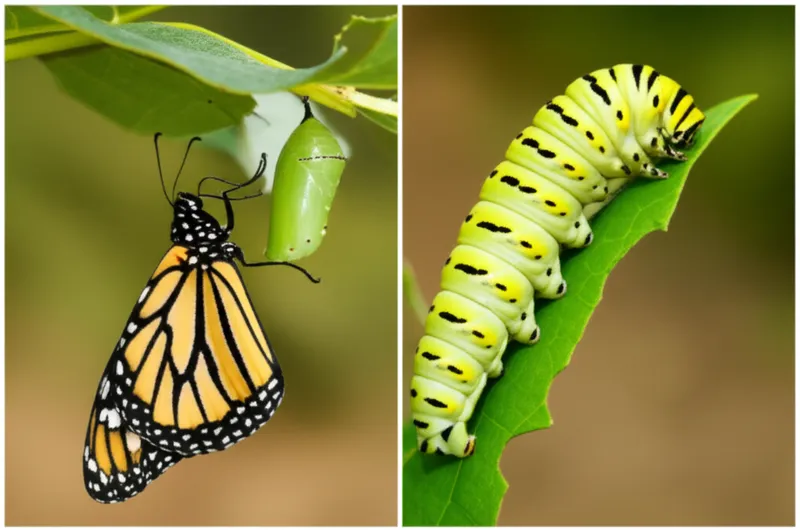
adjective 다운로드 🔗공유 유충의, 애벌레의 Of or relating to a larva or larvae. Examples : "The scientist examined the larval stage of the butterfly, noting its worm-like appearance. " 과학자는 나비의 유충 단계를 조사하여 벌레와 같은 모습을 관찰했다. biology animal insect organism AI와 채팅어휘 게임독해 연습
adjective 다운로드 🔗공유 유충의 Being a larva. Examples : "The tadpole is the larval stage of a frog, quite different in appearance from the adult. " 올챙이는 성체와 외형이 상당히 다른 개구리의 유충 단계입니다. organism animal biology nature insect AI와 채팅어휘 게임독해 연습
adjective 다운로드 🔗공유 유충의, 애벌레의 Characteristic of larvae. Examples : "The tadpole in the aquarium exhibited typical larval behavior, constantly swimming and searching for food. " 수족관의 올챙이는 전형적인 유충의 행동을 보이며 끊임없이 헤엄치고 먹이를 찾았다. animal biology organism nature insect AI와 채팅어휘 게임독해 연습
adjective 다운로드 🔗공유 유충의, 애벌레의 Having the form or shape of a larva. Examples : "The tadpole's early, larval stage is spent entirely in the water before it develops legs. " 올챙이의 초기 유충 단계는 다리를 발달시키기 전에 완전히 물 속에서 보낸다. biology animal insect organism AI와 채팅어휘 게임독해 연습
adjective 다운로드 🔗공유 유충의, 잠재적인 (disease) Undeveloped, latent. Examples : "The doctor suspected a larval infection was causing the patient's persistent fatigue, even though no other symptoms were immediately apparent. " 의사는 다른 증상이 즉시 나타나지 않았음에도 불구하고, 잠재적인 감염이 환자의 지속적인 피로를 유발하고 있다고 의심했다. disease biology AI와 채팅어휘 게임독해 연습