

























noun🔗Share좋아하는 것, 취향(usually in the plural) Something that a person likes (prefers)."Tell me your likes and dislikes."좋아하는 것과 싫어하는 것을 말해줘.sensationemotionattitudevalueessentialChat with AIVocabulary GamePractice Reading
noun🔗Share좋아요An individual vote showing support for, or approval of, something posted on the Internet."My friend posted a photo of her new puppy on social media, and I liked it. "내 친구가 소셜 미디어에 새 강아지 사진을 올렸고, 나는 좋아요를 눌렀다.internetcomputingtechnologymediacommunicationessentialChat with AIVocabulary GamePractice Reading
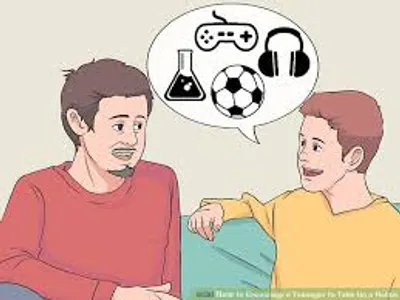
verb🔗Share좋아하다, 마음에 들어 하다To enjoy, be pleased by; favor; be in favor of."I like hamburgers."나는 햄버거를 좋아한다.attitudesensationemotionmindessentialChat with AIVocabulary GamePractice Reading
verb🔗Share좋아하다, 마음에 들다To please."My younger sister likes the new dress I bought her. "내 여동생은 내가 사준 새 드레스를 좋아한다.attitudesensationessentialChat with AIVocabulary GamePractice Reading
verb🔗Share좋아하다, 마음에 들다To derive pleasure of, by or with someone or something."My little brother likes playing with his new toy train set. "내 남동생은 새 장난감 기차 세트로 노는 것을 좋아한다.sensationemotionattitudemindessentialChat with AIVocabulary GamePractice Reading
verb🔗Share좋아하다, 즐겨하다To prefer and maintain (an action) as a regular habit or activity."I like to go to the dentist every six months."나는 6개월마다 치과에 가는 것을 좋아한다.attitudeactiontendencyessentialChat with AIVocabulary GamePractice Reading
verb🔗Share보이다, ~처럼 보이다To have an appearance or expression; to look; to seem to be (in a specified condition)."The student's face looked like it was about to cry during the exam. "시험 중에 학생의 얼굴은 울 것 같은 표정이었다.appearanceconditionessentialChat with AIVocabulary GamePractice Reading
verb🔗Share가까이 오다, 간신히 피하다To come near; to avoid with difficulty; to escape narrowly."He liked to have been too late."그는 거의 늦을 뻔했다.actionsituationessentialChat with AIVocabulary GamePractice Reading
verb🔗Share좋아하다, 마음에 들어하다To find attractive; to prefer the company of; to have mild romantic feelings for."My younger sister really likes our new neighbor; she often plays with him after school. "내 여동생은 우리 새 이웃을 정말 좋아해요. 그녀는 학교 후에 종종 그와 함께 놀아요.emotionhumanattitudeessentialChat with AIVocabulary GamePractice Reading
verb🔗Share비유하다, 좋아하다To liken; to compare."My sister likes her new job to a challenging puzzle; it requires lots of different skills. "내 여동생은 새로운 직업을 어려운 퍼즐에 비유합니다. 그것은 많은 다양한 기술을 필요로 합니다.languagewordessentialChat with AIVocabulary GamePractice Reading
verb🔗Share좋아요를 누르다To show support for, or approval of, something posted on the Internet by marking it with a vote."I liked the post about the new school rules on the student forum. "나는 학생 게시판에 올라온 새로운 학교 규칙에 대한 게시물에 좋아요를 눌렀다.internetcomputingcommunicationmediatechnologyessentialChat with AIVocabulary GamePractice Reading
verb🔗Share원하다, 바라다(with 'would' and in certain other phrases) To want, desire. See also would like."We could go to the museum if you like."원하시면 박물관에 갈 수 있어요.languagewordessentialChat with AIVocabulary GamePractice Reading
noun🔗Share유사한 사람, 종류(sometimes as the likes of') Someone similar to a given person, or something similar to a given object; a comparative; a type; a sort."It was something the likes of which I had never seen before."그것은 내가 전에 본 적이 없는 종류의 것이었다.typethingessentialChat with AIVocabulary GamePractice Reading
noun🔗Share동점The stroke that equalizes the number of strokes played by the opposing player or side."to play the like"동점을 플레이하다sportessentialChat with AIVocabulary GamePractice Reading
adjective🔗Share비슷한, 같은Similar."My partner and I have like minds."나와 내 파트너는 비슷한 생각을 가지고 있다.appearancequalityessentialChat with AIVocabulary GamePractice Reading
adjective🔗Share가능한, ~할 것 같은Likely; probable."It is likely that the school will be closed tomorrow due to the heavy snow. "폭설로 인해 내일 학교가 문을 닫을 가능성이 높습니다.possibilityessentialChat with AIVocabulary GamePractice Reading
adverb🔗Share아마도Likely."It is likely to rain tomorrow, so I will bring my umbrella. "아마 내일 비가 올 것 같아서 우산을 가져갈 거예요.possibilityessentialChat with AIVocabulary GamePractice Reading
adverb🔗Share처럼, 같이In a like or similar manner."The children played like their parents, happily chasing each other around the park. "아이들은 부모님처럼 공원에서 서로를 즐겁게 쫓아다니며 놀았습니다.waylanguageessentialChat with AIVocabulary GamePractice Reading
preposition🔗Share처럼, 같은Similar to, reminiscent of."My sister's handwriting is like my mother's – very small and neat. "내 여동생의 필체는 어머니의 필체처럼 매우 작고 깔끔하다.languageessentialChat with AIVocabulary GamePractice Reading
preposition🔗Share처럼, 같은Typical of"It would be just like Achilles to be sulking in his tent."아킬레스가 그의 텐트에서 삐져 있는 것은 그럴 법하다.typeessentialChat with AIVocabulary GamePractice Reading
preposition🔗Share처럼, 같이Approximating"Popcorn costs something like $10 dollars at the movies."팝콘은 영화관에서 10달러 정도 합니다.languagegrammaressentialChat with AIVocabulary GamePractice Reading
preposition🔗Share처럼, 같이In the manner of, similarly to."My sister, like me, enjoys reading historical fiction. "내 여동생은 나처럼 역사 소설 읽는 것을 좋아한다.languagegrammaressentialChat with AIVocabulary GamePractice Reading
preposition🔗Share같은, ~처럼Such as"My favorite foods at school are things like pizza, pasta, and sandwiches. "학교에서 제가 가장 좋아하는 음식은 피자, 파스타, 샌드위치와 같은 것들입니다.languagegrammaressentialChat with AIVocabulary GamePractice Reading
preposition🔗Share처럼As if there would be."It looks like a hot summer in Europe."유럽은 더운 여름처럼 보인다.languagegrammaressentialChat with AIVocabulary GamePractice Reading
conjunction🔗Share처럼, 같이As, the way."My sister likes to bake cookies, like her mother does. "내 여동생은 엄마처럼 쿠키 굽는 것을 좋아한다.waylanguageessentialChat with AIVocabulary GamePractice Reading
conjunction🔗Share마치, ~처럼As if; as though."My cat slept all day like a log, completely still and silent. "내 고양이는 통나무처럼 하루 종일 잠을 잤고, 완전히 움직임 없이 조용했다.grammarlanguageessentialChat with AIVocabulary GamePractice Reading
interjection🔗Share음, 그러니까Used to place emphasis upon a statement."Divint ye knaa, like?"알잖아, 음?languagelinguisticsessentialChat with AIVocabulary GamePractice Reading
verb🔗Share좋아하다, ~할 것 같다To be likely."It looks like it will rain later, so we should bring an umbrella. "나중에 비가 올 것 같으니 우산을 가져가야 해요.possibilitytendencyessentialChat with AIVocabulary GamePractice Reading