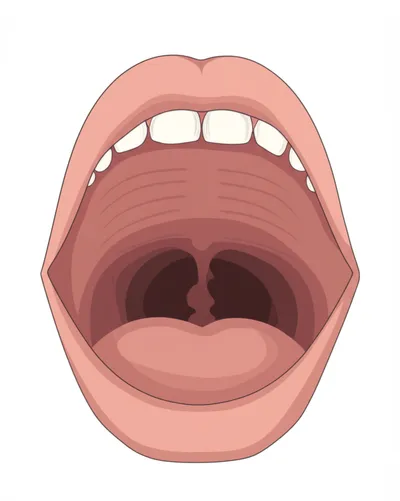
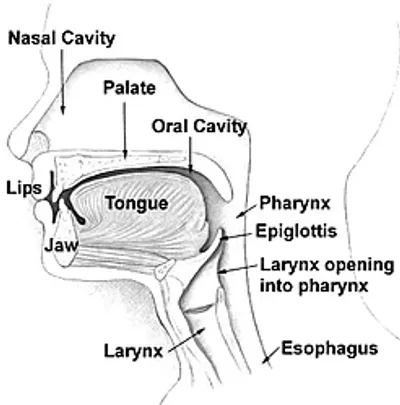
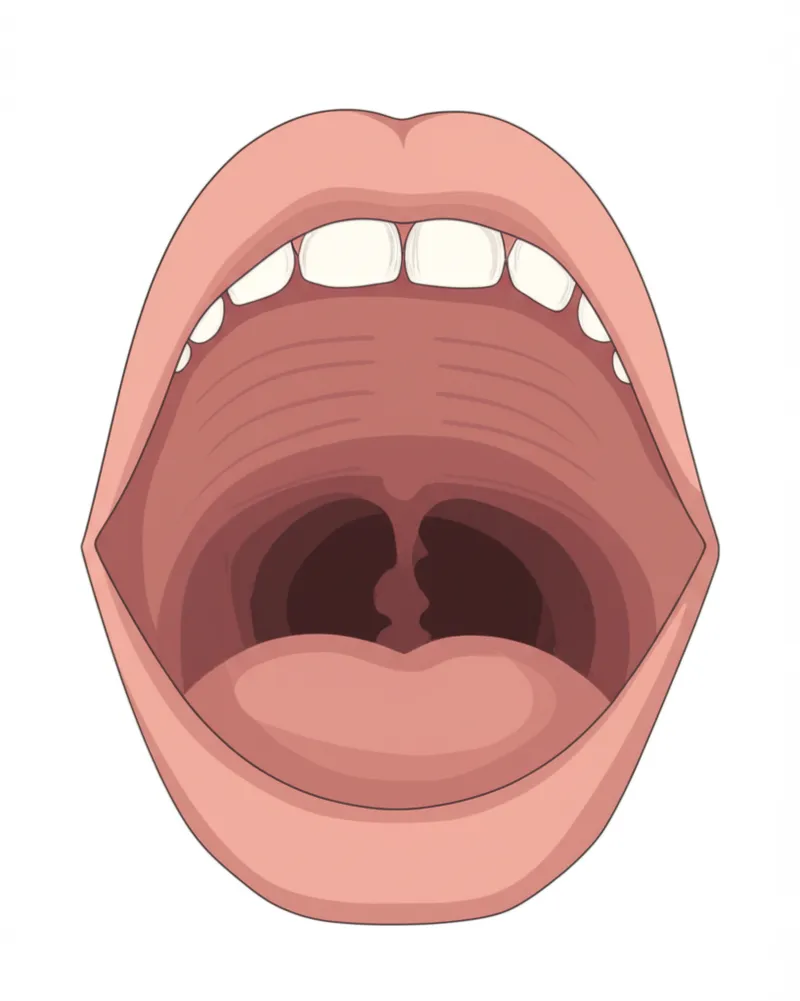
noun 다운로드 🔗공유 입천장 The roof of the mouth; the uraniscus. Examples : "The doctor examined the patient's palate to check for any abnormalities. " 의사는 이상 여부를 확인하기 위해 환자의 입천장을 검사했다. anatomy organ body physiology medicine AI와 채팅어휘 게임독해 연습
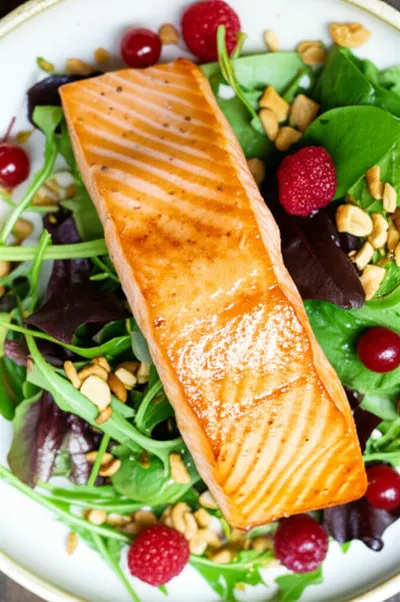
noun 다운로드 🔗공유 미각, 구개 The sense of taste. Examples : "My palate prefers the sweet taste of strawberries to the sour taste of lemons. " 내 미각은 레몬의 신맛보다 딸기의 단맛을 선호한다. physiology sensation food organ body AI와 채팅어휘 게임독해 연습
noun 다운로드 🔗공유 취향, 기호, 맛 Relish; taste; liking (from the mistaken notion that the palate is the organ of taste) Examples : "My palate prefers spicy food to mild food. " 나는 매운 음식을 순한 음식보다 더 좋아한다. sensation mind food AI와 채팅어휘 게임독해 연습
noun 다운로드 🔗공유 취향, 기호 Mental relish; intellectual taste. Examples : "Her palate for abstract art was evident in her choice of paintings for the school exhibition. " 추상 미술에 대한 그녀의 취향은 학교 전시회를 위한 그림 선택에서 분명히 드러났다. mind philosophy AI와 채팅어휘 게임독해 연습
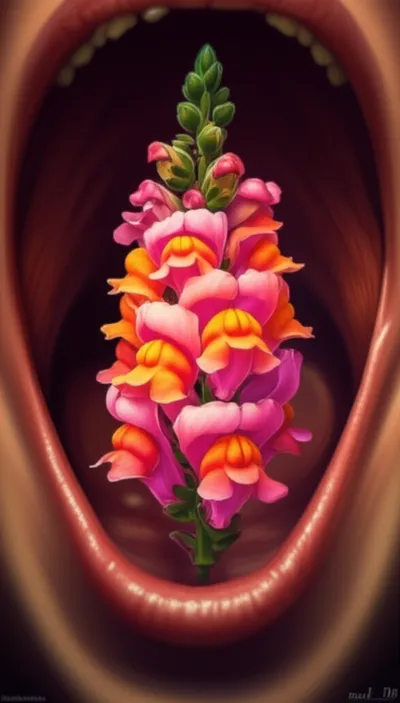
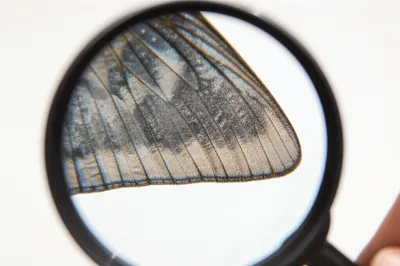
noun 다운로드 🔗공유 구개, 목구멍 A projection in the throat of such flowers as the snapdragon. Examples : "The snapdragon's delicate palate adds a touch of beauty to the flower arrangement. " 금어초의 섬세한 구개는 꽃꽂이에 아름다움을 더한다. plant part nature biology AI와 채팅어휘 게임독해 연습
verb 다운로드 🔗공유 맛보다, 즐기다 To relish; to find palatable. Examples : "She doesn't usually like spicy food, but she surprisingly palated the chili at the restaurant. " 그녀는 보통 매운 음식을 좋아하지 않지만, 놀랍게도 식당에서 칠리를 맛있게 먹었습니다. food sensation AI와 채팅어휘 게임독해 연습