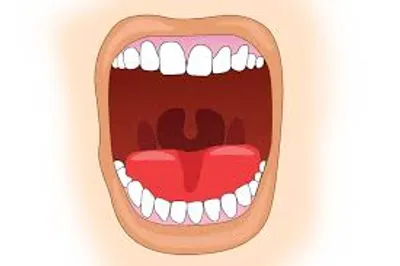
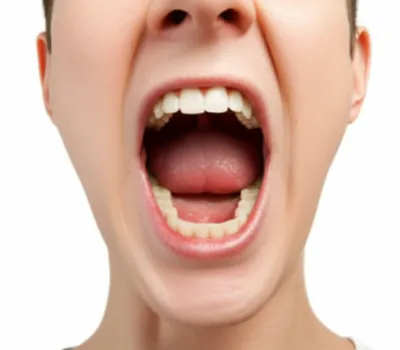
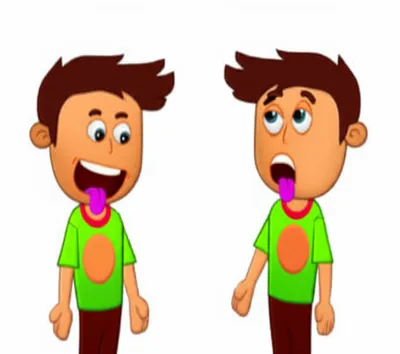
noun 다운로드 🔗공유 입 The opening of a creature through which food is ingested. Examples : "The baby opened its mouth to receive the milk from its mother. " 아기는 엄마에게서 우유를 받기 위해 입을 벌렸다. organ anatomy body physiology animal human essential AI와 채팅어휘 게임독해 연습
noun 다운로드 🔗공유 하구 The end of a river out of which water flows into a sea or other large body of water. Examples : "The mouth of the river is a good place to go birdwatching in spring and autumn." 강 하구는 봄과 가을에 조류 관찰을 하기에 좋은 장소입니다. geography environment essential AI와 채팅어휘 게임독해 연습
noun 다운로드 🔗공유 입구, 구멍 An outlet, aperture or orifice. Examples : "The mouth of a cave" 동굴 입구. organ part body essential AI와 채팅어휘 게임독해 연습
noun 다운로드 🔗공유 수다쟁이, 입이 험한 사람 A loud or overly talkative person. Examples : "My kid sister is a real mouth; she never shuts up." 내 여동생은 정말 수다쟁이야; 그녀는 절대 입을 다물지 않아. person character communication essential AI와 채팅어휘 게임독해 연습
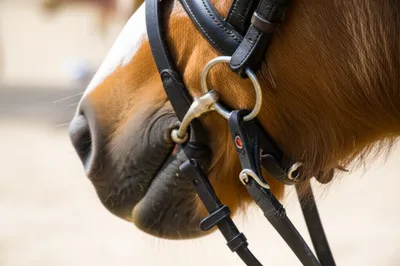
noun 다운로드 🔗공유 재갈 (saddlery) The crosspiece of a bridle bit, which enters the mouth of an animal. Examples : "The horse trainer carefully adjusted the mouth of the bridle, ensuring it fit comfortably in the horse's mouth. " 말 조련사는 굴레의 재갈을 조심스럽게 조절하여 말이 편안하게 입에 맞도록 했습니다. animal part utensil agriculture essential AI와 채팅어휘 게임독해 연습
noun 다운로드 🔗공유 대변인, 입 A principal speaker; one who utters the common opinion; a mouthpiece. Examples : "The class's mouth spoke in favor of a longer recess. " 반의 대변인이 더 긴 휴식 시간을 지지하며 말했습니다. communication person essential AI와 채팅어휘 게임독해 연습
noun 다운로드 🔗공유 울음, 목소리 Cry; voice. Examples : "My child's mouth was filled with a loud cry as he fell and scraped his knee. " 아이가 넘어지면서 무릎을 다치자 아이의 울음소리가 크게 터져 나왔다. communication sound language essential AI와 채팅어휘 게임독해 연습
noun 다운로드 🔗공유 말, 언어, 증언 Speech; language; testimony. Examples : "My sister's mouth was full of complaints about the noisy neighbours. " 내 여동생의 말은 시끄러운 이웃들에 대한 불평으로 가득했다. language communication body part essential AI와 채팅어휘 게임독해 연습
noun 다운로드 🔗공유 찡그린 얼굴, 찌푸림 A wry face; a grimace; a mow. Examples : "Seeing the bad grade on his report card, he made a mouth of disappointment. " 그는 성적표의 나쁜 점수를 보고 실망한 표정을 지었다. appearance body human essential AI와 채팅어휘 게임독해 연습
verb 다운로드 🔗공유 말하다, 입을 열다 To speak; to utter. Examples : "He mouthed his opinions on the subject at the meeting." 그는 회의에서 그 문제에 대한 자신의 의견을 말했다. language communication essential AI와 채팅어휘 게임독해 연습
verb 다운로드 🔗공유 입 모양을 하다 To make the actions of speech, without producing sound. Examples : "The prompter mouthed the words to the actor, who had forgotten them." 안내원은 잊어버린 배우에게 입 모양으로 단어를 말했다. body action communication language sound essential AI와 채팅어휘 게임독해 연습
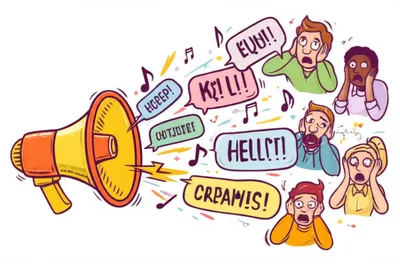
verb 다운로드 🔗공유 큰 소리로 말하다, 떠벌리다 To utter with a voice that is overly loud or swelling. Examples : "The student mouthed the answer loudly, almost shouting. " 그 학생은 거의 소리치며 정답을 큰 소리로 말했다. communication language sound essential AI와 채팅어휘 게임독해 연습
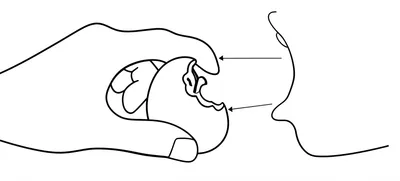
verb 다운로드 🔗공유 입으로 물다, 입에 대다 To pick up or handle with the lips or mouth, but not chew or swallow. Examples : "The child mouthed the cookie, feeling its texture but not eating it. " 아이는 쿠키를 입에 물고 질감을 느꼈지만 먹지는 않았다. physiology organ body action animal human essential AI와 채팅어휘 게임독해 연습
verb 다운로드 🔗공유 입에 넣다, 씹다, 삼키다 To take into the mouth; to seize or grind with the mouth or teeth; to chew; to devour. Examples : "The baby eagerly mouthed the colorful, soft teething toy. " 아기는 다채롭고 부드러운 치발 장난감을 열렬히 입에 넣었다. body physiology organ anatomy food action essential AI와 채팅어휘 게임독해 연습
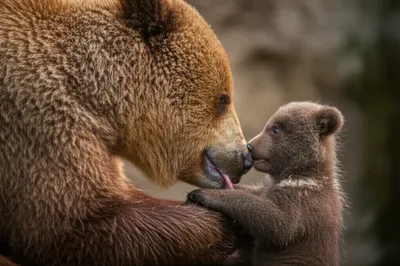
verb 다운로드 🔗공유 입으로 형성하거나 깨끗하게 하다; 핥다 To form or cleanse with the mouth; to lick, as a bear licks her cub. Examples : "The mother bear mouthed her cubs gently, licking their fur to keep them warm. " 어미 곰은 새끼의 털을 핥아 따뜻하게 해 주기 위해 부드럽게 입으로 핥았다. body animal action physiology essential AI와 채팅어휘 게임독해 연습
verb 다운로드 🔗공유 놀리다, 비웃다 To make mouths at. Examples : "The children were mouthing at the teacher after she told them off for being noisy. " 아이들은 선생님이 시끄럽다고 혼낸 후에 선생님을 비웃었다. body action appearance communication essential AI와 채팅어휘 게임독해 연습