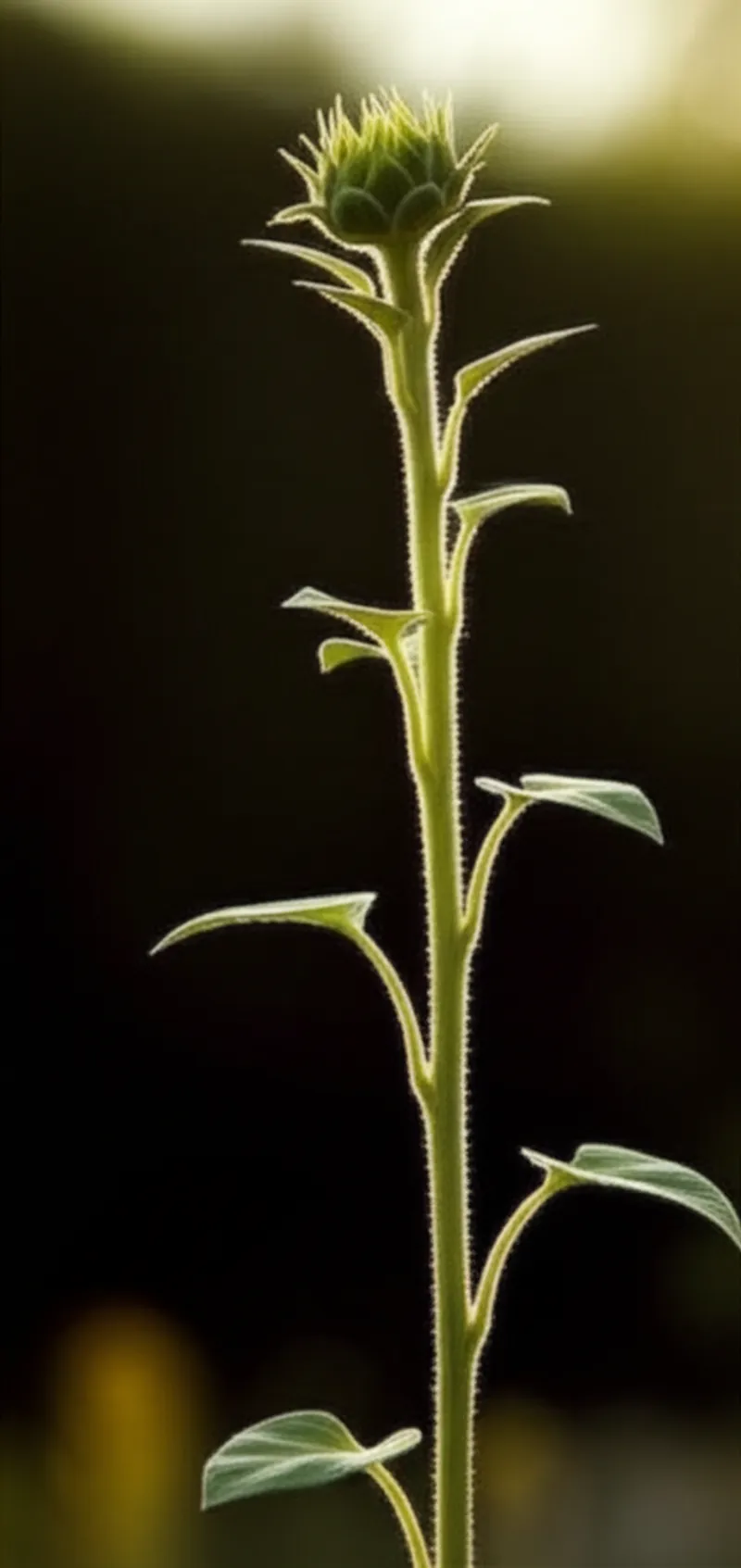

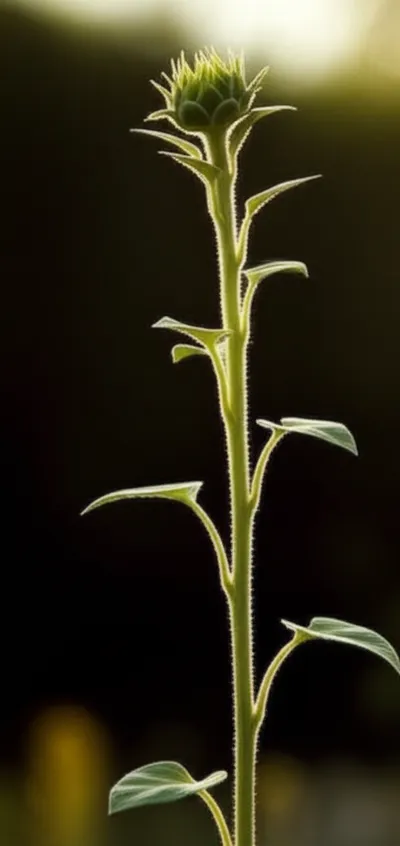







noun🔗Share줄기The stalk or stem of a plant."The sunflower's spire reached up towards the bright afternoon sun. "해바라기의 줄기는 밝은 오후의 태양을 향해 뻗어 있었다.plantpartbiologyChat with AIVocabulary GamePractice Reading
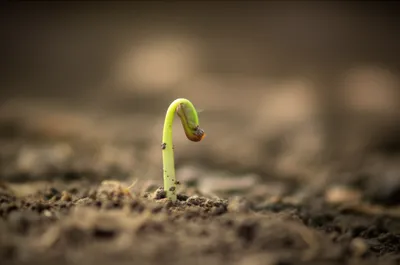
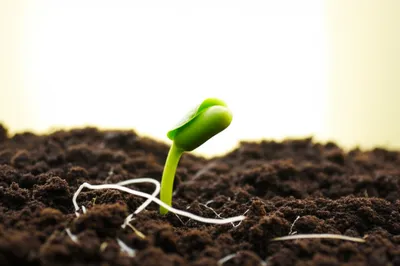
noun🔗Share싹, 싹틔우는 것; 창A young shoot of a plant; a spear."The young plant's spire poked through the cracked pavement. "어린 식물의 싹이 갈라진 포장도로를 뚫고 나왔다.plantagricultureChat with AIVocabulary GamePractice Reading
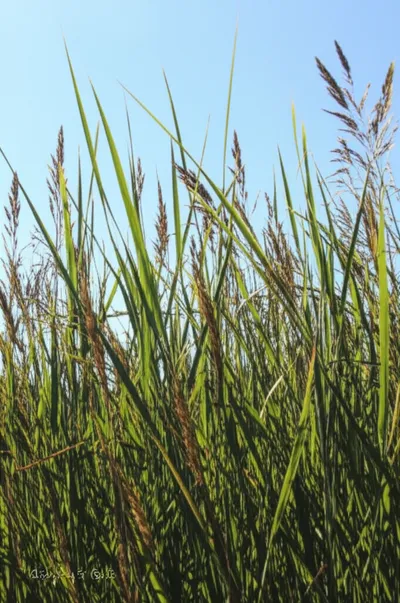
noun🔗Share첨탑, 뾰족탑Any of various tall grasses, rushes, or sedges, such as the marram, the reed canary-grass, etc."The farmer used the tall spires of marram grass to create a natural windbreak. "농부는 자연적인 방풍림을 만들기 위해 사초의 높은 첨탑을 사용했다.plantnaturebiologyenvironmentagricultureChat with AIVocabulary GamePractice Reading
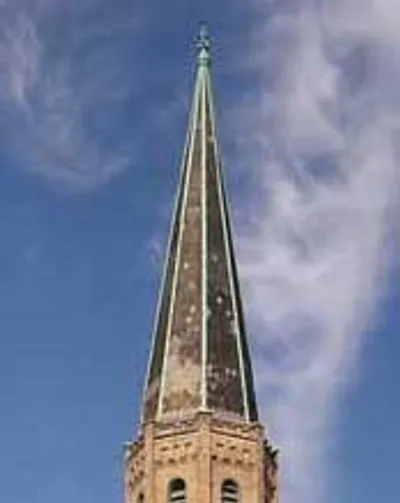
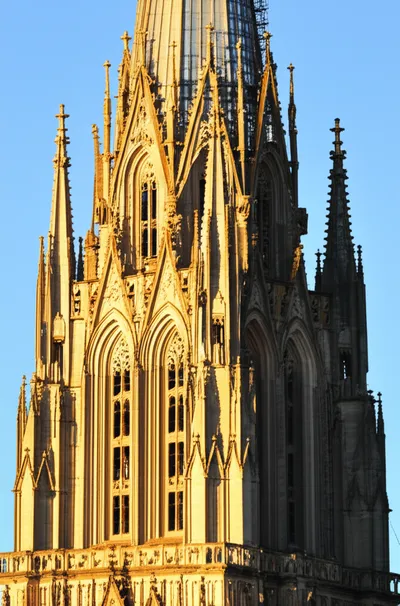
noun🔗Share첨탑, 뾰족한 부분A sharp or tapering point."The church spire pointed sharply towards the sky. "교회 첨탑은 하늘을 향해 날카롭게 솟아 있었다.architecturepointbuildingChat with AIVocabulary GamePractice Reading
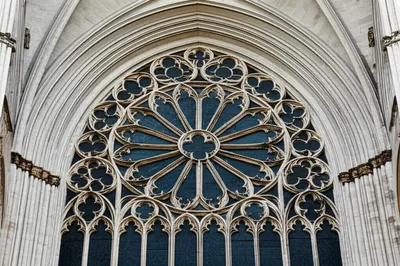
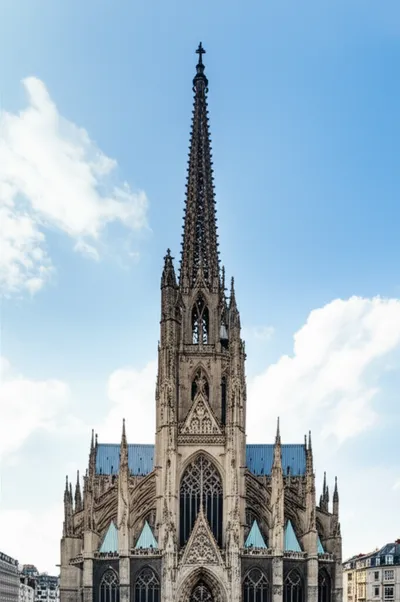
noun🔗Share첨탑, 뾰족탑A tapering structure built on a roof or tower, especially as one of the central architectural features of a church or cathedral roof."The spire of the church rose high above the town."교회의 첨탑이 마을 위로 높이 솟아 있었다.architecturebuildingreligionChat with AIVocabulary GamePractice Reading
noun🔗Share첨탑, 꼭대기The top, or uppermost point, of anything; the summit."The spire of the school's new building was visible from miles away. "학교 새 건물의 첨탑은 수 마일 밖에서도 보였다.architecturepartbuildingChat with AIVocabulary GamePractice Reading
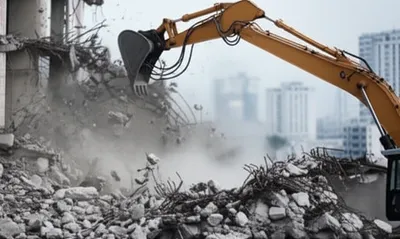
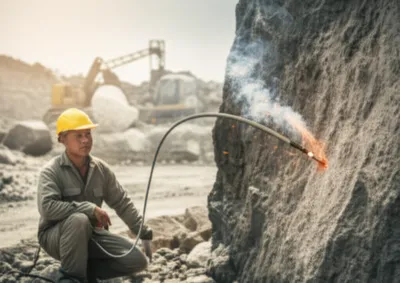
noun🔗Share도화선, 뇌관A tube or fuse for communicating fire to the charge in blasting."The demolition crew carefully placed the spire into the dynamite before triggering the controlled explosion to remove the old building. "해체반은 오래된 건물을 제거하기 위해 통제된 폭발을 일으키기 전에 다이너마이트에 도화선을 조심스럽게 넣었습니다.technicalmilitaryChat with AIVocabulary GamePractice Reading
verb🔗Share싹이 트다, 발아하다(of a seed, plant etc.) to sprout, to send forth the early shoots of growth; to germinate."The tiny seed spired quickly after being planted in the garden soil. "작은 씨앗은 정원 흙에 심어진 후 빠르게 싹이 텄다.plantagriculturebiologyseedprocessChat with AIVocabulary GamePractice Reading
verb🔗Share솟아오르다To grow upwards rather than develop horizontally."The young plant spired quickly, reaching for the sunlight. "어린 식물은 햇빛을 향해 빠르게 솟아올랐다.natureplantarchitectureChat with AIVocabulary GamePractice Reading
verb🔗Share첨탑을 세우다To furnish with a spire."The architect designed the new school building to spire the main hall with a tall, pointed roof. "건축가는 새 학교 건물을 설계하여 주요 홀에 높고 뾰족한 지붕을 세웠다.architectureChat with AIVocabulary GamePractice Reading
verb🔗Share숨쉬다To breathe."The exhausted marathon runner could only spire shallowly after crossing the finish line. "지친 마라톤 선수는 결승선을 통과한 후 얕게 숨을 쉴 수밖에 없었다.physiologybodyChat with AIVocabulary GamePractice Reading
noun🔗Share나선형, 고리One of the sinuous foldings of a serpent or other reptile; a coil."The snake's movements were slow and deliberate, each spire carefully placed as it slithered across the lawn. "뱀의 움직임은 느리고 신중했으며, 잔디밭을 미끄러지듯 움직일 때마다 각 나선형이 조심스럽게 놓였다.animalbodyChat with AIVocabulary GamePractice Reading
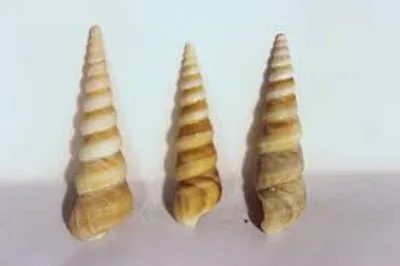
noun🔗Share나선, 소용돌이A spiral."The staircase had a beautiful spire, winding upward to the second floor. "계단은 아름다운 나선형을 가지고 있었고, 2층으로 굽이쳐 올라갔다.architectureappearancebuildingChat with AIVocabulary GamePractice Reading
noun🔗Share나선, 회전The part of a spiral generated in one revolution of the straight line about the pole."The chalk dust spiraled upwards, with a tiny spire forming as the air currents finally dissipated it. "분필 가루가 위로 나선형으로 올라가며, 기류가 마침내 그것을 흩뜨리자 작은 회전이 형성되었다.mathpartfigureChat with AIVocabulary GamePractice Reading