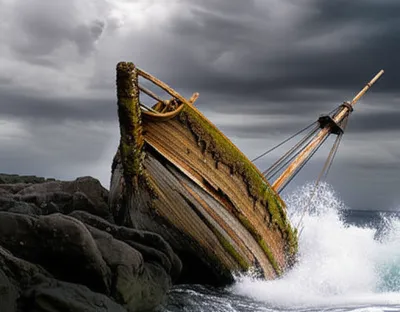
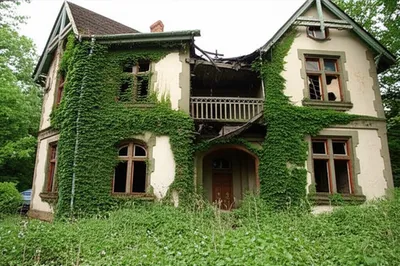
noun 다운로드 🔗공유 난파, 잔해 Something or someone that has been ruined. Examples : "He was an emotional wreck after the death of his wife." 그는 아내의 죽음 이후 감정적인 잔해가 되었다. disaster condition negative AI와 채팅어휘 게임독해 연습
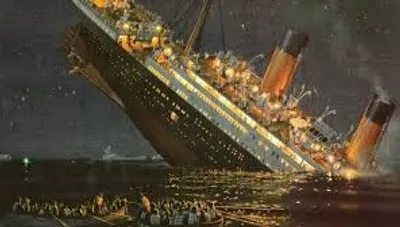
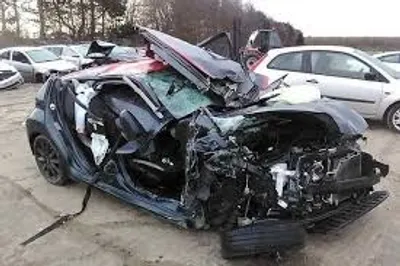
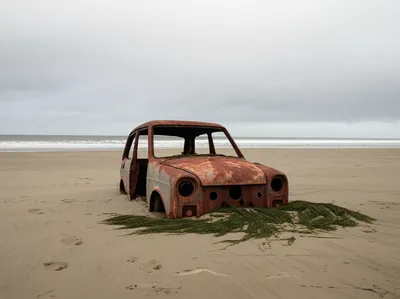
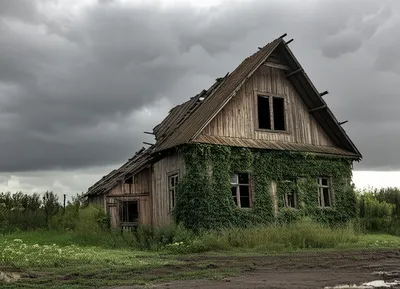
noun 다운로드 🔗공유 잔해, 난파선 The remains of something that has been severely damaged or worn down. Examples : "The old car was a wreck, barely holding together. " 낡은 차는 간신히 붙어 있는 잔해였다. disaster nautical vehicle AI와 채팅어휘 게임독해 연습
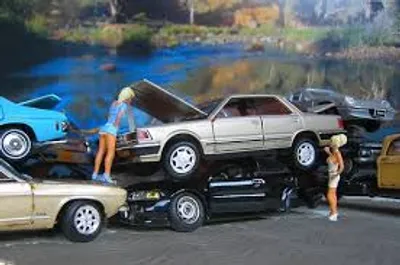
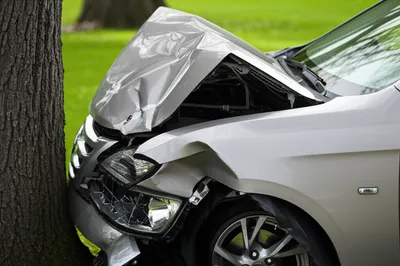
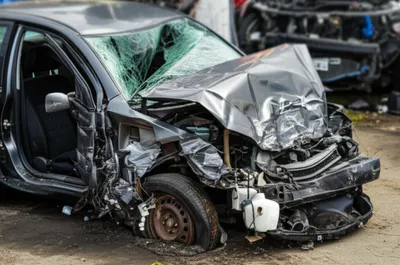
noun 다운로드 🔗공유 난파, 충돌 An event in which something is damaged through collision. Examples : "The car crash was a terrible wreck. " 그 자동차 충돌은 끔찍한 충돌 사고였다. disaster vehicle event nautical AI와 채팅어휘 게임독해 연습
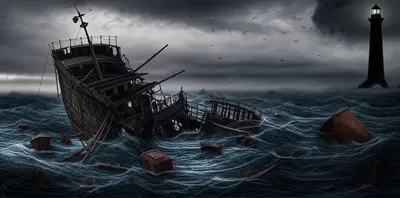
noun 다운로드 🔗공유 난파선 잔해, 표류물 Goods, etc. cast ashore by the sea after a shipwreck. Examples : "After the storm, the villagers searched the beach for wreck from the sunken ship, hoping to salvage some usable items. " 폭풍우 후, 마을 사람들은 사용할 수 있는 물건을 건져내기 위해 침몰한 배의 난파선 잔해를 찾아 해변을 수색했다. nautical disaster property ocean environment AI와 채팅어휘 게임독해 연습
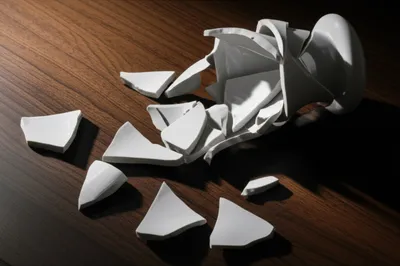
verb 다운로드 🔗공유 파괴하다, 망가뜨리다 To destroy violently; to cause severe damage to something, to a point where it no longer works, or is useless. Examples : "He wrecked the car in a collision." 그는 충돌 사고로 차를 망가뜨렸다. disaster action AI와 채팅어휘 게임독해 연습
verb 다운로드 🔗공유 파괴하다, 망치다 To ruin or dilapidate. Examples : "The storm completely wrecked the school's roof. " 폭풍은 학교 지붕을 완전히 파괴했다. disaster environment nautical vehicle action property AI와 채팅어휘 게임독해 연습
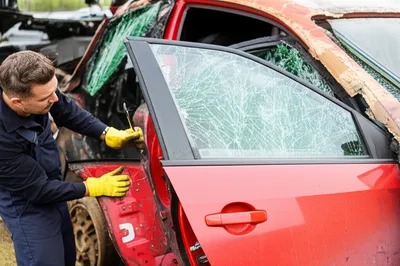
verb 다운로드 🔗공유 해체하다, 분해하다 To dismantle wrecked vehicles or other objects, to reclaim any useful parts. Examples : "The junkyard workers wreck old cars to get parts they can sell. " 고물상 직원들은 팔 수 있는 부품을 얻기 위해 낡은 차를 해체합니다. vehicle industry machine technical environment utility material AI와 채팅어휘 게임독해 연습
verb 다운로드 🔗공유 파괴하다, 망치다 To involve in a wreck; hence, to cause to suffer ruin; to balk of success, and bring disaster on. Examples : "The unexpected storm wrecked the school's fundraising efforts. " 예상치 못한 폭풍은 학교의 기금 마련 노력을 망쳤다. disaster suffering action vehicle nautical war AI와 채팅어휘 게임독해 연습