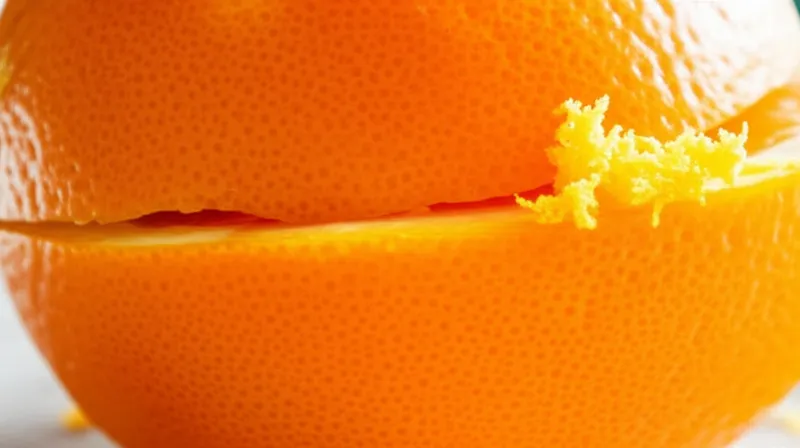

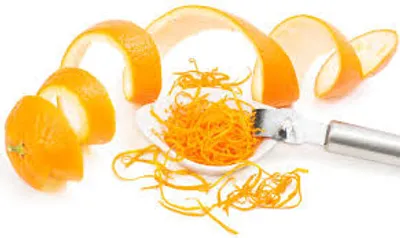


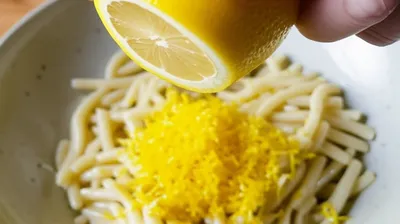
noun🔗Share껍질, 제스트The outer skin of a citrus fruit, used as a flavouring or garnish."The orange zest gives the strong flavor in this dish."오렌지 껍질은 이 요리에 강한 풍미를 더한다.foodfruitChat with AIVocabulary GamePractice Reading
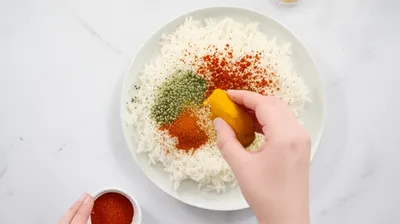
noun🔗Share풍미, 향General vibrance of flavour."I add zest to the meat by rubbing it with a spice mixture before grilling."나는 고기를 굽기 전에 향신료 혼합물로 문질러 풍미를 더한다.foodqualitysensationChat with AIVocabulary GamePractice Reading
noun🔗Share열정, 흥미, 재미(by extension) Enthusiasm; keen enjoyment; relish; gusto."The student approached her math homework with zest, eager to solve the challenging problems. "그 학생은 어려운 문제를 풀고 싶어 수학 숙제에 열정을 가지고 접근했다.attitudecharacteremotionChat with AIVocabulary GamePractice Reading
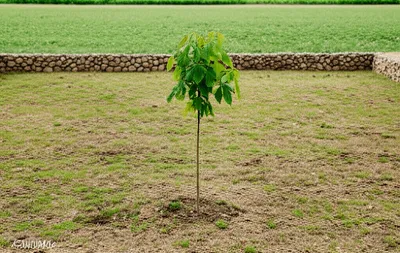
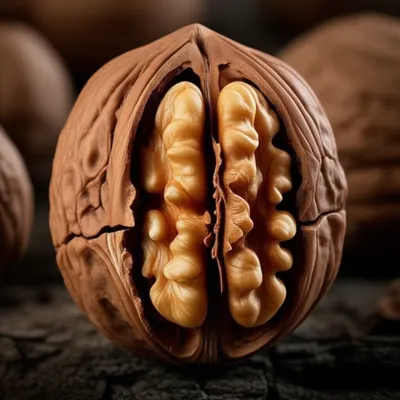
noun🔗Share껍질The woody, thick skin enclosing the kernel of a walnut."The crafter used small pieces of walnut zest to add a natural, brown texture to the wooden box. "장인은 나무 상자에 자연스러운 갈색 질감을 더하기 위해 호두 껍질의 작은 조각을 사용했습니다.plantpartfoodChat with AIVocabulary GamePractice Reading
verb🔗Share껍질을 벗기다To scrape the zest from a fruit."She carefully zested the lemon to add flavor to her cake. "그녀는 케이크에 풍미를 더하기 위해 레몬 껍질을 조심스럽게 벗겼다.foodfruitutensilagricultureChat with AIVocabulary GamePractice Reading
verb🔗Share풍미를 더하다, 생기를 불어넣다To make more zesty."To make the family meal more flavorful, she zestened the lemon. "가족 식사에 풍미를 더하기 위해, 그녀는 레몬에 풍미를 더했다.foodChat with AIVocabulary GamePractice Reading