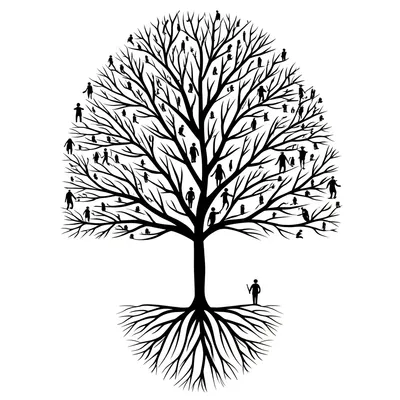


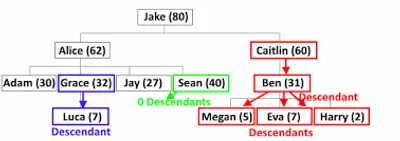

noun🔗ShareПотомокOne who is the progeny of a specified person, at any distance of time or through any number of generations."The patriarch survived many descendants: five children, a dozen grandchildren, even a great grandchild."Патриарх пережил многих потомков: пятерых детей, дюжину внуков и даже правнука.familyhistorypersontoeflChat with AIVocabulary GamePractice Reading
noun🔗ShareПотомокA thing that derives directly from a given precursor or source."This famous medieval manuscript has many descendants."У этой знаменитой средневековой рукописи много потомков.familyhistorytoeflChat with AIVocabulary GamePractice Reading
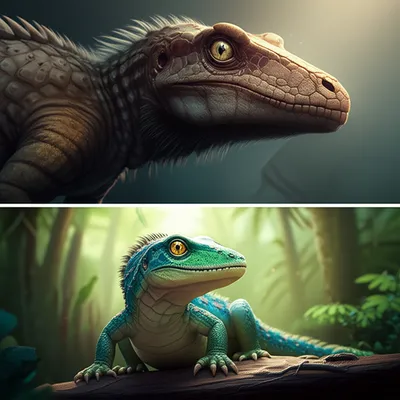
noun🔗ShareПотомокA later evolutionary type."Dogs evolved as descendants of early wolves."Собаки эволюционировали как потомки ранних волков.biologyorganismfamilytoeflChat with AIVocabulary GamePractice Reading
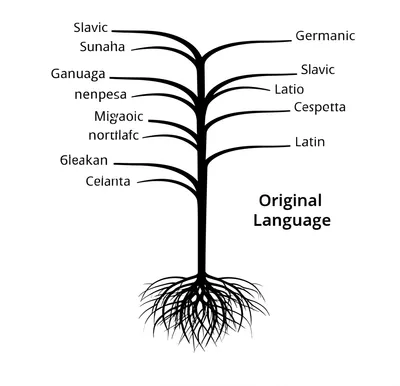
noun🔗ShareПотомокA language that is descended from another."English and Scots are the descendants of Old English."Английский и шотландский языки являются потомками древнеанглийского.languagefamilyhistorylinguisticstoeflChat with AIVocabulary GamePractice Reading
noun🔗ShareПотомокA word or form in one language that is descended from a counterpart in an ancestor language."The English word "father" is a descendant of the Old English word "faeder." "Английское слово «father» является потомком древнеанглийского слова «faeder».languagelinguisticswordhistorytoeflChat with AIVocabulary GamePractice Reading
adjective🔗ShareПроисходящий от, потомокDescending from a biological ancestor."My grandmother is a descendant of a long line of farmers. "Моя бабушка - потомок долгой череды фермеров.familybiologyhumantoeflChat with AIVocabulary GamePractice Reading
adjective🔗ShareПроисходящий от, потомокProceeding from a figurative ancestor or source."The new marketing strategy is a descendant of the old, proven method. "Новая маркетинговая стратегия является производной от старого, проверенного метода.familyhistorytoeflChat with AIVocabulary GamePractice Reading