noun 下载 🔗分享 侮辱,凌辱 Action or form of speech deliberately intended to be rude; a particular act or statement having this effect. Examples : "Calling someone "stupid" is a direct insult. " 说别人“笨”是一种直接的侮辱。 attitude communication language action statement word human society negative 与AI对话词汇游戏阅读练习
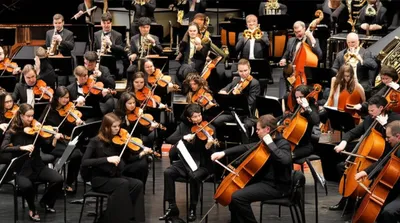
noun 下载 🔗分享 侮辱,污辱,耻辱。 Something that causes offence (for example, by being of an unacceptable quality). Examples : "The way the orchestra performed tonight was an insult to my ears." 今晚乐团的演奏简直是对我耳朵的侮辱。 attitude communication character emotion society human quality 与AI对话词汇游戏阅读练习
noun 下载 🔗分享 损害,损伤 Something causing disease or injury to the body or bodily processes; the injury so caused. Examples : "The food poisoning was a serious insult to his digestive system. " 这次食物中毒对他的消化系统造成了严重的损害。 disease body 与AI对话词汇游戏阅读练习
noun 下载 🔗分享 侮辱,凌辱,欺辱 An assault or attack; (specifically) an assault, attack, or onset carried out without preparation. Examples : "The sudden insult from the bully left Mark feeling humiliated. " 恶霸突如其来的欺辱让马克感到颜面扫地。 action word communication 与AI对话词汇游戏阅读练习
noun 下载 🔗分享 侮辱,凌辱 An act of leaping upon. Examples : "The unexpected insult from her sister made Sarah leap to her feet in anger. " 她妹妹突如其来的凌辱让莎拉怒火中烧,一下子跳了起来。 action 与AI对话词汇游戏阅读练习
verb 下载 🔗分享 侮辱,羞辱,冒犯。 To be insensitive, insolent, or rude to (somebody); to affront or demean (someone). Examples : ""He didn't mean to insult her, but saying her cooking was terrible was definitely rude." " 他不是故意要侮辱她,但说她做的饭很难吃,肯定是很没礼貌的。 attitude communication human emotion moral language action character 与AI对话词汇游戏阅读练习
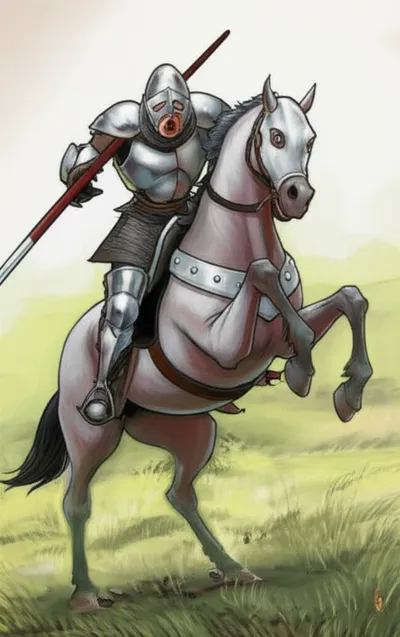
verb 下载 🔗分享 侮辱,凌辱 To assail, assault, or attack; (specifically) to carry out an assault, attack, or onset without preparation. Examples : "The opposing army chose to insult our fortified position with a sudden and unexpected artillery barrage, hoping to break our defenses before we were ready. " 敌军选择突然发起猛烈的炮击,肆意轰击我方坚固的防御工事,企图在我们准备就绪前摧毁我们的防线。 action language communication word 与AI对话词汇游戏阅读练习
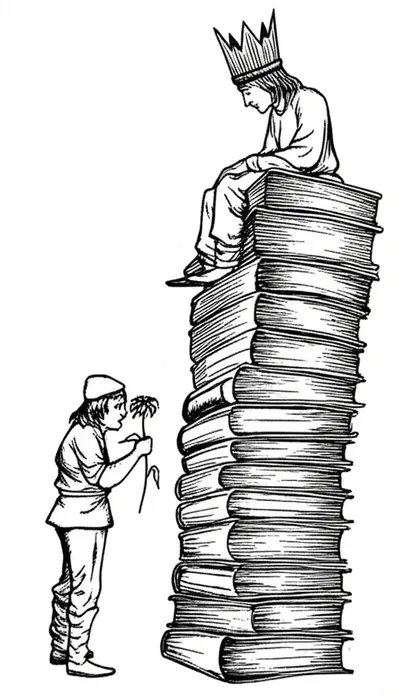
verb 下载 🔗分享 侮辱,凌辱。 To behave in an obnoxious and superior manner (against or over someone). Examples : "The older brother would often insult his younger sister by bragging about his grades and calling her "slow." " 哥哥常常吹嘘自己的成绩,还叫妹妹“笨蛋”,以此凌辱她。 attitude character communication emotion moral human person action 与AI对话词汇游戏阅读练习
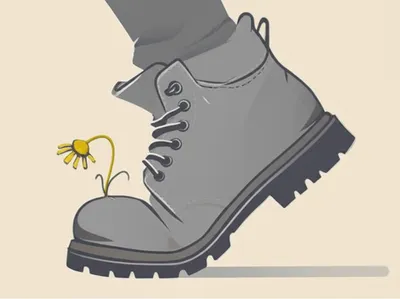
verb 下载 🔗分享 侮辱,凌辱 To leap or trample upon. Examples : "The angry child insulted the fallen leaves, stomping on them with his feet. " 愤怒的孩子凌辱地践踏着落叶,用脚狠狠地踩它们。 action character attitude human 与AI对话词汇游戏阅读练习